As an Amazon Associate, we earn from qualifying purchases. Some links on this site are affiliate links at no extra cost to you. Our recommendations are based on thorough research and editorial judgment.

Why Weather Protection Matters for EV Charging Accessories

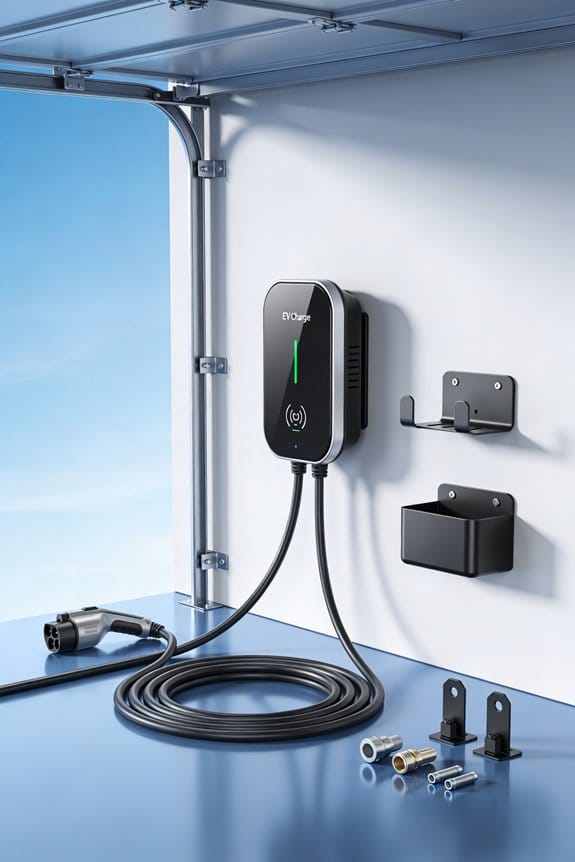
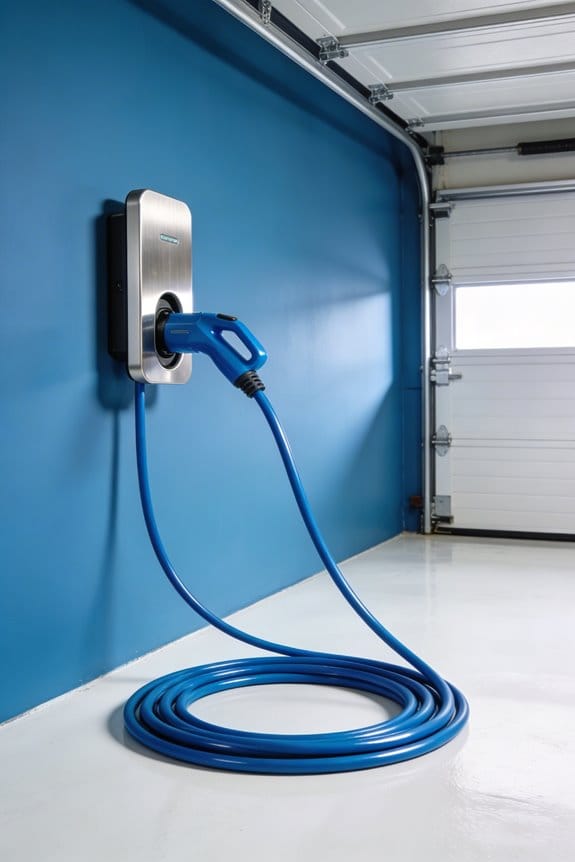
We protect EV charging accessories because moisture creates conductive films that cause voltage leaks and short circuits, and temperature swings can warp seals and crack enclosures. Corrosion from water‑induced chemistry pits contacts, leading to intermittent failures. Proper canopies, waterproof enclosures, and sealed connectors keep out rain, snow, and debris. Surge protectors guard against grid spikes during storms, while redundant units and transfer switches assure service continuity. Sensors and alerts let us spot humidity or temperature trends early, so we can act before faults occur, and the next sections explain how to implement these safeguards.
Key Takeaways
- Moisture creates conductive films on pins, leading to dielectric breakdown, short circuits, and charger failures.
- Corrosive humidity initiates electrochemical reactions, pitting metal contacts and accelerating degradation of connectors.
- Proper enclosures, seals, and drainage prevent water ingress, protecting electronics from rain, snow, and condensation.
- Surge and transient protection combined with moisture monitoring reduces downtime from weather‑induced voltage spikes.
- Predictive maintenance sensors and alerts enable early detection of humidity or temperature issues, extending equipment lifespan.
How Moisture Turns Connectors Into Voltage Hazards for Weather‑Protected EV Chargers
You may be interested


Ever noticed how a splash of rain can turn your EV charger into a flickering nightmare?
When moisture sneaks into a connector, it leaves a thin film that lets electricity jump where it shouldn’t. Those tiny bridges across pins can cause dielectric breakdown, leading to voltage leaks, short circuits, and costly damage.
Frankly, keeping the connector dry is the simplest fix.
Try this: cap the plugs with sealed covers and store the charger in a dry spot when it’s not in use. A quick wipe with a dry cloth before each charge can stop a lot of trouble.
Worth knowing: regular checks catch problems early.
Look for any water droplets or condensation on the pins—if you see them, clean the area right away. A visual inspection every few weeks is a habit that pays off.
If you’re buying new gear, go for weather‑rated hardware.
Check the IP rating on the connector; a higher number means better protection against water and dust. Choose metals that resist corrosion, like stainless steel or tin‑plated contacts, to keep the connection solid over time.
Fair warning: ignoring these steps can leave you with a charger that fails when you need it most.
Do you want to spend a weekend replacing a faulty unit, or would you rather keep it running smoothly with a few easy habits?
Got any other tips for staying dry? Share them below!
How Corrosion Accelerates Failures in Weather‑Protected EV Chargers in Wet Climates
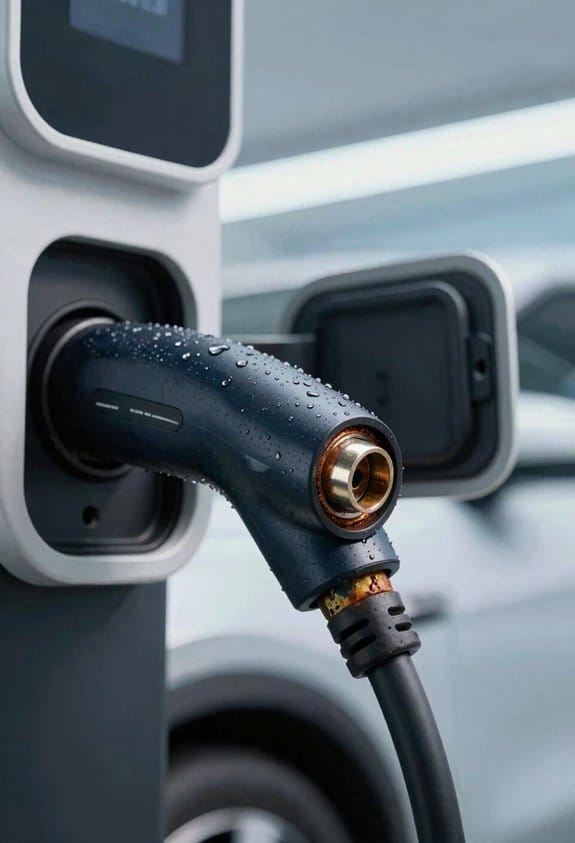
Ever notice how a sudden downpour can turn a perfectly fine EV charger into a dead stop? That soggy feeling you get when you pull the plug isn’t just about water—it’s about corrosion creeping in and taking the metal down from the inside. When moisture slips past the seals, it starts an electrochemical reaction that eats away at the contacts. Tiny pits form, letting even more water in, and before you know it the connectors are weak and short circuits are waiting to happen.
Frankly, the best way to fight this is to keep the metal dry and protected. One simple habit is to check the seals regularly; a cracked gasket is an open invitation for water. Another is to give the exposed metal a good coat of anti‑corrosion paint—think of it as a rain jacket for your charger. And don’t forget to look for pitting at least twice a year; those little holes grow fast and can ruin the whole system.
Worth knowing:
- Use sealed connectors with gaskets.
- Apply anti‑corrosion coating to all exposed metal.
- Inspect for pitting every six months.
- Replace any cracked seals promptly.
These steps keep the metal surface intact and block water entry. By preventing electrochemical reactions, you’ll extend charger life and cut down on unexpected downtime. Follow the checklist and you’ll keep your EV stations reliable even when the sky opens up.
Got any tricks of your own for battling moisture? Share them and let’s keep the chargers humming.
How to Deploy Redundant EVSE for Cold‑Weather Weather‑Protected EV Chargers
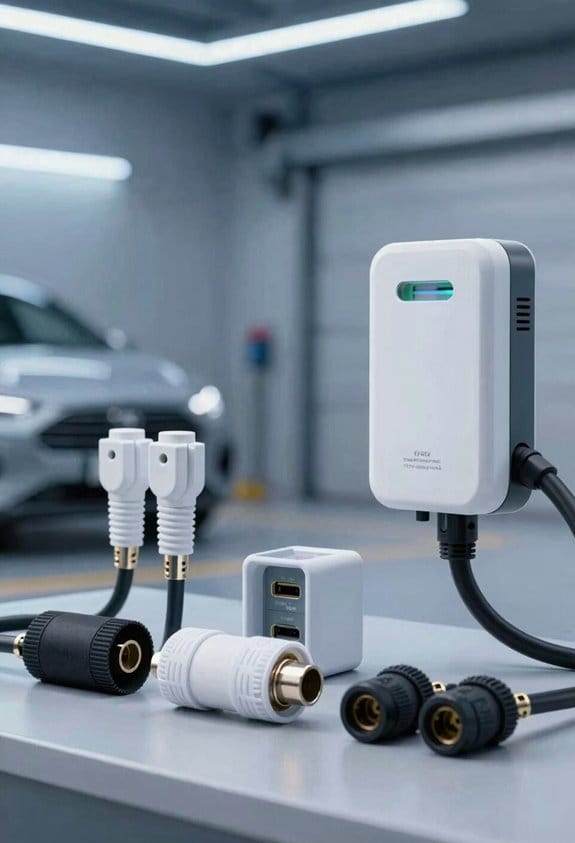
Ever tried to charge your EV on a frosty morning and watched the charger sputter? That’s what happens when the cold hits the main unit. The fix is to have a backup EVSE ready to jump in, so you never lose a charge.
Select matched units – Pick a backup that has the same power rating and weather rating as your primary charger. When they’re a match, the switch‑over is smooth and you won’t have to fiddle with settings.
Install parallel wiring – Hook both chargers up to the same circuit and add an automatic transfer switch. The switch does the heavy lifting, moving power to the backup the moment the main one slows down.
Set seasonal staging** – Program the backup to kick in when the forecast calls for temps below 32 °F** for more than two days. That way you’re not constantly toggling it yourself.
- Test the switch weekly.
- Keep spare cables in a heated enclosure.
- Log activation events for maintenance.
Frankly, this setup keeps your charging spot available, cuts downtime, and hits those cold‑weather reliability targets. Worth knowing: a quick weekly check can catch a failing switch before the next freeze.
Got a plan for your own charger? Let’s hear how you keep power flowing when the thermometer drops.
How to Design Cooling for Hot‑Region Battery Health in Weather‑Protected EV Chargers
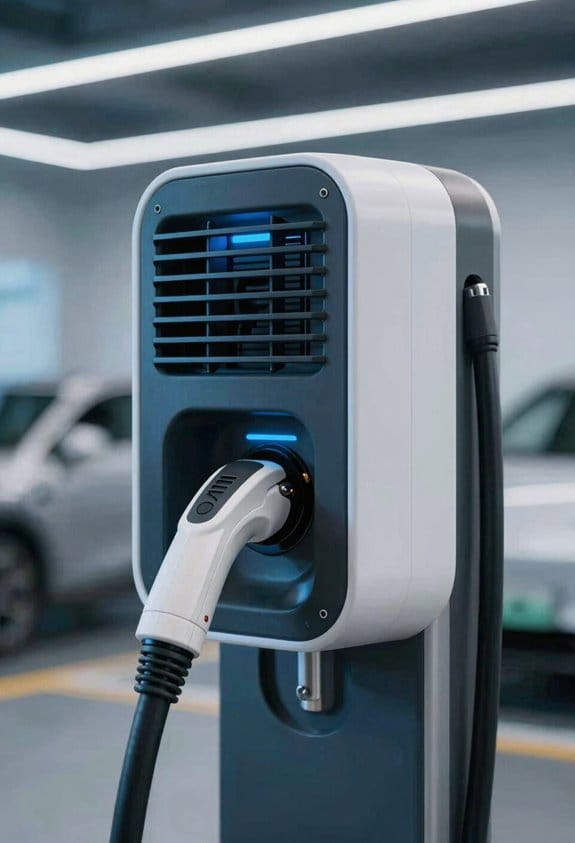
Ever had your EV charger get hot enough to feel like a sauna in the middle of a summer day? When the temperature climbs, the battery can overheat fast, slowing charge speed and cutting down its life. I’ve learned a few tricks that keep the heat in check while the charger stays protected from the weather.
Select heat‑resistant enclosures**** – pick a case that stays stable past 50 °C. Materials like reinforced polycarbonate or metal alloys do the trick and keep the internals safe.
Add passive vents**** – put one vent low and another high on the box. The natural draft pulls cool air in and pushes hot air out without any moving parts.
Install low‑speed fans**** – set them to about 30 % of max. That’s enough to move air, keeps the noise down, and won’t drain the power supply.
Use heat‑sink fins**** – attach them directly to the charger PCB. The extra surface area spreads the heat so the whole board stays cooler.
Monitor temperature – embed a sensor that tells the fan to speed up when it hits 45 °C. A simple control loop can prevent the charger from getting too hot.
- Keep vents clear of dust.
- Seal openings against rain while still letting air flow.
Frankly, these steps keep your battery temperature safe, maintain charge speed, and extend lifespan. Try this: run a quick check every month to clear any debris from the vents and verify the fan’s operation.
Do you think a little extra airflow could make a big difference in your charging routine?
What’s the next thing you’ll tweak to keep your charger cool?
How to Shield Chargers With Canopies and Waterproof Enclosures
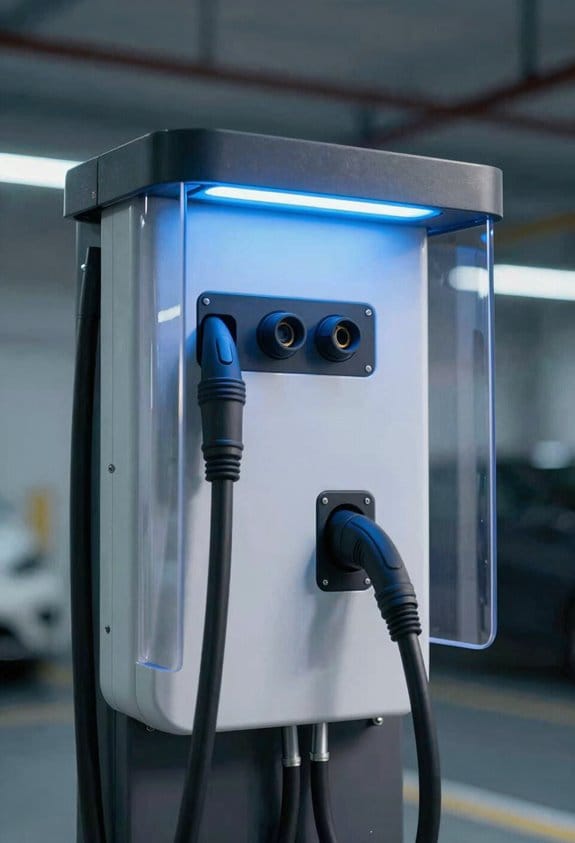
Ever had a charger flicker out right after a rainstorm? It’s frustrating when you’re trying to keep things powered up and the weather decides to intervene. I’ve been there, and a simple canopy plus a waterproof enclosure can make a world of difference.
First off, pick a canopy that feels solid—think a sturdy frame and fabric that actually blocks water. A good fit also has UV‑stable material so it won’t crack under the sun. Position it so it shields the charger from wind‑driven rain; a little angle can keep most of the droplets away.
Next up, the enclosure. Look for a sealed door and quality gaskets that keep moisture out. Make sure the rating matches outdoor standards—nothing less than a proper IP rating will do. Adding integrated drainage channels at the base helps water flow away from connectors instead of pooling.
Here’s the trick:
- Choose a canopy with a solid frame and waterproof fabric.
- Make sure the enclosure has a sealed door and gaskets.
- Install integrated drainage channels at the base.
Solar canopies are a nice bonus. They give shade and can even generate power for the charger itself, cutting down on your electricity bill. Just remember to clear leaves and debris regularly; a clean roof means less chance of water sneaking in.
Fair warning: if you ignore the seals, you’ll see wear and tear faster than you think. Check them every six months and replace any that look cracked or worn. A quick visual inspection can save you a costly replacement down the line.
Regular maintenance is key. Sweep away leaves, clear any blockages in the drainage, and give the fabric a once‑over now and then. These small steps keep the charger dry, reduce corrosion, and extend its service life.
What’s the biggest hassle you’ve faced with outdoor chargers? Let’s swap tips and keep everything humming, rain or shine.
Recommended Products

100% Waterproof & Weatherproof: iCarCover Car Covers are Made from a Premium Material. High-Grade Protection Fabric Repels Moisture While a Soft Anti Scratch Lining Keeps Your Car Looking Polished

Durable Polycarbonate Roof Panel:Our awning features a high-quality polycarbonate (PC) sheet roof, renowned for its exceptional strength and impact resistance. It is highly resistant to cracking, shattering, and extreme weather conditions, offering superior protection compared to traditional glass or acrylic panels. Enjoy lasting durability and peace of mind season after season.

【All-Weather Proof Box】Effectively blocks rain, snow, frost, intense sunlight, and dust, providing year-round protection to extend your charger’s lifespan
Why You Need Surge Protection When the Weather Messes With the Grid?
Why a sudden storm feels like a bad surprise for your EV charger? When the sky darkens and the wind picks up, the power grid can throw out voltage spikes that fry electronics. You don’t want your charging station to be the next casualty.
Install a surge‑protective device (SPD) at the service entrance.
Pick an SPD that matches the local grid’s resilience level.
Hook the SPD up to each charger’s input.
Benefits:
- Transient mitigation stops spikes before they reach the charger.
- Protects wiring and connectors from corrosion‑induced failures.
- Reduces downtime after a storm.
Frankly, a good SPD is like a safety net for your whole charging network. It catches those nasty spikes, keeps the wiring clean, and saves you from costly repairs. Worth knowing: you should check the SPD once a year and swap out any unit that looks worn or corroded. This quick habit keeps everything running smoothly even when the weather throws a curveball at the grid.
Got a storm coming? Make sure your chargers are protected before the first drop hits.
Recommended Products

Introducing the Emporia Pro Level 2 EV Charger

Fast Charging Without Upgrades: Overcome limited electricity service and charge at the maximum speed possible, without upgrading your panel—thanks to Emporia’s PowerSmart technology that works with your existing electrical panel to automatically balance load.

No Adapter Needed: Charge your Tesla or any vehicle requiring the NACS connection. Emporia's new NACS-specific ev charger works just like the Tesla charger, including remotely opening your Tesla charging port door at the press of a button.
How Predictive Maintenance Reduces Weather‑Related Failures
Ever had a storm hit your charging station and wonder why the next day it won’t work? You’re not alone. I’ve learned that keeping an eye on the gear before the weather does its worst can save you a lot of hassle.
Frankly, the trick is to blend a few simple tools with a bit of routine. First, slap sensors onto the connectors, enclosures, and cables. These little devices will keep tabs on temperature, humidity, and any odd voltage spikes. When you pull the data into a central dashboard, you get a clear picture of what’s happening in real time.
Worth knowing: set up alerts for any moisture or temperature trends that look off. A quick ping to your phone can give you enough lead time to act before corrosion or a short circuit takes hold.
- Check sensor reports weekly.
- Clean any condensation or rust promptly.
- Replace parts that show early wear.
When you combine the sensor readings with a solid alert system, you’ll find yourself catching problems early. It feels like you’ve got a safety net that catches the bad stuff before it turns into a costly repair.
So, what’s the next step? Give your chargers a quick once‑over, install those sensors, and let the data do the heavy lifting. You’ll wonder how you ever managed without it.
Ready to keep your chargers humming through any weather?
How Weather‑Protected Chargers Build Driver Trust
Ever tried to charge your EV in a downpour and wondered if the station will actually work? I’ve been there, and the answer is simple: a well‑protected charger makes all the difference. When the sky opens up, you want a place that feels safe and reliable, not a gamble.
First off, think about the little things that keep the rain out. A solid, weather‑proof enclosure is the backbone. Add a rain‑guard or snow shield on top, and you’ve got a barrier that stops water from getting to the plug. Bright, waterproof signs that show the charger’s status help you know at a glance if it’s ready or out of service.
Try this:
- Use weather‑proof enclosures.
- Install rain‑guards and snow shields.
- Add bright, waterproof signage that shows status.
Your community can boost confidence even more. Host a demo in the rain so folks see it in action, hand out flyers that explain the protection features, and place QR codes that link to real‑time status updates. When drivers see a dry, well‑marked station, they feel safe and more likely to return.
Frankly, the real test comes when a storm rolls in. If the charger stays dry and shows a clear “available” sign, you’ll trust it enough to make it part of your routine. Consistent performance and clear communication turn occasional users into regular supporters.
What’s the easiest step you can take today to protect your charger from the elements? Give it a try and watch the confidence grow.
Frequently Asked Questions
What Warranty Coverage Applies to Weather‑Protected Charging Stations?
We offer a manufacturer warranty covering defects and weather‑related damage for three years, and you can add extended coverage for up to seven years, ensuring long‑term protection against moisture, temperature, and surge incidents.
Can I Retrofit Existing Chargers With Surge Protection Devices?
We can retrofit existing chargers, provided they meet installation standards; the retrofit feasibility depends on space, wiring, and ensuring the surge device aligns with manufacturer guidelines to protect against voltage spikes.
How Often Should I Schedule Moisture‑Related Inspections?
We recommend quarterly inspections and seasonal checks, so you’ll catch moisture issues early, keep contacts clean, and prevent corrosion before it compromises your charging accessories.
Do Canopy Materials Affect Charger Performance in High Winds?
We’ve seen a coastal depot lose power when a lightweight fabric canopy ripped loose in a gust, so we choose robust fabric selection and guarantee mounting integrity; this keeps chargers stable and functional even in high winds.
What Are the Cost Implications of Adding Redundant EVSE in Cold Regions?
We’ll tell you that redundant infrastructure in cold regions adds upfront capital costs, but it spreads load, reduces downtime, and ultimately lowers increased maintenance expenses by preventing weather‑related failures.