As an Amazon Associate, we earn from qualifying purchases. Some links on this site are affiliate links at no extra cost to you. Our recommendations are based on thorough research and editorial judgment.

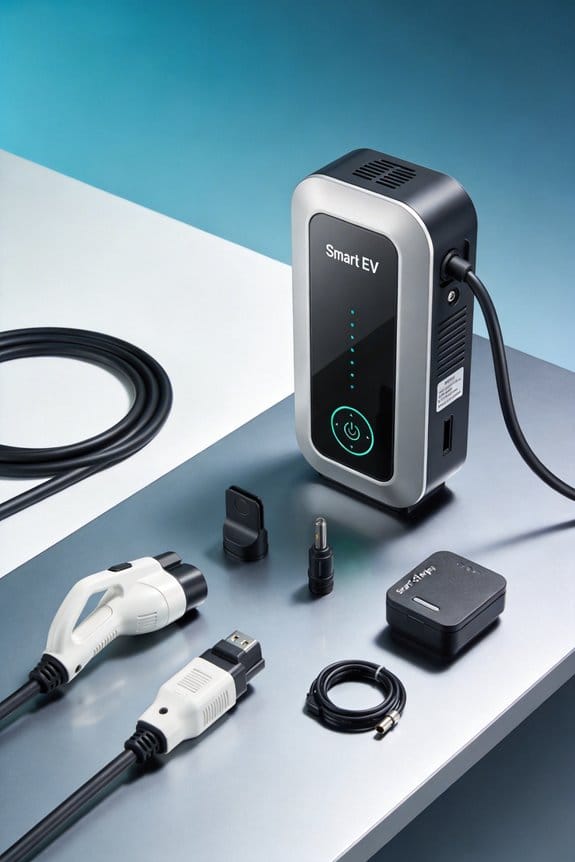
Why Smart EV Charging Is a Major Trend in [year

We see smart EV charging rising in 2026 because it cuts costs, steadies the grid, and makes trips smoother. 1. AI predicts demand and shifts charging to cheap, off‑peak hours. 2. Ultra‑fast 350 kW+ stations lower charge time to under 15 minutes. 3. Plug‑and‑charge with NACS removes card taps and app steps. 4. V2G and battery storage buffer the grid and use renewables. 5. Modular, AI‑driven stations grow without full rebuilds. 6. Operators can add rebates and revenue‑share deals to speed rollout. Keep reading to see how these steps fit together.
Key Takeaways
- Smart charging optimizes grid load, reducing peak demand charges and integrating renewable energy sources.
- AI‑driven demand forecasts schedule charging during low‑cost periods, cutting operational expenses for fleets and consumers.
- Ultra‑fast (350 kW+) stations paired with real‑time monitoring enable rapid, reliable charging while protecting hardware.
- Plug‑and‑Charge with standardized NACS connectors streamlines user experience, eliminating payment friction and downtime.
- Modular, data‑rich infrastructure supports scalable deployment, future‑proofing sites and facilitating revenue‑share partnerships.
How Smart EV Charging Is Reshaping the 2026 EV Ecosystem
You may be interested


Ever wonder why your car’s battery seems to drain faster when you’re stuck in city traffic? The answer isn’t just the stop‑and‑go—it’s how you’re charging it. By 2026, smart EV charging is already reshaping the way drivers, fleets, and utilities interact. Cities are weaving chargers into daily life, placing them near transit hubs, office parks, and apartments. New building codes now demand charging capacity and require owners to report usage data.
Install chargers in mixed‑use districts.
Align with local zoning rules that support renewable power.
Use standardized plug types to simplify fleet operations.
Public stations follow city‑wide load‑balancing plans, while private lots stick to utility‑mandated demand‑response schedules. These steps help cut congestion, lower energy costs, and keep the grid stable. Follow the guidelines to stay compliant and improve driver experience.
Frankly, you don’t need a massive overhaul to get started. Try this: look for neighborhoods where office buildings and apartments share a parking garage—those spots often have the best mix of power and foot traffic. Then, check your local zoning office for any renewable‑energy incentives that could offset installation costs.
If you’re managing a fleet, a single standardized plug type can save you hours of paperwork and reduce downtime. It also makes it easier for drivers to find a compatible charger on the road, which means fewer missed appointments and happier customers.
Worth knowing: many cities now require new developments to include a certain number of charging spots per residential unit. That rule alone is driving a surge in available chargers, especially in mixed‑use areas where people live, work, and shop all in one place.
AI‑Driven Energy Management: Cutting Costs and Boosting Reliability
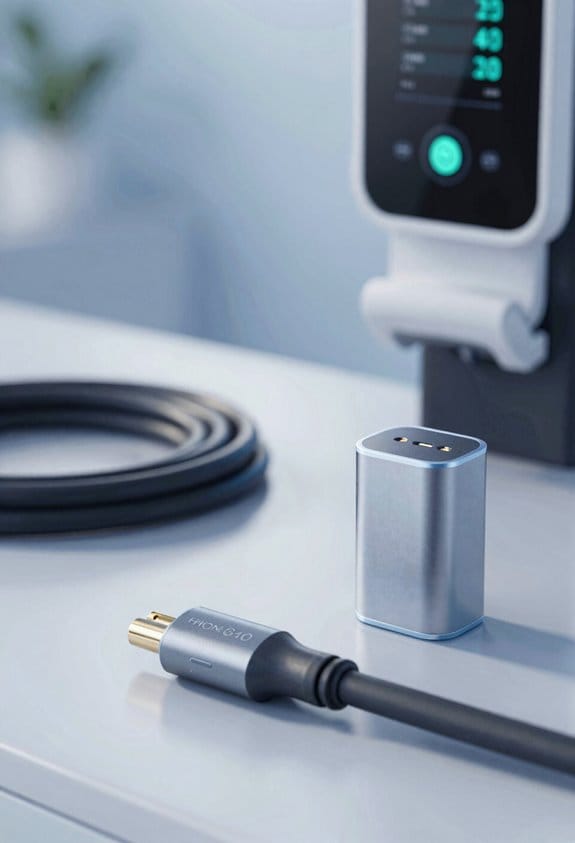
Ever felt your charging stations are draining your budget while the grid stays shaky? You’re not alone. I’ve been tweaking my own setup, and a few AI tricks have made a real difference.
Predict demand demand – AI reads weather and usage trends, then schedules charging when electricity is cheap.
Maintain hardware – Connector diagnostics alert us to temperature spikes or voltage irregularities.
Balance the grid – AI reduces peak demand, preventing costly surcharges.
Integrate renewables – AI aligns charging with solar or wind peaks, lowering emissions.
Frankly, the key is to let the system learn your patterns and act before anything goes wrong. Try this: set your AI to shift load to off‑peak hours, and you’ll see the bill shrink without a hitch.
When you let the AI handle diagnostics, you catch wear early, so you avoid surprise outages. It’s like having a mechanic on standby, but without the extra cost. The result? Your network stays up, your customers stay happy, and your wallet stays a little fuller.
Worth knowing: the more data you feed it—weather forecasts, usage spikes—the smarter it gets at matching demand with supply. That means fewer peaks, smoother operation, and a greener footprint.
Give it a try and watch the savings roll in. Ready to see how much you can cut?
Recommended Products
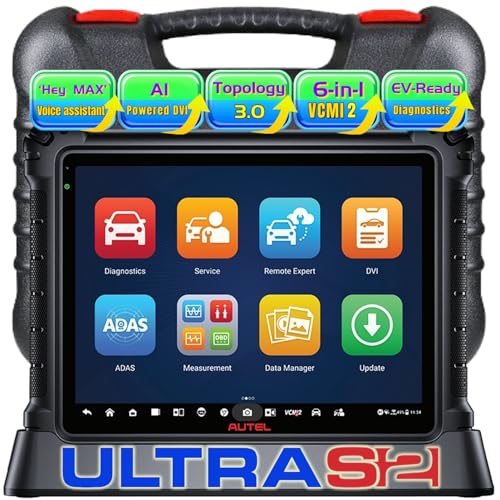
[ Autel MaxiSYS MS Ultra S2 – Update of Autel MaxiSYS Ultra, Next-Generation Diagnostic Power with Groundbreaking Hardware ]: Setting a new industry standard, the Ultra S2 features a stunning 13.7-inch anti-glare touchscreen, a blazing-fast 2.7GHz octa-core processor, and a generous 512GB of internal storage, Powered by the latest Android 13.0 OS, this powerhouse is engineered for speed and clarity—boosting diagnostic workflows while ensuring unmatched precision across every vehicle system

[Another Leap Forward] Building on the award-winning Autel MS Ultra, the MaxiSYS Ultra S2 sets a new industry standard for efficiency and accuracy with upgraded hardware, advanced diagnostic features, and access to comprehensive repair data, delivering near OEM level diagnostics and beyond.

🌈🌈【Autel Ultra S2: The Best Investment in 2026】Full-level up of the Autel Ultra/Ultra EV/MS909/Elite II Pro, 2026 flagship scanner Ultra S2 covers 15,000 models worldwide and features the Motor TruSpeed Repair Service. highlights include 👍Topology Mapping 3.0, 👍J2534 Programming & Coding, 👍Data-Driven Diagnostics with Enhanced PID Analysis, 👍Hands-F.ree Virtual Assistant (Siri), 👍EV Testing, 👍48+ Services, and 👍10+ High-End Functions for large auto workshops.
Smart EV Charging’s Ultra‑Fast Stations: Why 350 kW‑Plus Is the New Norm
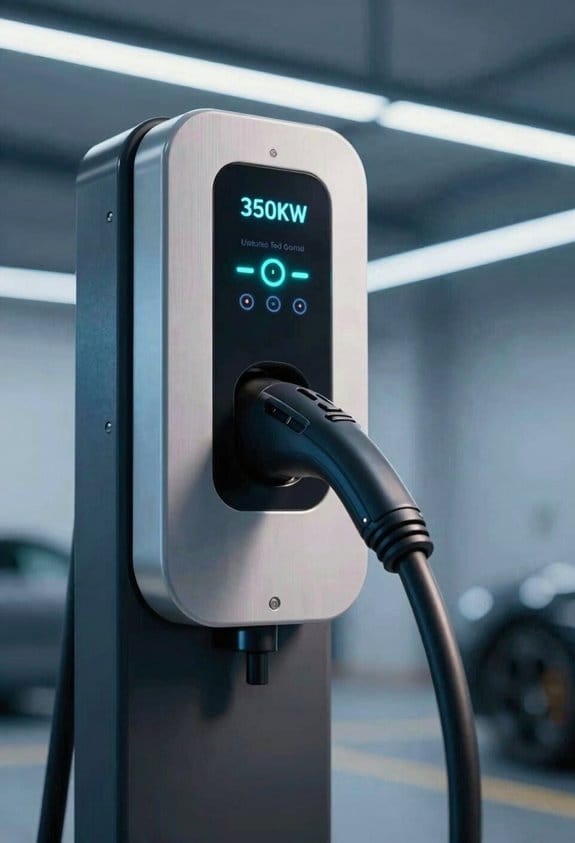
Ever stuck waiting for a charger that seems to crawl while you’re on a tight schedule? I’ve been there, and the good news is that the fast‑charging game is finally catching up.
Our AI‑driven energy tools already cut costs and keep stations reliable, so the next step is looking at power levels. We see 350 kW‑plus chargers becoming the norm. They reduce charge time to under 15 minutes and support long‑range trips.
- Power scale – 350 kW is now the baseline; many sites offer 400–600 kW.
- Thermal management – Advanced cooling keeps components safe at high load.
- Connector standards – CCS and NACS dominate, ensuring vehicle compatibility.
- Deploy modular units to grow capacity without full rebuilds.
- Use real‑time monitoring to spot overheating early.
- Align with latest connector specs to avoid retrofits.
Frankly, you don’t have to wait for a whole new station to get the speed you need. Try this: start with a modular design that lets you add more chargers as demand rises. It’s a simple way to keep your site fast, safe, and ready for the next wave of EVs.
What’s the biggest hurdle you’ve faced with charging speed? Let’s hear your story and see how we can tackle it together.
Recommended Products
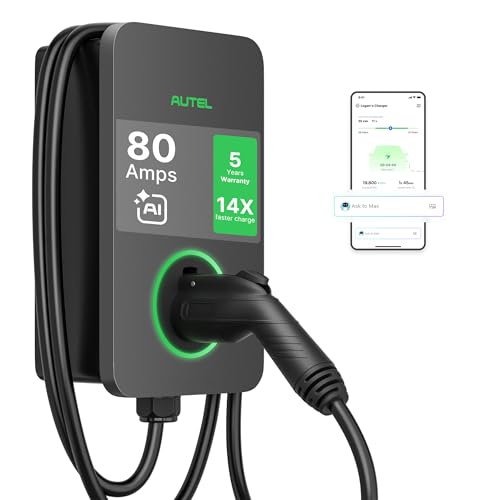
AI-POWERED SMART CHARGING & APP CONTROL – This ev charger level 2 uses Autel’s AI-integrated smart app to schedule charging around time-of-use utility rates, helping lower your monthly bill while boosting station utilization. Start or stop sessions remotely, adjust current from low to high amps, view real-time energy data, and get alerts if anything looks off.
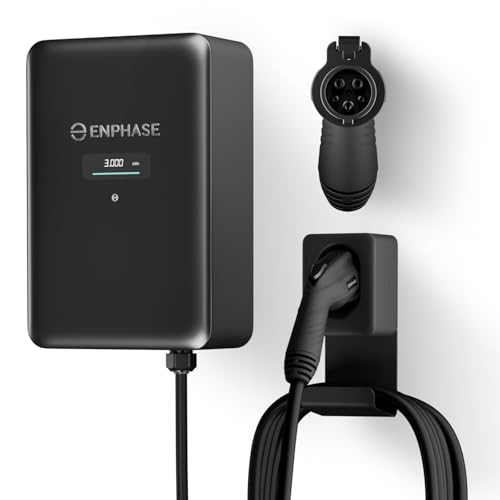
9× FASTER CHARGING: Get faster, smarter EV charging up to 11.5 kW (up to 46 miles/hour). Perfect for overnight charging or quick top-ups.

INSTALL WITH CONFIDENCE: The Enphase HCS-50 EV Charger, formerly known as ClipperCreek, delivers award-winning durability and reliability. Installation is quick and straightforward—connect it to a dedicated 50 Amp circuit by any licensed electrician.
AI‑Driven Power Management for Ultra‑Fast Stations
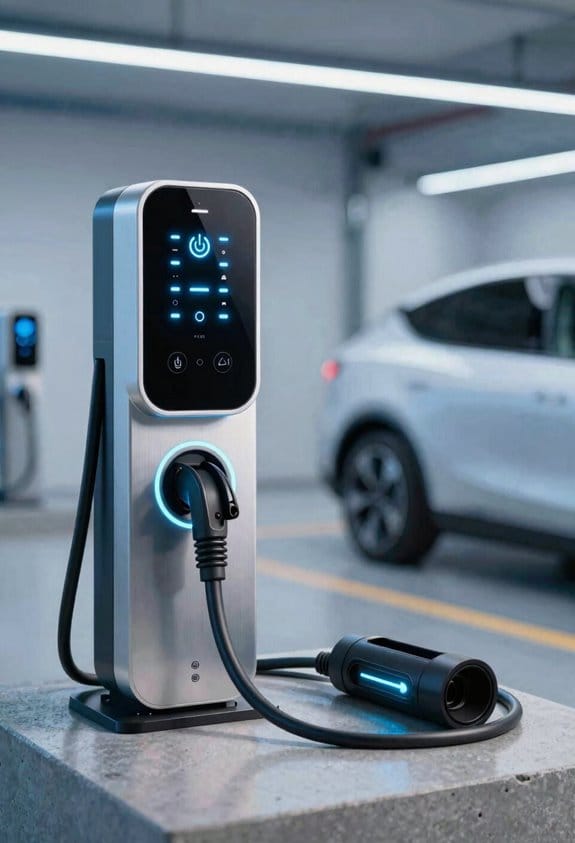
Ever felt like your ultra‑fast charging station is a money‑drain and a headache? You’re not alone. When the chargers overheat or the grid spikes, the bill climbs and the equipment ages faster. I’ve been tweaking my own setup, and the results are worth sharing.
First off, keep an eye on every temperature sensor in the station. A simple dashboard that flags anything above the safe range can save you a lot of downtime. When you see a hot spot, act fast—adjust the power flow before anything burns out.
Frankly, the real trick is to sync charger output with the grid’s timing. By fine‑tuning latency, you avoid the lag that usually causes voltage spikes. This not only smooths the charge but also cuts down on the wear that comes from sudden surges.
Here’s the trick: schedule charging sessions during off‑peak hours. Most utilities charge extra when demand spikes, so a little planning can shave off a big chunk of your bill. A quick calendar tweak can keep your chargers humming without the extra fees.
Worth knowing: set up predictive alerts for overheating or voltage spikes. When the system spots a trend, it can warn you before anything goes wrong. That early heads‑up is priceless for keeping your equipment reliable.
- Monitor temperature sensors across the station.
- Apply latency optimization to sync charger output with grid signals.
- Schedule charging sessions to avoid peak demand charges.
- Use predictive alerts for overheating or voltage spikes.
- Adjust voltage levels automatically during high‑traffic periods.
Try this: let the AI balance load and predict demand in real time. You’ll notice smoother thermal management and a longer life for your components. The system learns your patterns and tweaks power flow without you lifting a finger.
What’s the biggest pain point you’ve hit with fast charging stations? Share your story, and let’s figure it out together.
Recommended Products
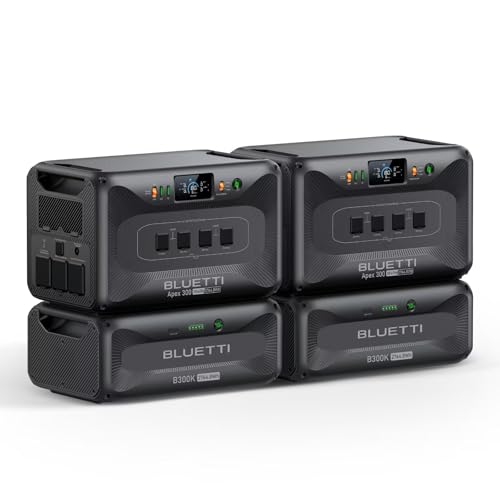
[All-Scenario Power] - Apex 300 (2764.8Wh, 3840W) keeps homes lit, RVs rolling & off-grid sites running. Parallel 2-3 units (5.5-8.3kWh), expand to 58kWh with B300K. Never powerless.

[All-Scenario Power] - Apex 300 (2764.8Wh, 3840W) keeps homes lit, RVs rolling & off-grid sites running. Parallel 2-3 units (5.5-8.3kWh), expand to 58kWh with B300K. Never powerless.

[Storm-Ready Power] - Apex 300 & 2 B300K (8.3kWh, 3840W, 7680W surge) runs homes, RVs for 2-4 days during outages. Powers fridges, medical gear, and essentials through any storm.
How V2G and Battery Storage Make the Grid More Resilient
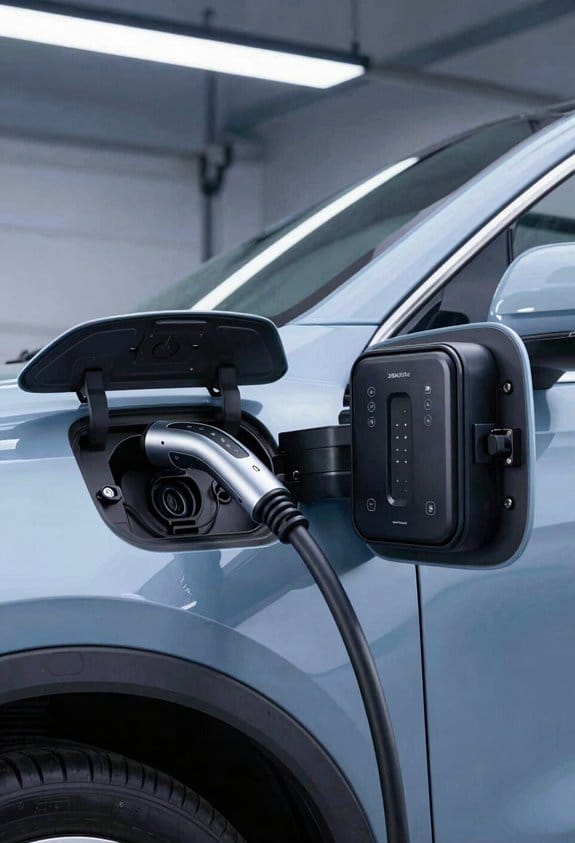
Ever wonder why your power bill spikes when a heatwave hits and the grid seems to wobble? The trick lies in turning your electric car and home battery into a backup power buddy for the whole neighborhood.
Vehicle aggregation
- Group many EVs into a single controllable resource.
- Use their combined capacity for peak shaving.
Battery storage
- Store renewable energy during low‑demand periods.
- Discharge during outages or high‑load events.
Practical steps
- Deploy smart controllers that monitor grid conditions.
- Enable bidirectional charging on fleet vehicles.
These actions let us balance supply and demand, reduce reliance on fossil peaker plants, and keep the grid stable during emergencies. Frankly, you don’t need a massive power plant to make a difference; a handful of EVs and a home battery can smooth out the toughest spikes. Worth knowing: the more cars you plug in, the bigger the cushion for the grid when the sun goes down or the wind dies down. Still curious how to get started? Give it a try and watch the lights stay on when the rest of town flickers.
Smart EV Charging’s Plug‑And‑Charge & NACS for a Seamless User Experience
Ever stuck hunting for a card or fumbling with an app just to charge your EV? That awkward moment can turn a quick pit stop into a mini‑frustration. The good news? Plug‑and‑charge and the newer NACS connector are making that hassle a thing of the past.
Plug‑and‑charge lets you pull up, plug in, and drive off without any extra steps. The car and charger talk to each other over a secure link, swapping payment and identity data in an instant. No need to tap a card, scan a QR code, or open an app. It’s as close to “just plug and go” as you can get on the road.
NACS is the fresh connector standard spreading across North America. It’s replacing the older plugs you see at many stations, so you’ll start seeing it more often on highways, at work sites, and in city lots. If you have a vehicle that supports it, you’ll notice the difference right away.
User steps
- Pull up to a NACS‑enabled port.
- Insert the plug.
- Watch the indicator confirm charging.
Plug and charge – No app needed, just plug and drive.
NACS adoption – The new standard is spreading across North America, replacing older connectors.
Choosing stations that support both plug‑and‑charge and NACS keeps your trips smooth, whether you’re on a long drive or just grabbing a coffee nearby. Worth knowing: many newer stations are built with both, so you won’t have to hunt for the right spot.
Frankly, the whole process feels like a friendly nudge toward a more relaxed drive. You get back to the road faster, and you spend less time worrying about how to pay. If you’ve ever been stuck in a line while someone else fumbles with a card, you’ll appreciate the simplicity.
Try this: next time you plan a route, flag a few NACS‑enabled stations on your map. When you arrive, just plug in and let the charger handle the rest. You’ll see how much smoother the experience becomes.
Recommended Products

【Compatible Vehicles】 This Tesla V2L discharge power share device is specifically designed for Tesla Tesla Model Y/3/S/X manufactured after January 2020 with a factory-installed CCS2 charging port.

Earn Revenue with Every Charge: Set custom pricing and idle fees. Monthly payouts and usage reports included.
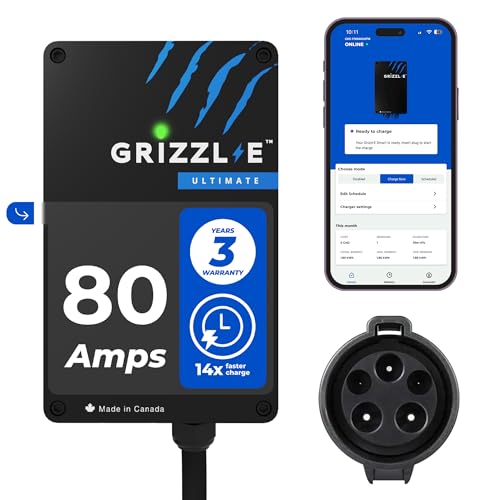
Grizzl-E Ultimate with 25ft Cable is the 80A 19.2kW, Wi-Fi-connected EV Charger with J1772 or NACS charging connector. Made in Canada with a heavy-duty UL Type 4 Indoor/Outdoor Rated metal enclosure to withstand any indoor or outdoor condition
Operator Actions Needed Now to Stay Ahead of the Smart‑Charging Boom
Ever feel like you’re watching the smart‑charging world race past you? You’re not alone. Operators who act now can stay ahead of the curve and keep their networks humming.
Recommended Products

[Energy Independence] - Apex 300 power station, B300K expansion battery (5.5kWh, 3840W, 7680W surge) delivers off-grid power for essentials, lights, and devices. Ideal for cabins, camping, and backup.

Easily Scales Up. Adapt power to your lifestyle with expandable capacity from 3kWh to 11kWh. Add extra batteries to cover multi-day blackouts, RV living, or extended outdoor trips. Flexible, future-proof design grows with your needs—no compromises.

[All-Scenario Power] - Apex 300 (2764.8Wh, 3840W) keeps homes lit, RVs rolling & off-grid sites running. Parallel 2-3 units (5.5-8.3kWh), expand to 58kWh with B300K. Never powerless.
Create partnership incentives
- Offer revenue shares to utility partners.
- Provide joint‑marketing credits for site owners.
- Set tiered rebates for hardware suppliers.
Develop maintenance playbooks
- List routine checks for temperature and connector wear.
- Define response times for AI‑driven alerts.
- Assign clear roles for field crews.
Upgrade software platforms
Frankly, integrating AI for demand‑charge optimization can cut costs and smooth out peaks.
– Enable remote firmware updates so you don’t have to chase every charger.
Expand charger mix
- Add ultra‑fast ports in high‑traffic corridors to serve drivers on the go.
- Keep Level‑2 stations for local access and residential neighborhoods.
Try this: map out where your busiest routes intersect with high‑density parking and drop a few ultra‑fast units there.
Worth knowing: a solid mix of fast and regular chargers keeps both long‑haul and local drivers happy.
What’s the next step you’ll take to future‑proof your charging network?
Frequently Asked Questions
How Will Data Privacy Be Ensured in Ai‑Driven Charging Networks?
We’ll secure data by always asking for user consent and applying differential privacy to aggregate charging patterns, so your personal usage stays hidden while the network still learns efficiently.
What Standards Will Govern Cross‑Brand Plug‑And‑Charge Interoperability?
We’ll rely on ISO 15118 for secure, plug‑and‑charge communication and on the evolving OCPP standards to guarantee cross‑brand interoperability, so your EV can charge seamlessly across any network.
How Does Ultra‑Fast Charging Affect Battery Lifespan Over Time?
We’ll tell you that ultra‑fast charging isn’t a miracle cure; it speeds up battery degradation unless thermal management steps in, keeping heat in check and preserving life despite the rapid power bursts.
What Incentives Exist for Installing V2g‑Ready Infrastructure?
We’ll tell you that tax credits, feasibility analysis, and installation grants are the main incentives for V2G‑ready infrastructure, helping lower upfront costs, guarantee ROI, and accelerate deployment across fleets and utilities.
How Will Grid Operators Handle Simultaneous Demand From Multiple 600 kW Stations?
We’ll use demand orchestration and capacity pooling, dynamically shifting loads across nearby stations, leveraging AI to balance 600 kW draws, smoothing peaks so the grid stays stable while serving multiple fast‑charging hubs.


