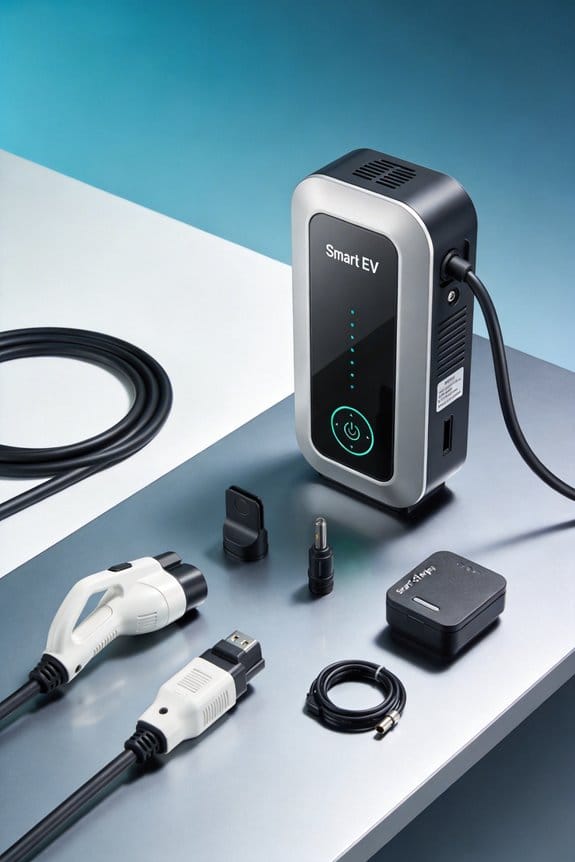
As an Amazon Associate, we earn from qualifying purchases. Some links on this site are affiliate links at no extra cost to you. Our recommendations are based on thorough research and editorial judgment.


Why More EV Owners Care About Charging Setup Design

We care about charging setup design because it cuts costs, boosts convenience, and protects reliability. 1. Home‑first placement lets us charge overnight at low rates. 2. Smart station placement near demand clusters reduces travel time. 3. Standard signage and plug‑and‑charge cut search effort. 4. Modular hardware and future‑proof space keep upgrades cheap. 5. Time‑of‑use pricing and utility rebates lower bills. 6. Rural vs. urban retrofits guarantee power readiness. Follow these steps and you’ll see even more benefits.
Key Takeaways
- Reliable home‑charging design ensures overnight convenience, reducing range anxiety and daily planning complexity.
- Smart timers and time‑of‑use alignment lower electricity costs and support grid stability, appealing to cost‑conscious owners.
- Consistent UX and Plug‑and‑Charge standards minimize search time and app friction, making charging feel as easy as refueling.
- Scalable, modular hardware future‑proofs installations, allowing owners to upgrade capacity without costly rewiring.
- Equitable community microgrids and voucher programs improve access and affordability, attracting owners in underserved areas.
Plan Smarter Station Placement Amid Fast‑Charging Scarcity
You may be interested

Ever feel like finding a fast‑charging spot is a wild goose chase? You’re not alone. The trick is to put chargers where they’re actually needed, not just where they look good on a map.
We start by mapping demand clusters using traffic flow and EV registration data. Then we score each candidate location.
- Identify high‑traffic corridors and commercial centers.
- Gather data on existing chargers, power grid capacity, and parking availability.
- Score sites on:
- Proximity to demand clusters
- Grid readiness
- Accessibility for all users
- Cost of installation
After scoring, we pick the top spots for pilot projects and keep an eye on usage, tweaking scores each quarter. This approach makes sure new fast chargers hit the most needed areas while staying within budget.
Frankly, the best way to stay ahead is to treat your charger plan like a living document—update it as traffic patterns shift and new data rolls in. Worth knowing: start small, watch the numbers, and scale up where the demand proves it.
Ready to give your community the charging boost it deserves? Let’s make it happen.
Prioritize Home‑First Drivers in EV Charging Design
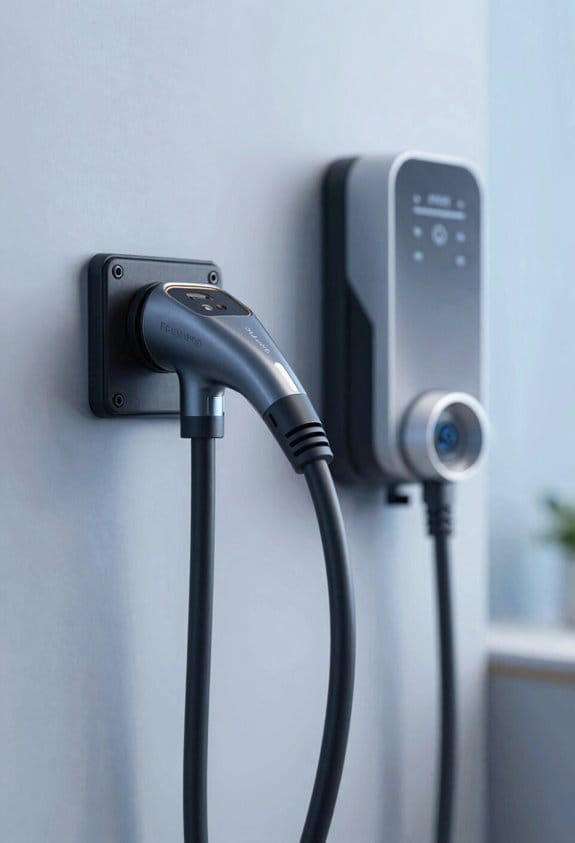
Ever find yourself staring at a dead‑battery warning while you’re still at home? Most of us end up charging overnight, so the real win is making that home setup easy and safe.
Fast‑charging scarcity means many drivers still rely on home charging, so we need to design systems that put their homes first. We should treat home charging as the core of the EV experience because most owners have an overnight preference.
Place chargers near existing residential electrical panels.
Offer wall‑mounted units that fit typical garage sizes.
Provide simple wiring kits for DIY installation.
- Use smart timers to align with off‑peak rates.
- Enable load‑balancing to protect home circuits.
- Include clear labeling for plug type and power level.
These steps let drivers charge safely while they sleep, reduce grid strain, and keep costs low. By focusing on home‑first design, we support the majority of users without adding complexity.
Frankly, you don’t need a professional electrician for most installs if you follow the right guide. Worth knowing: a good timer can shave a few dollars off your bill each month. Try this: check your breaker box first, then match the charger’s amperage to the spare capacity.
Your garage can become the most reliable pit stop you’ve ever had. Ready to make your night‑time charge hassle‑free?
Standardized Signage & Plug‑and‑Charge for Better UX
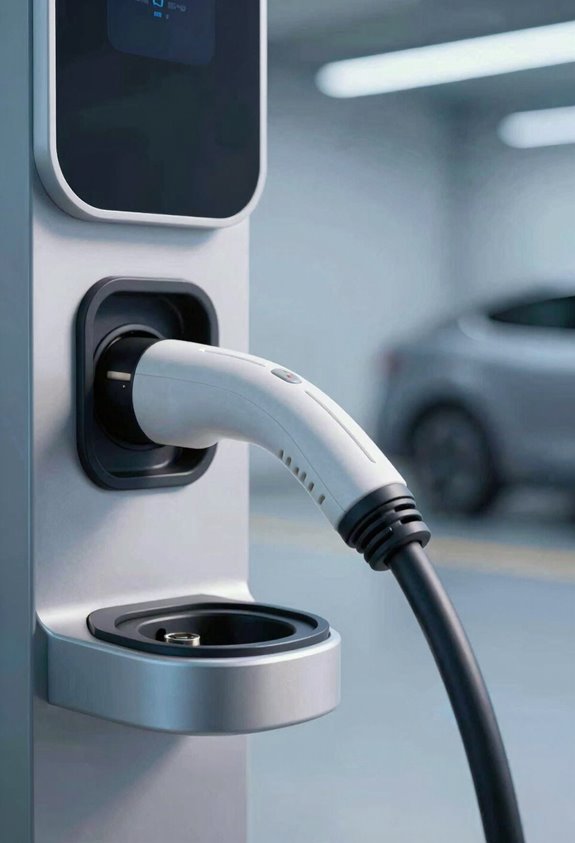
Ever tried hunting for an EV charger and felt like you were chasing a mirage? You pull up, glance around, and the spot is either hidden or the plug looks different from what your car needs. That guessing game wastes time and can turn a quick stop into a headache.
Frankly, the fix is simpler than you think. If every charger had the same clear sign and a Plug‑and‑Charge system, you’d know exactly where to go and how to power up with just a tap. No more hunting for a weird logo or fumbling with an app.
Here’s the trick:
- Use the same icon and color on every sign so you spot it from a distance.
- Add a QR code that shows real‑time availability right on your phone.
- Keep the signs at a consistent height and light them well for night‑time visibility.
- Make sure all plugs share the same shape and power rating.
- Let the system bill automatically through one account you already have.
These steps cut down the hesitation you feel when you pull up to a station. You’ll spend less time searching and more time getting back on the road. The result? A smoother, stress‑free experience every time you need a charge.
What do you think—ready to make charging as easy as pulling into a gas station? Let’s get those signs up and the tap‑and‑go rolling.
Guarantee 97% Uptime for Reliable Daily EV Use
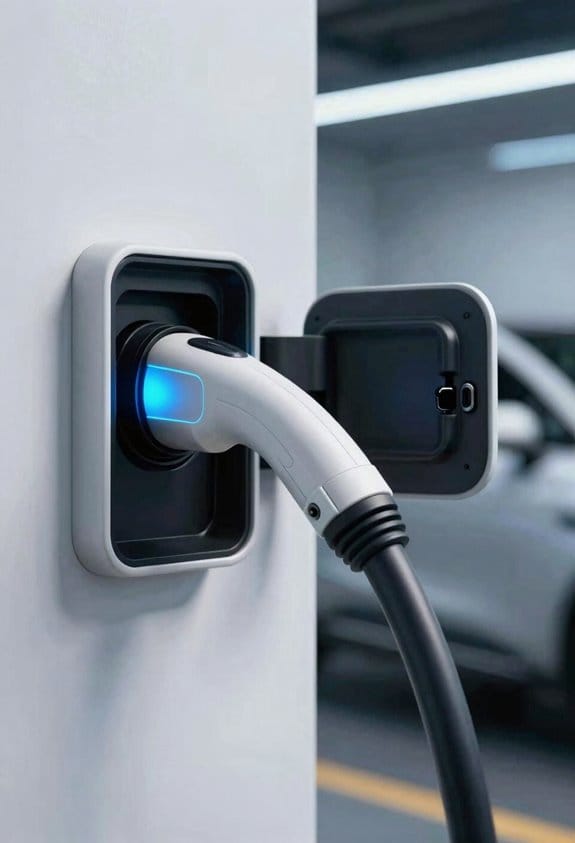
Ever tried to charge your EV on a rainy morning, only to see the station flicker and go dark? That’s the kind of hassle that makes you wonder if the whole system is reliable. I’ve been digging into what really keeps a charger up and running, and here’s what I’ve learned.
Hardware choices
Pick parts that have stood the test of time and weather. I always go for weather‑proof components that won’t rust or melt in the heat. Adding a dual power supply to each charger is a cheap way to avoid a single point of failure.
Redundancy planning
Backup cables and switches are a lifesaver when the main line glitches. I also separate the critical circuits from the rest of the load, so a fault in one area doesn’t take everything down.
Predictive maintenance
Collecting temperature and voltage data lets you spot trouble before it becomes a shutdown. I set up simple alerts that ping you when readings drift outside normal ranges.
Smart monitoring
A dashboard that shows uptime by the hour gives you a clear picture of how the station is doing. I schedule checks based on the trends those alerts reveal, so you’re never caught off guard.
Frankly, the key is to treat each charger like a mini‑system with its own safety nets. When you combine solid hardware, thoughtful redundancy, and a bit of data‑driven care, the station stays online when you need it most.
Try this: run a quick weekly review of your dashboard and note any recurring alerts. Fix the root cause before it becomes a pattern, and you’ll see the uptime numbers climb.
Optimizing Energy Efficiency for EV Charging Design
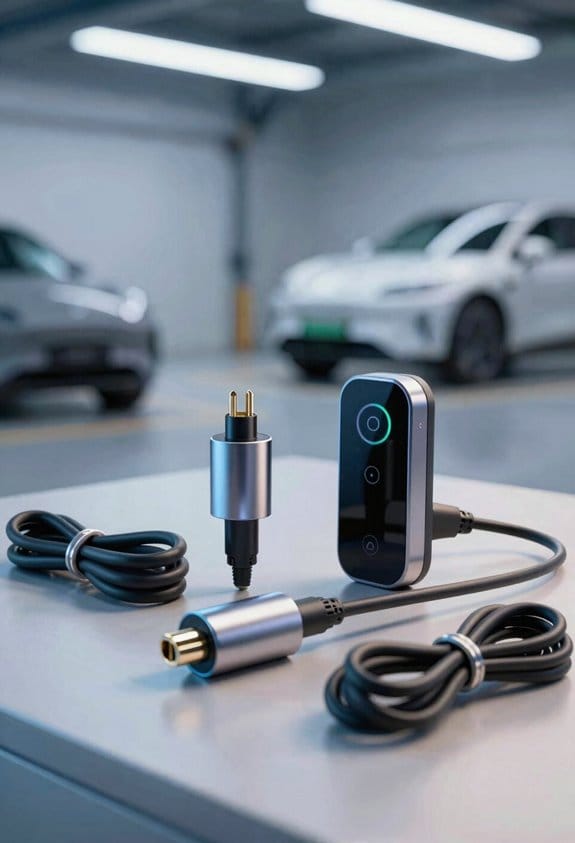
Ever wonder why your EV charger feels like it’s always sucking up more power than it should? I’ve been tweaking my own setup and found a few simple tricks that keep the energy loss low while still giving you reliable charge.
Use high‑efficiency converters
- They cut down on heat.
- That means the parts stay cooler.
Add active cooling systems
- A fan or a little liquid loop can keep the temperature in check.
- It helps avoid those annoying power drops.
Enable dynamic load balancing
- Your charger can talk to the grid and move the load to off‑peak hours.
- That way you’re not paying extra for peak‑time electricity.
Integrate on‑site storage
- Storing excess solar or wind power lets you draw from it when demand spikes.
- It smooths out the load and cuts down on waste.
Monitor real‑time data
- Sensors keep an eye on temperature and other key stats.
- The software can automatically tweak the output to stay efficient.
Frankly, the biggest win comes from watching the numbers and letting the system adjust itself. Try this: set up a simple dashboard that shows temperature and load in real time, and you’ll see where you can tighten things up.
You’ll notice that a cooler system runs smoother and lasts longer, and you’ll save a few bucks on your electricity bill each month. Have you tried any of these tweaks on your own charger?
Equitable Public‑Charging Strategies for Low‑Income Neighborhoods
Ever wonder why charging stations seem to pop up everywhere except your neighborhood? It’s frustrating when you can’t afford the extra cost of charging an electric car, especially if you’re on a tight budget. The good news is that a few simple moves can make public charging both affordable and reliable for low‑income areas.
First off, think about pairing a community microgrid with a voucher program. A microgrid stores solar energy and feeds a steady stream of power to chargers, keeping the grid stable even when demand spikes. Then, hand out vouchers that cover part of the charging fee for residents. This combo cuts costs for families while still giving them access to clean energy.
- Locate stations near existing transit stops so you can grab a quick charge while you wait for the bus.
- Use Level‑2 chargers for everyday use and add a few DC fast ports for those moments when you need a rapid top‑up.
- Partner with local utilities to help fund the microgrid installation and keep the project financially viable.
- Track voucher usage so you can tweak pricing and add capacity where it’s needed most.
Frankly, the key is to keep the stations close to where people already gather. When you put chargers near transit hubs, you’re not only making them convenient, but you’re also encouraging more people to switch to EVs without worrying about range anxiety.
Worth knowing: the voucher system should be easy to understand. Residents can sign up online or at a community center, and the discount shows up automatically when they plug in. No complicated paperwork, just a straightforward way to lower the cost of each charge.
If you’re wondering how to get started, try this: reach out to your local utility and ask about microgrid grants. Many utilities have programs that support clean energy projects in underserved neighborhoods. By collaborating, you can split the cost of installing solar panels and storage batteries, making the whole setup more affordable for the community.
These steps build a fair charging network that lowers costs, keeps the grid stable, and expands EV access for everyone. Ready to bring affordable charging to your neighborhood? Let’s make it happen.
Retrofit Guidelines for Rural vs. Urban Parking‑Lot EV Chargers
Ever wonder why your neighborhood’s EV charger feels like a guessing game? I’ve been there, and I’ve learned a few tricks that make retrofitting a parking‑lot charger feel a lot less like a puzzle.
Assess site power
- Rural: check existing farm or community lines.
- Urban: verify capacity for high‑density loads.
Choose charger type
- Rural resilience benefits from a mix of Level 2 and occasional DC fast units for long trips.
- Urban density calls for many Level 2 spots close together to serve many users.
Recommended Products

👍【2026 TOP AI SCANNER AUTEL MAXISYS ULTRA S2】Autel scanner MaxiSys Ultra S2 is a cutting-edge AI-powered diagnostic tool built for speed and intelligence. It features 10X faster hardware (13.7'', Android 13, 2.7G 8-Core CPU, 512GB storage), 48+ Services, TruSpeed Repair, Remote Expert, 99.99% car coverage etc.🔥Autel UltraS2 New AI upgrades include:✅VCM2 6-IN-1 Module($2,000+ v.alue); ✅"Max" hands-free voice control (like a "Siri"); ✅AI image analysis for dents & scratches; ✅Topology Map 3.0 + Split-Screen; ✅Data Stream 3.0 (Enhanced PID Analysis). 📢This is South American Version includes 2-year f-ree updates ($4,000 v.alue).❌ Excludes 1-year f-ree Motor TruSpeed.

[Another Leap Forward] Building on the award-winning Autel MS Ultra, the MaxiSYS Ultra S2 sets a new industry standard for efficiency and accuracy with upgraded hardware, advanced diagnostic features, and access to comprehensive repair data, delivering near OEM level diagnostics and beyond.

🌈🌈【Autel Ultra S2: The Best Investment in 2026】Full-level up of the Autel Ultra/Ultra EV/MS909/Elite II Pro, 2026 flagship scanner Ultra S2 covers 15,000 models worldwide and features the Motor TruSpeed Repair Service. highlights include 👍Topology Mapping 3.0, 👍J2534 Programming & Coding, 👍Data-Driven Diagnostics with Enhanced PID Analysis, 👍Hands-F.ree Virtual Assistant (Siri), 👍EV Testing, 👍48+ Services, and 👍10+ High-End Functions for large auto workshops.
Plan layout
- Rural: space chargers to allow easy vehicle turning and future expansion.
- Urban: align chargers with existing parking rows to maximize spot count.
Recommended Products

【High-Capacity Dual-Power Combination】This set includes main power station and 3600Wh expansion battery pack. The battery pack is built with diverse output ports, supporting stackable capacity expansion or separate independent power supply. It realizes dual usage modes, saves extra purchasing budget and achieves high practical cost performance.

Earn Revenue with Every Charge: Set custom pricing and idle fees. Monthly payouts and usage reports included.

TRANSFORM YOUR EV CHARGING AREA- Experience a clutter-free garage with our EV Hover electric vehicle charging station accessories management system. Keep your charging cable suspended and out of the way for a clean, safe charging experience.
Install signage and network
Use clear symbols and plug‑and‑charge protocols.
Recommended Products

Premium Reflective Aluminum Construction – Made from high-quality, rust-free aluminum with a reflective surface that enhances visibility while delivering long-lasting durability and a professional appearance in any setting.

DURABLE: Electric Vehicle Parking Signs last up to 7 years outside with their USA-made quality. These signs have prismatic Engineer Grade film mounted on 120 mil thick ACM (Aluminum Composite Material) which has a thick aluminum outer layer and a durable plastic core.

☑️ EASY TO READ EV PARKING SIGNS: These green signs are easy to understand and inviting to electric vehicle owners.
Test reliability
Verify 97 % uptime before opening.
Frankly, the biggest slip‑up is skipping the power check. If you skip it, you’ll end up with a charger that trips the breaker every time someone plugs in. Worth knowing: a quick conversation with the local utility can save you weeks of re‑work.
Try this: walk the lot with a tape measure and a coffee. Mark where each charger will sit, then picture a car turning around it. In a rural setting you’ll want a little extra wiggle room; in a city you’ll be squeezing every inch possible.
Now that you’ve got the basics down, you can move forward with confidence. Got any other tips you’ve tried? Let’s hear them.
Recommended Products
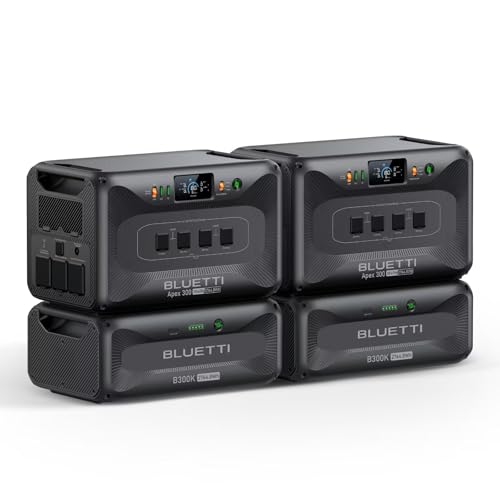
[All-Scenario Power] - Apex 300 (2764.8Wh, 3840W) keeps homes lit, RVs rolling & off-grid sites running. Parallel 2-3 units (5.5-8.3kWh), expand to 58kWh with B300K. Never powerless.

[All-Scenario Power] - Apex 300 (2764.8Wh, 3840W) keeps homes lit, RVs rolling & off-grid sites running. Parallel 2-3 units (5.5-8.3kWh), expand to 58kWh with B300K. Never powerless.

[Energy Independence] - Apex 300 power station, B300K expansion battery (5.5kWh, 3840W, 7680W surge) delivers off-grid power for essentials, lights, and devices. Ideal for cabins, camping, and backup.
How Time‑of‑Use Pricing Can Shift Your Charging Habits?
Ever find your electric bill creeping up because your car charges at the same time as everyone else? I’ve been there, and the fix is simpler than you think.
If you charge during off‑peak hours, you can lower your electricity bill and help the grid run smoother. We can set our EVs to start charging at night when rates drop. This builds off‑peak habits that save money and reduce stress on the system.
- Check your utility’s time‑of‑use schedule.
- Program the charger to begin after 10 p.m.
- Use a smart app to pause charging during peak periods.
Frankly, demand‑response incentives reward us for shifting load. When the utility signals a peak, our charger can delay charging automatically. This earns credits or rebates. By following these steps, we keep costs low and support grid stability without extra effort.
Worth knowing: you can set a reminder on your phone to double‑check the schedule each month. That way you stay on top of any rate changes without having to hunt through paperwork.
Do you ever wonder why your car seems to charge slower at night? It’s not a glitch—it’s the grid balancing itself, and you’re part of that balance.
Give these tweaks a try and see how quickly the savings add up. Ready to let your car charge while the rest of the house sleeps?
Recommended Products

Universal Compatibility: The IQ 60 EV Charger features a ruggedized NACS connector and is ideal for Tesla electric vehicles and other NACS-compatible electric vehicles with acceptance rates up to 11.5kW. Plus, you may qualify for federal and local tax credits and rebates for home electric car charging.

Lightning-Fast Charging Power – Deliver up to 48 Amps and 11.5kW of power for rapid Level 2 charging—get EVs back on the road faster than ever.

AI-POWERED SMART CHARGING & APP CONTROL – This ev charger level 2 uses Autel’s AI-integrated smart app to schedule charging around time-of-use utility rates, helping lower your monthly bill while boosting station utilization. Start or stop sessions remotely, adjust current from low to high amps, view real-time energy data, and get alerts if anything looks off.
Utility Incentives That Boost EV Charging Design Adoption
Ever wondered why your electric‑car charger still feels like a luxury you can’t afford? The good news is that many utilities are handing out cash back and bill credits that can shave a big chunk off the cost and get you charging faster.
How to use them:
- Check your local utility’s website for rebate eligibility.
- Apply for grid credits when you add a programmable charger.
- Combine those rebates with any tax credits you qualify for to stretch your savings.
Key points:
- Rebates can knock to 30 % off the purchase price.
- Grid credits lower your monthly electricity bill.
- Both programs push reliable charging designs out faster and farther.
Frankly, the process isn’t as tricky as you might think. First, head to the utility’s portal and look for the “EV charger rebate” section. You’ll usually need a copy of your charger’s specs and a proof of purchase. Next, when you install a smart, programmable unit, the utility will often give you a credit for the load‑management features—just make sure the charger can talk to the grid. Finally, don’t forget the federal tax credit that can be stacked on top of everything else.
Try this: set up a spreadsheet with three columns—rebate amount, grid credit, and tax credit. Fill in the numbers you find, and you’ll see the total savings at a glance. It’s a quick way to compare different charger models and pick the one that gives you the best bang for your buck.
Worth knowing:
- The rebate amount can vary by state, so double‑check the local rules.
- Some utilities require a short survey after installation to confirm the smart features are working.
- If you’re renting, ask your landlord if they’ll share the rebate; many do.
Future‑Proof Your EV Setup for 35 Million U.S. Ports
Ever wonder why your home charger feels cheap compared to the next‑gen stations you see on the highway? You’re not alone—most folks think a single unit will do the job forever. The truth is, you’ll want a setup that can grow with the 35 million U.S. ports that are popping up.
1. Choose scalable hardware
- Pick chargers that let you snap in extra power modules later.
- Use units that match your current wiring but can be upgraded without tearing down walls.
2. Use modular software
- Install a platform that lets you add new features without swapping the whole system.
- Make sure the software can chat with future grid‑management tools.
3. Plan for space
Leave room for extra chargers in garages or parking lots.
Keep wiring paths clear for future expansion.
Worth knowing: start with a charger that has a higher amperage rating than you need now. It’ll cost a bit more upfront, but you won’t have to replace the whole thing when you add a second car or a faster charger later.
Honestly, you’ll save time and money if you map out where extra outlets could go before you even drill a hole. Think about the layout of your garage, the distance to the main panel, and where a future solar inverter might sit.
If you’re still on the fence about how much to invest now, ask yourself: do you want a system that feels stuck in 2023, or one that can keep pace with the fast‑moving EV world? The answer will guide how much flexibility you build in.
Frequently Asked Questions
How Do Weather Conditions Affect Charger Performance and Maintenance?
We see temperature effects slowing charging rates and increasing wear, while precipitation protection—sealed enclosures and drainage—keeps moisture from short‑circuiting components, so we prioritize robust, weather‑hardened designs for reliable performance.
What Cybersecurity Measures Protect User Data on Charging Networks?
We protect your data with strong encryption protocols and robust identity management, ensuring every session is authenticated, traffic is encrypted, and access is tightly controlled, so you can charge confidently without privacy worries.
Can Solar Can Be Integrated With DC Fast Chargers in Parking Garages?
We can definitely integrate solar canopies with DC fast chargers in parking garages, using battery buffering to store excess daylight and smooth peak demand, ensuring reliable, cost‑effective charging for everyone.
How Does Charger Power Factor Influence Overall Energy Efficiency?
We tell you that a high power factor reduces harmonic distortion, so chargers waste less energy and stay cooler, boosting overall efficiency and lowering operating costs for everyone.
What Are the Best Practices for Recycling or Repurposing Decommissioned Chargers?
We recommend sending decommissioned units to certified recyclers, reclaiming batteries for second‑life storage, and reusing conduits in new installations, ensuring components are responsibly processed while minimizing waste and cost.