As an Amazon Associate, we earn from qualifying purchases. Some links on this site are affiliate links at no extra cost to you. Our recommendations are based on thorough research and editorial judgment.

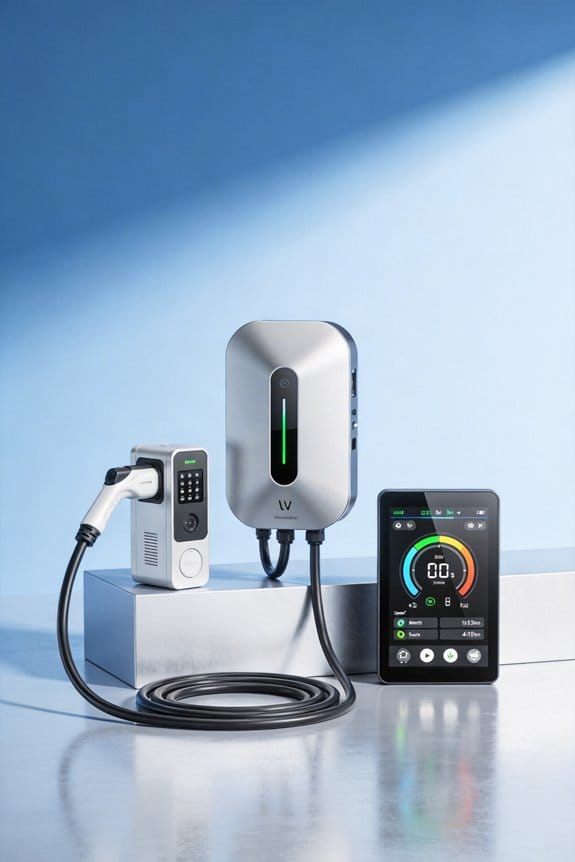
Why Energy Monitoring Features Matter to EV Owners

We monitor energy to keep the battery healthy, avoid range anxiety, and cut costs. 1) Tracking daily state of charge lets us stay in the 20–80% window more easily with monitoring on many home EV chargers and helps prevent deep discharge. 2) Temperature alerts and shade parking reduce overheating, which slows capacity loss. 3) Real‑time range predictions paired with GPS give a reliable mileage estimate and a safety margin. 4) Off‑peak charging timers lower electricity bills, and maintenance alerts catch issues early. 5) Mapping charging stops and keeping a buffer prevents unexpected shortfalls. Continue and and you’ll see how each feature ties into smarter trips.
Key Takeaways
- Real‑time charge data lets owners avoid unexpected range loss and plan trips with confidence.
- Monitoring temperature and usage patterns helps preserve battery health, extending lifespan and reducing replacement costs.
- Energy insights enable scheduling charging during off‑peak hours, lowering electricity bills.
- Alerts on inefficient driving or high‑energy routes encourage smoother habits and higher regenerative braking capture.
- Predictive range calculations and safety‑margin recommendations improve daily reliability and reduce range‑anxiety.
Why Battery Health Matters for EV Longevity and Range
You may be interested


Ever wondered why your EV’s range seems to shrink after a few months? The answer usually lies in how you treat the battery. Think of it as the heart of your car—keep it healthy, and the whole vehicle runs smoother for longer.
First off, keep an eye on the state of charge every day. A simple glance at the dashboard or app can tell you if you’re staying in the sweet spot. Try this: aim for a 20‑80 % window most of the time. It’s a small habit, but it makes a big difference over the years.
Next, schedule your charging for cooler parts of the day. If you can, plug in early morning or late evening when the outside temperature is lower. Fast charging feels convenient, but doing it when the battery’s already warm can speed up wear. Fair warning: a hot pack loses capacity faster than a cool one.
- Check temperature alerts in the app.
- Keep the vehicle in shade when parked.
- Follow the manufacturer’s recommended charge limits.
Those three steps are easy to remember and help the battery stay in peak shape. Consistent monitoring also lets you spot early signs of wear before they turn into costly repairs. Plus, logging the health data makes recycling smoother at the end of the battery’s life.
If you’re looking for a quick win, avoid deep‑discharge. Dropping the charge below 10 % once in a while is okay, but making it a habit will shave off miles from your range. And when you do need a quick top‑up, a a slower charger if the battery feels warm. It’s a simple trade‑off that pays off in the long run.
Finally, remember that good thermal management isn’t just about the charger—it’s about where you park, too. Shade, a garage, or even a car cover can keep the cells from overheating on hot days. Your EV will thank you with steadier performance and a longer life.
Got any other battery‑care tricks that work for you? Share them below and let’s keep our rides running strong.
Predictive Range Estimates: How to Eliminate Range Anxiety
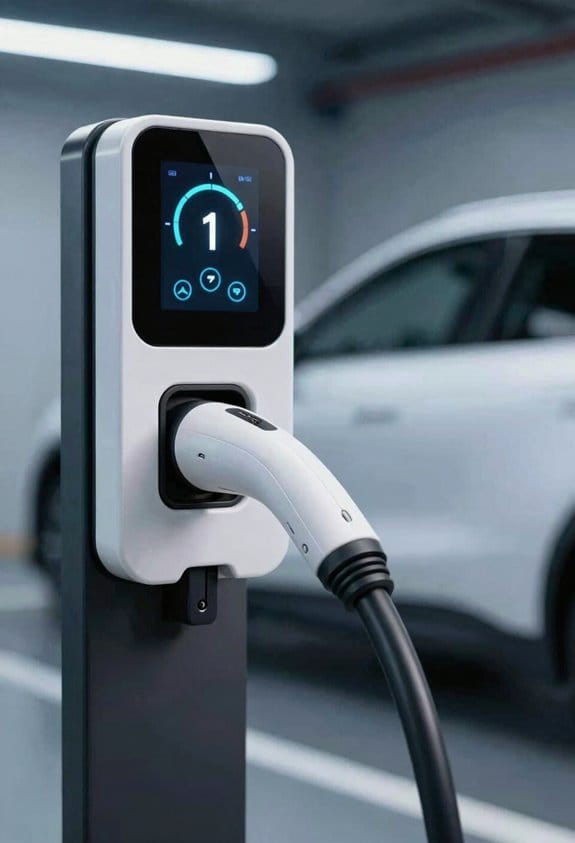
Ever get that knot in your stomach when the range gauge dips and you’re not sure if you’ll make it to the next charger? I’ve been there, and the good news is you don’t have to live with that worry.
When you pair real‑time charge data with GPS, the system can tell you exactly how many miles you’ve left and suggest routes that keep you safe. It updates on the fly, so the estimate changes as you drive. That way you never have to guess what your range really is. The prediction even takes hills and speed into account, giving you a realistic mileage figure.
Here’s the trick:
- Look at the on‑screen range bar before you head out.
- Turn on automatic updates; the system will recalc every minute.
- Follow the suggested routes that keep a 10‑mile safety margin.
- The model learns from your past trips.
- It alerts you when a steep climb will cut range.
- You can set a low‑range warning.
Frankly, these steps cut anxiety and keep trips smooth. You’ll notice the difference the first time you try them.
What do you think—ready to give your range a confidence boost?
Recommended Products

【Top-Flight Performance 】The 51.2V 100Ah liFePO4 battery is manufactured by 16Pcs Automotive Grade A grade prismatic cells with higher energy density, more stable performance & greater power. And has a compact 5.12kWh energy, which is equivalent to 4pcs 12V 100Ah LiFePO4 batteries in 4S (or even 8pcs 12V 100Ah AGM batteries in 8S). Fully compliant with the UL1973 safety standard and certified by Intertek ETL for reliable safe operation.

This product is not a DIY product. This sensor must be programmed and installed by an experienced, trained technician with a compatible tool (see compatibility list below). Ensure that your TPMS tool has the latest software update.

⚡【Upgraded High-Quality Grade A Cells】The MFUZOP 51.2V 314Ah LiFePO4 battery uses Grade A lithium iron phosphate cells, offering higher energy density, more stable performance, and stronger power output. It features a built-in 200A Battery Management System (BMS) that provides comprehensive protection, extends battery lifespan, and ensures safe operation. Additionally, it supports parallel connection of up to 15 batteries, allowing the total capacity to reach up to 241 kWh.
Save Money With Off‑Peak Charging and Smart Maintenance
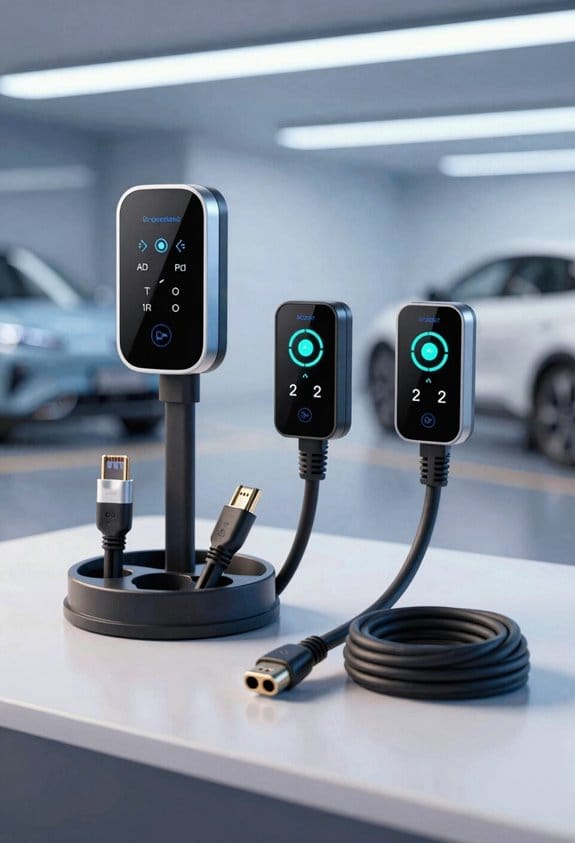
Ever notice how your electric‑car bill spikes after a long weekend drive? It’s easy to blame the car, but the real culprit is often when you charge it. If you shift that charging to off‑peak hours and keep up with simple upkeep, you can trim a good chunk off your expenses.
Off‑peak rates follow a time‑of‑use schedule that makes electricity cheaper at night. Plugging in after dinner lets you fill the battery when prices dip, saving up to 30 % on charging bills. Smart maintenance adds more savings. By tracking wear and performing preventative maintenance, you avoid costly repairs later.
Tips to save money
- Set a timer for night charging.
- Check your utility’s time‑of‑use plan.
- Inspect tires and brakes monthly.
- Use the car’s health alerts for early service.
- Keep the battery level between 20 % and 80 % when possible.
These steps cut energy and repair expenses.
Frankly, the biggest win comes from just being a little more mindful about when you plug in. The difference between a 2 kW night rate and a 4 kW daytime rate adds up fast, especially if you charge every night. And those quick monthly checks? They catch tiny issues before they turn into pricey fixes.
Worth knowing: a simple timer or a smart‑plug can automate night charging, so you don’t have to remember each evening. Likewise, most EVs will ping you when the battery health drops or when brake pads need attention—don’t ignore those alerts.
Give it a try and watch your monthly numbers shrink. Ready to start saving?
Recommended Products
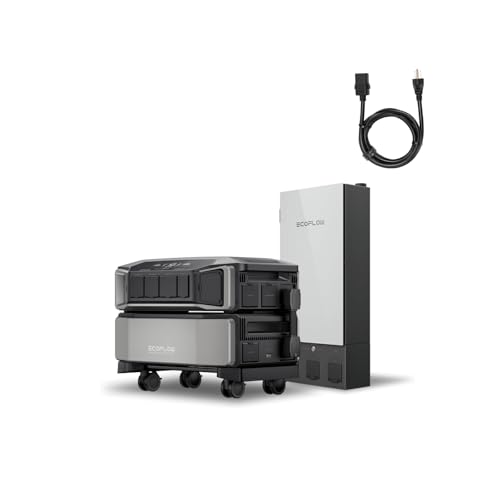
One Powers All. The unit of DELTA Pro Ultra whole house generator includes an inverter and a battery. One inverter supports 120V & 240V and has an exceptional 7200W output, allowing you to run almost any heavy household appliance, even a 3-ton central air conditioner. For more power, pair 3 inverters with the EcoFlow Smart Home Panel 2 to unlock a 21.6kW AC output. Its X-Fusion feature ensures a constant 7200W output no matter what.

𝐂𝐚𝐥𝐢𝐟𝐨𝐫𝐧𝐢𝐚 𝐑𝐞𝐬𝐭𝐫𝐢𝐜𝐭𝐢𝐨𝐧: Smart Generator not available in CA. For CA customers, explore E10 battery & solar solutions.

30% Tax Credit Could be Applied. You could apply for the Residential Clean Energy Credit for qualified solar electric property costs. Please check with your utility to verify eligibility & requirements for Residential Clean Energy Credit programs.
Finding and Scheduling Charging Stops for Optimal EV Range
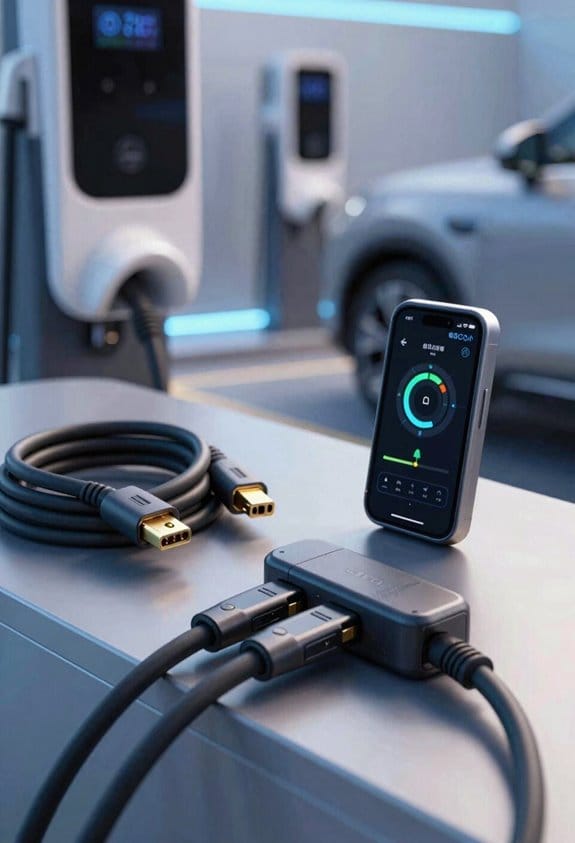
Ever felt stuck on a long drive, watching the battery dip while the miles keep piling up? That’s why I always map out my route before I hit the road and pin every charging spot I might need.
I start with a quick glance at the map, then I use a dynamic routing app that tweaks the path as traffic shifts or the battery level changes. This way I stay inside my charge windows and dodge those dreaded long waits.
Identify stations that fit our charge windows.
Choose stops with fast chargers for quick top‑ups.
Align each stop with the vehicle’s remaining range.
Check real‑time availability before you pull in, and aim for stations near rest areas or food courts so you can stretch your legs. Keep a buffer of 10‑15 % State of charge after each stop—just in case.
Frankly, I’ve learned that a little planning saves a lot of stress. Worth knowing: a small buffer lets you handle unexpected detours without panicking.
Recommended Products

Limited-Time Perks: E10 Metal Pad, Up to 12-Month 0% APR

[All-Scenario Power] - Apex 300 (2764.8Wh, 3840W) keeps homes lit, RVs rolling & off-grid sites running. Parallel 2-3 units (5.5-8.3kWh), expand to 58kWh with B300K. Never powerless.

Enlarged Capacity From 3.84kWh: Anker SOLIX F3800 has 3.84kWh to power your family's needs for one day. If that's not enough, add up to 6 battery packs to expand capacity to 26.9kWh. For extreme situations, add another Anker SOLIX F3800 and 12 battery packs for enough power for two weeks.
EV Driving‑Behavior Analytics for Safer, Greener Vehicles
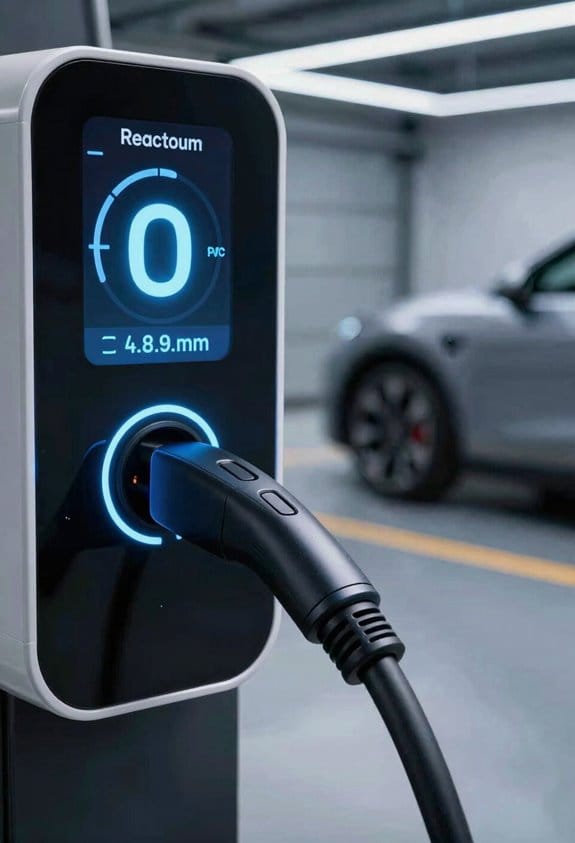
Ever notice how quiet an electric car can be, yet you still have to watch your driving habits to keep it safe and efficient? I’ve been testing a few simple tricks that really make a difference, and I want to share them with you.
Driver coaching
- Real‑time alerts let you know the moment you slam the accelerator.
- Weekly reports point out patterns and suggest smoother starts.
Regenerative braking
- The system tracks how often you let the car slow down on its own.
- Gentle braking gets rewarded, which pulls more energy back and cuts down on wear.
Safety benefits
- Fewer sudden stops mean a lower chance of a crash.
- Keeping a steady speed helps the battery stay at a stable temperature.
Greener driving
- Smooth inputs boost the amount of energy you can capture through regen.
- Less waste translates to a longer range on each charge.
Try this: Pay attention to the alerts and adjust your footwork a bit each day. Over a week you’ll see the reports reflect a calmer driving style, and the battery will thank you with a bit more mileage.
Your EV can be both safer and greener—just a few mindful habits away. Ready to give it a go?
Frequently Asked Questions
How Does Weather Affect My Ev’s Battery Health Over Time?
We’ve seen cold degradation speed up when temperatures dip, so our thermal management system keeps the pack warm, preventing capacity loss and extending overall battery health over time.
Can I Integrate Third‑Party Solar Panels With My Ev’s Charging System?
We can hook your solar panels to the EV, thanks to solar compatibility and inverter communication; just make sure the charger supports DC‑to‑AC conversion, follow the manufacturer’s wiring guide, and you’ll enjoy clean, cost‑saving power.
What Data Security Measures Protect My Vehicle’s Real‑Time Location?
We protect your real‑time location with encrypted telemetry and strict access controls, ensuring data stays private, only authorized apps or services can read it, and any transmission is securely encrypted end‑to‑end.
Do Energy‑Monitoring Features Impact My Ev’s Warranty Coverage?
We can assure you that energy‑monitoring features typically don’t void warranties, but we recommend reviewing warranty implications and any monitoring exclusions in your contract to avoid unexpected coverage gaps.
How Are Battery Recycling Metrics Reported to Owners?
We’ll tell you that recycling metrics are shared through clear dashboards, offering recycling transparency and circular incentives, so you can easily see how your battery’s life cycle supports sustainable reuse and responsible stewardship.