As an Amazon Associate, we earn from qualifying purchases. Some links on this site are affiliate links at no extra cost to you. Our recommendations are based on thorough research and editorial judgment.


How Daily Charging Routines Shape Home Charger Demand

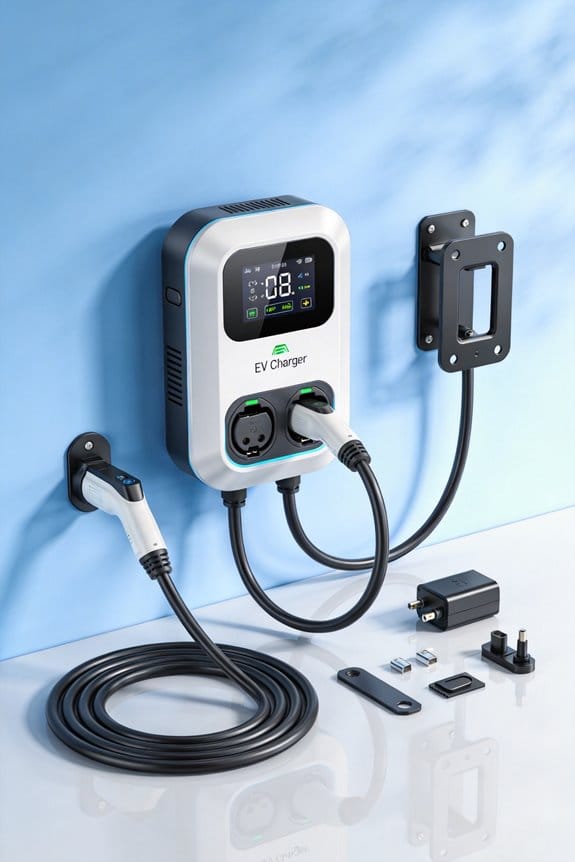
We charge our EVs each night at 10‑80 % using a Level‑2 home charger, so demand rises for affordable, low‑heat units that can be timed. Smart chargers let us start after 10 p.m., cut electricity costs, and avoid fast‑charge stress. Portable or bidirectional models suit renters or backup needs, while CCS/NACS adapters keep compatibility simple. Incentives and rebates lower upfront price, making home charging a practical daily habit. Continue to see how these choices shape future demand.
Key Takeaways
- Regular 10‑80% daily charging reduces battery stress, encouraging owners to prefer Level‑2 home chargers for gentle, overnight top‑ups.
- Scheduling charging to off‑peak hours (after 10 p.m.) cuts electricity costs, driving higher adoption of smart home chargers with programmable timers.
- Home charger demand rises when users avoid frequent fast‑charging, opting for slower Level‑2 units that maintain battery health and lower heat generation.
- Portable and bidirectional chargers gain popularity among renters and those seeking backup power, expanding overall home‑charging market segments.
- Incentives such as tax credits, utility rebates, and low‑interest loans lower upfront costs, boosting the uptake of home‑charging installations.
Why Home Charging Still Matters for EV Owners?
You may be interested

Ever find yourself scrambling for a public charger after a long day? You’re not alone. Most of us still count on home charging to get through the week, and it’s easy to set up a routine that keeps your car ready without any extra hassle.
Plug in after work.
Use a Level‑2 charger.
Charge to 80 % before sleep.
Why it matters:
- No need to hunt for a public station.
- Lower electricity rates at night.
- Consistent charging adds to battery health.
Tips:
- Keep the charger in the garage.
- Check the outlet’s amperage.
- Use a timer to start charging at off‑peak hours.
These steps let you stay charged, save time, and keep costs low.
Frankly, the biggest win is the peace of mind you get when you wake up to a full battery without any extra trips.
Try this: set a simple reminder on your phone to plug in as soon as you walk through the door. It takes a few seconds, but it makes the whole day smoother.
What’s your favorite home‑charging hack? Let’s hear it!
How Keeping Your Battery 10‑80% Extends Life?
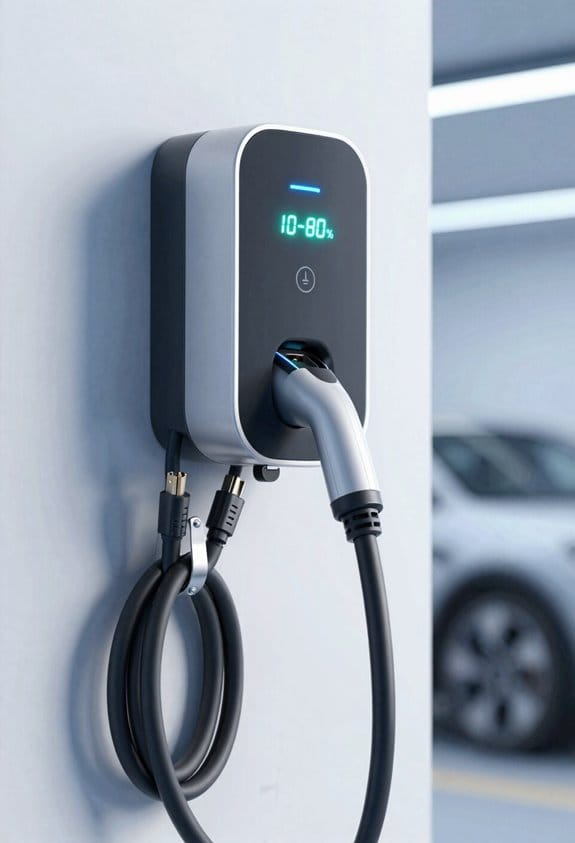
Ever notice how your EV’s range seems to shrink after a few months? I’ve been there, and the fix is surprisingly simple: keep the battery between 10 % and 80 % most of the time. It cuts down stress on the cells and helps the pack hold its charge longer. Here’s why it works:
- Charge windows – Staying in the 10‑80 % zone avoids the high‑voltage strain that speeds up wear.
- Partial charging – Small top‑ups keep the battery in a healthy sweet spot.
- Thermal management – Lower charge levels produce less heat, so the cooling system doesn’t have to work as hard.
- Use a home charger that lets you set a target limit.
- Stop charging when the battery hits 80 % to prevent over‑charging.
- Avoid letting the battery drop below 10 % for long periods.
Frankly, these habits add up. You’ll notice the range staying steadier and the car feeling more reliable over the years. Worth knowing: a little extra attention now can save you a lot of hassle later.
Give it a try and see how your EV behaves. Ready to give your battery a longer life?
What Overnight Level‑2 Charging Saves You on Public Fees?
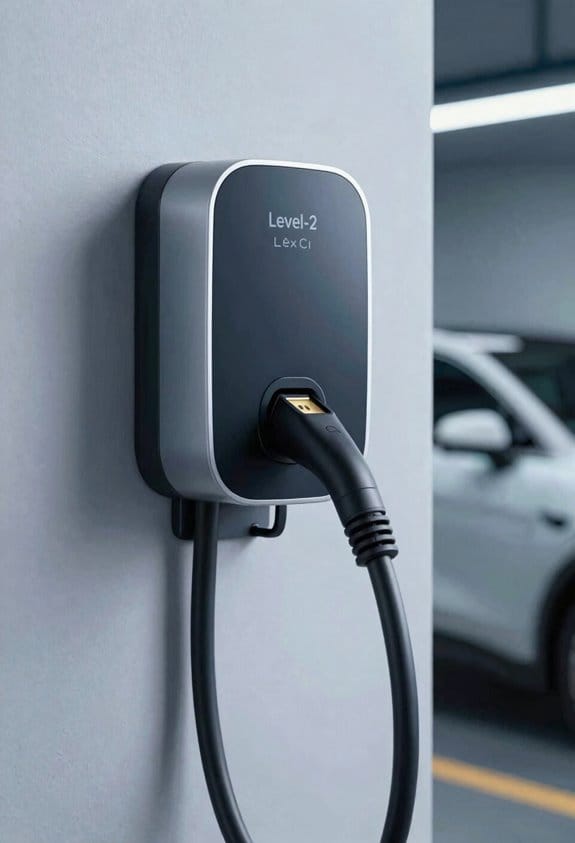
Ever found yourself stuck at a public charger, watching the clock tick and the meter run up? That feeling of paying extra just to keep your car moving can be a real buzzkill. Plugging your EV into a Level‑2 home charger overnight can slash those fees and keep your wallet a bit happier.
Benefits
- Lower cost per kWh – overnight tariffs cut the price by 30‑50 %.
- No per‑session fees – public chargers often charge a flat fee each time.
- Predictable expense – you pay a steady electricity bill instead of variable public rates.
Tips
- Set the charger to stop at 80 % to match manufacturer advice.
- Schedule charging to start after 10 pm to capture the cheapest tariff.
- Monitor the bill monthly to confirm savings.
Frankly, you’ll notice the difference the first month you make the switch. Try this: plug in right after dinner and let the charger do its thing while you’re asleep. Your car will be ready for the morning rush without the surprise extra charges.
What’s the best part? You avoid the hunt for a paid station and still get a full charge for less. Ready to give your EV a cheaper, easier night‑time routine?
Recommended Products

Energize Almost Everything. The EcoFlow DELTA Pro 3 supports 120V/240V voltage and has a 4000W output (6000W with X-Boost, scalable up to 12000W), powering nearly all essential home appliances, such as a 3-ton* central AC or a 1 HP water pump.
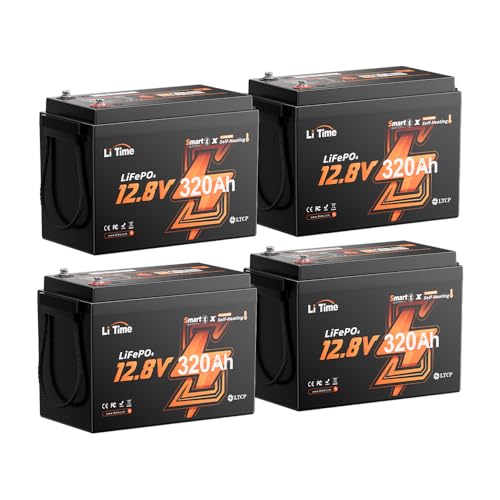
2 Upgraded Heating Modes: 12V 320Ah Mini Self-Heating Battery comes with Regular and Energy-Efficient options. Regular mode activates heating below 41℉(5℃) when charged, stops at 50℉(10℃) to begin charging—suits cold-weather needs.

Easily Scales Up. Adapt power to your lifestyle with expandable capacity from 3kWh to 11kWh. Add extra batteries to cover multi-day blackouts, RV living, or extended outdoor trips. Flexible, future-proof design grows with your needs—no compromises.
Which Home‑Charger Type Fits Your Lifestyle Best?
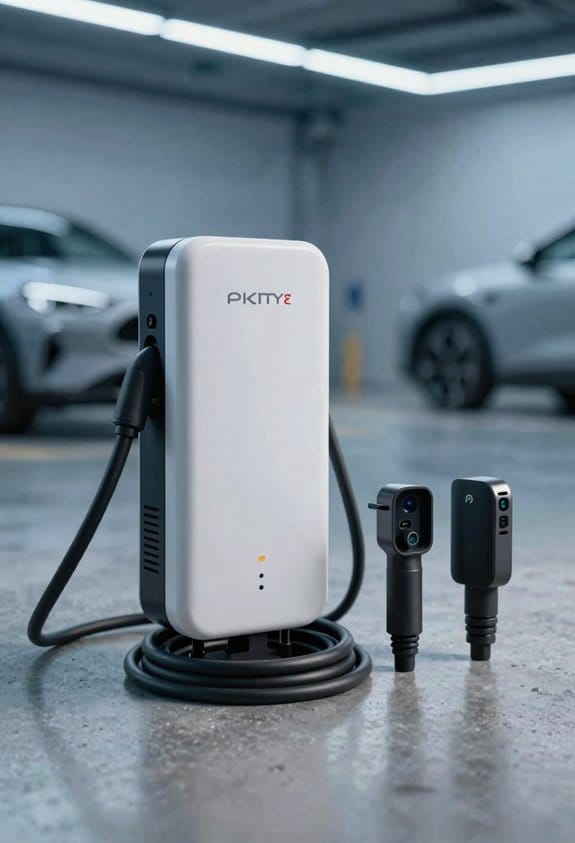
Ever wonder why your electric car still feels like a hassle at home? The truth is, picking the right charger can make or difference between a smooth morning and a stressful scramble for power.
Recommended Products

🔋 This charger is manually amperage adjustable from 50-Amps, 48, 40, 32, 30, 28, 25, 12 Amps Modes with front button selection provides upto 12KWh power up to 10X Faster charging (compare the the Factory provided 110V Charger). 📱 LONGER CORD OPTIONS & INTELLIGENT CHIP — Intelligent chip automatically provides the requested amperage from your EV.

FAST CHARGING: Pulsar Plus EV Charger is 9x faster than portable basic chargers, providing up to 45 miles of range per hour, depending on the electric vehicle. It provides up to 11.5 kWh and adjustable current intensity.

Level‑2 wallbox
Best for regular drivers who park at home every night. It restores about 80 % of a charge in 4–6 hours, so you’re ready to go when you need to.
- Fixed installation.
- Cost‑effective for daily use.
Portable chargers
Ideal for renters or anyone who needs flexibility. You just plug it into a standard outlet and move it whenever you like.
- Lower power.
- Easy to store.
Bidirectional units
Suit tech‑savvy owners who want vehicle‑to‑home power. They can discharge stored energy during outages, giving you a backup plan you didn’t know you needed.
- Higher upfront cost.
- Requires compatible inverter.
Try this: match the charger to your parking spot, driving frequency, and budget. If you park at home every night, a wallbox will probably be the simplest choice. If you’re hopping between apartments, a portable unit keeps you covered. And if you love the idea of using your car as a backup generator, a bidirectional unit is worth the extra spend.
Which setup feels like it fits your daily routine? Let’s get you charged up without the guesswork.
How Government Incentives Make Home Chargers Affordable?
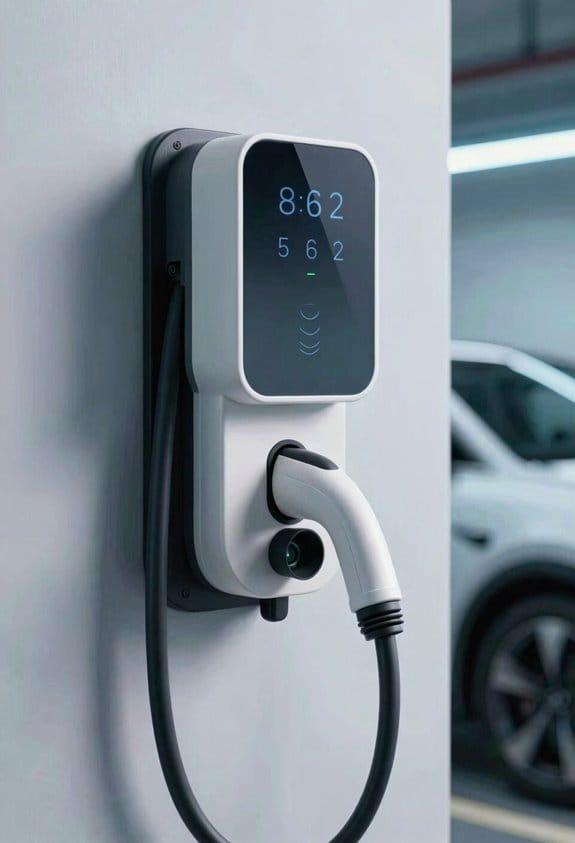
Ever wonder why your electric‑car charger still feels pricey? You’re not alone—many families hit the same snag until they discover the money‑saving tricks that governments and utilities are rolling out.
Tax credits – File them with your yearly taxes. They knock down your taxable income dollar for dollar, often covering about 30 % of the charger’s price tag.
Rebates – Send your receipt to the local utility. You’ll get a cash‑back check that usually lands between $200 and $500, right after you prove the purchase.
Low‑interest loans – Look for programs that offer rates under 3 %. Spreading payments over five years keeps the monthly hit low and helps you avoid a big upfront bill.
Bulk discounts – Team up with neighbors or a co‑op. Buying several units at once can trim 10‑15 % off each charger’s cost.
Try this: check your state’s energy portal, sign up for utility newsletters, and ask your installer about any extra offers. Mixing a tax credit with a bulk discount can shave a lot off the final price.
What to watch out for – Some rebates expire quickly, so act soon after purchase. Keep all paperwork organized; you’ll need it when filing taxes or claiming the rebate.
A quick tip – If you have a flexible budget, start with a low‑interest loan to get the charger installed, then claim the tax credit and rebate later. That way you enjoy the convenience right away without waiting for the paperwork.
Bottom line – These incentives can turn a steep expense into a manageable one. Have you checked which programs apply to your area yet?
Recommended Products

INSTALL WITH CONFIDENCE: The Enphase HCS-40 EV Charger, formerly known as ClipperCreek, delivers award-winning durability and reliability. Installation is quick and straightforward—just connect it to a dedicated 40 Amp circuit by any licensed electrician.

AI-POWERED SMART CHARGING & APP CONTROL – This ev charger level 2 uses Autel’s AI-integrated smart app to schedule charging around time-of-use utility rates, helping lower your monthly bill while boosting station utilization. Start or stop sessions remotely, adjust current from low to high amps, view real-time energy data, and get alerts if anything looks off.

Level 2 Charging Performance – Provides up to 50A of power for fast charging; adds approximately 32 miles of range per hour at 40A using a NEMA 14-50 plug.
Why Smart Scheduling Apps Improve Home‑Charger Efficiency?
Ever notice how your electric bill spikes after a long drive, even though you thought you were charging cheap? I’ve been there, and a simple tweak with a smart‑scheduling app can really smooth things out.
Smart scheduling
- Set charging to start at 2 a.m. when rates are cheapest.
- Pause charging if the house reaches a set load limit.
Load balancing
- Apps monitor other appliances and delay EV charging if the total draw is high.
- This prevents overload and reduces wear on the home circuit.
Battery health
- Keeping charge between 10 % and 80 % avoids stress.
- Scheduled stops keep the battery at optimal levels.
Try this: plug the app into your routine, pick the low‑price window, and let it handle the rest. You’ll see smoother power use and lower expenses without lifting a finger.
If you’ve ever felt the sting of a surprise bill, give it a shot. What’s the biggest benefit you’ve noticed after tweaking your charger schedule?
When Rural Power Outages Require Public Backup Stations?
When the lights go out in the countryside, your electric car can feel stranded. Those public backup stations are a lifesaver, giving you a reliable charge when your home power quits. They also help keep the local grid from getting hit with a sudden surge of demand.
What to do:
- Pinpoint the nearest emergency hub before a storm rolls in.
- Keep a portable charger in your car for quick trips.
- Use the hub’s fast‑charging option only when you really need it; don’t let it sit idle for long.
Why it matters:
- Backup stations keep your travel plans on track.
- They stop the weakened grid from overloading.
- They give the whole community a safe, shared resource.
Frankly, you’ll feel more at ease knowing you have a plan. Worth knowing: these hubs are scattered around most rural towns, so a quick map check can save you a lot of hassle. Try this: set a reminder on your phone to refresh the hub locations each season.
Stay mobile, keep the grid stable, and enjoy the peace of mind that comes with being prepared. Ready to add a backup station to your emergency kit?
How NACS Standardization Affects Your Home‑Charger Compatibility?
Ever wondered why your new home‑charger feels a bit off? The NACS plug is showing up everywhere, and it can change the cables and adapters you need. I’ve been swapping chargers for a while, and the shift to NACS is finally hitting residential units. Here’s what you should watch for:
Recommended Products

Self-heating & Low-temp Protection: 12V 320Ah Mini Self-Heating Battery with 2 Heating Modes, Regular mode activates heating below 41℉(5℃) when charged, stops at 50℉(10℃) to begin charging. Prevents cold damage and extend battery life, smart low-temp protection function is stops charging <32°F, stops discharging <-4°F.

Easily Scales Up. Adapt power to your lifestyle with expandable capacity from 3kWh to 11kWh. Add extra batteries to cover multi-day blackouts, RV living, or extended outdoor trips. Flexible, future-proof design grows with your needs—no compromises.

INSTALL WITH CONFIDENCE: Formerly ClipperCreek, the core technology that comes inside every Enphase EV charger has earned its award-winning reputation by delivering industry-leading durability and reliability. Now they're made even better with a 5-year limited manufacturer warranty and 24/7 customer support. This HCS-D50 hardwired home dual electric car charging station comes fully assembled and offers quick installation to a dedicated 50 Amp circuit with any licensed electrician.
1. Check your current charger inlet
- If it’s CCS, you’ll need an NACS adapter.
- If it’s already NACS, no change is required.
2. Verify adapter availability
- Most retailers stock universal adapters now.
- Look for certified units to avoid safety issues.
3. Plan for future upgrades
- Choose a charger that supports both standards if possible.
- Keep spare adapters for guests or second vehicles.
Frankly, the easiest way to stay ahead is to pick a charger that handles both plugs. Worth knowing: keep a spare adapter in your garage so you’re never stuck when a friend drops by with a different EV.
Got any tips of your own? Let me know what worked for you.
What Battery Degradation Means for Your Charger Choice?
Ever wondered why your EV’s range seems to shrink after a few months? It’s not just the miles you drive—how you charge it plays a big role. I’ve learned a few tricks that keep the battery happy without breaking the bank.
First off, a Level‑2 home charger that tops out at 7 kW is a solid choice. It’s gentle enough to avoid overheating, yet fast enough for a nightly top‑up. Set the charger to stop at 80 % on weekdays; you’ll still have plenty of juice for work and errands. On weekends, you can let it hit 100 % if you have a longer road trip planned.
Avoid making fast‑charge a daily habit, especially when the battery’s under 40 % charge. Those quick bursts generate heat, which speeds up capacity loss over time. Keeping the charge level between 10 % and 80 % most days gives the chemistry a chance to stay stable.
Why this works
- Lower power means less heat, and heat is the enemy of battery life.
- Regular 10‑80 % cycles keep the cells from getting stressed.
Try this:
- Pick a Level‑2 home charger that limits max power to 7 kW.
- Program it to stop at 80 % on weekdays and 100 % on weekends.
- Skip daily fast‑charge sessions unless you’re below 40 % state‑of‑charge.
Following these steps should stretch your battery’s life while keeping charger costs reasonable. Ready to give your EV a longer, healthier ride?
What the Future Holds for Home‑Charger Demand?
Ever wonder why your EV feels slower to charge when the house is busy? You’re not alone—many owners juggle cost, convenience, and battery health every day.
Winter brings a spike in heating demand, so a smart charger that can delay charging to off‑peak hours really helps. In the summer, the air‑conditioner can chew up a lot of power, making it smart to keep an eye on your total household draw.
- Vehicle resale value improves when owners show consistent 10‑80 % charging habits.
- Buyers look for homes with installed Level 2 chargers, so we advise installing a future‑proof unit now.
Public charging stations are popping up, but most folks still charge at home. Expect a modest rise in home‑charging share as the network expands, yet the core market stays residential.
Plan for upgrades that support higher power without replacing wiring. These steps keep costs low, protect batteries, and support resale.
Frankly, try this: schedule your charger to start after the evening peak, and you’ll see savings on your bill without sacrificing convenience.
What’s your biggest charging challenge right now? Let’s hear it.
Frequently Asked Questions
Will the Composition Impact The’s Charger Warranty?
We’ll tell you that battery chemistry and connector wear can indeed affect the charger’s warranty, so we recommend monitoring charge depth and using compatible connectors to keep the warranty intact.
Do Different EV Models Require Distinct Home‑Charger Power Levels?
We tell you that different EV models often need distinct home‑charger power levels because charging standards and battery chemistry vary, so we recommend matching the charger’s output to each vehicle’s specifications.
How Does Seasonal Temperature Variation Affect Home‑Charging Efficiency?
We’ve found that colder weather strains battery chemistry and ramps up thermal management, so charging takes longer and efficiency drops; warmer temperatures ease the load, letting home chargers operate nearer peak efficiency.
Can Solar‑Panel‑Powered Home Chargers Reduce Grid Dependency?
Like sunshine on a rooftop, we can cut grid reliance by pairing solar‑panel‑powered home chargers with smart battery integration, boosting solar economics while keeping your EV ready for each drive.
What Insurance Considerations Arise for Home‑Charging Installations?
We recommend checking liability coverage and scheduling installation inspections before you set up a home charger, ensuring policies protect against electrical faults, fire risks, and any third‑party claims that might arise.