As an Amazon Associate, we earn from qualifying purchases. Some links on this site are affiliate links at no extra cost to you. Our recommendations are based on thorough research and editorial judgment.


What Makes an EV Accessory Useful During Long-Distance Travel

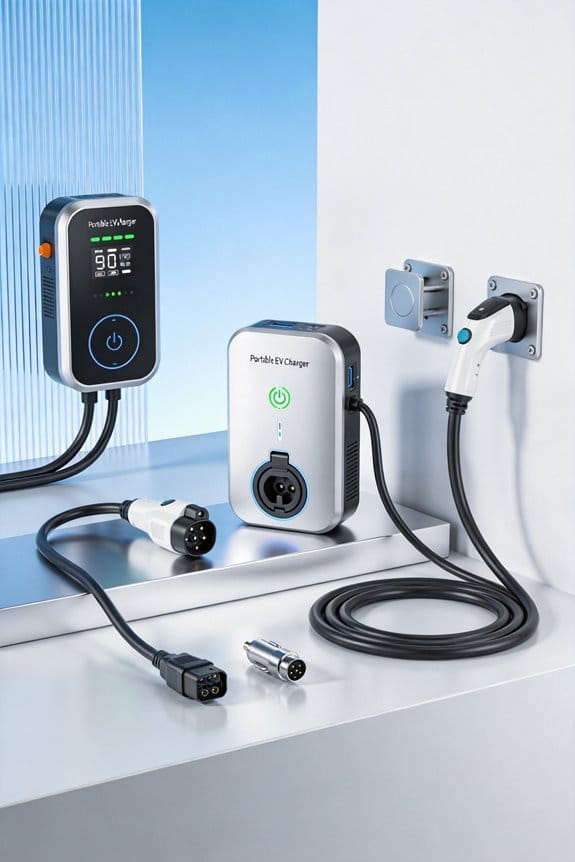
We find an EV accessory useful when it keeps power flowing, protects the car, and makes the drive comfortable. 1) A portable Level‑2 charger or dual‑voltage cable matches the circuit and avoids trips. 2) Adapters like TT‑30, dryer‑outlet, and J1772 extension let us use RV, home, or public plugs safely. 3) A portable power station or inverter supplies phones, laptops, and lights while the car charges. 4) An emergency kit with jumper, flashlight, and fire extinguisher prevents breakdowns. 5) Weather‑proof bags, floor liners, and seat protectors shield gear from rain and dust. 6) Planning routes with these tools guarantees smooth stops and longer trips. Continue and you’ll discover the best combo.
Key Takeaways
- Provides reliable power matching the vehicle’s charging needs while staying within circuit limits to avoid trips.
- Enables flexible outlet compatibility (120 V/240 V, TT‑30, dryer‑outlet) for diverse charging locations.
- Allows safe, convenient vehicle positioning away from traffic using J1772 extensions or adapters.
- Supplies auxiliary power for devices and comfort (solar panels, portable stations, inverters) during charging stops.
- Includes weatherproofing and emergency tools to protect accessories and ensure operation in adverse conditions.
Must‑Have EV Travel Accessories for Long Trips
You may be interested


Ever tried to plan a cross‑country road trip with an EV and felt the anxiety creep in every time you think about charging? You’re not alone. The key is to have the right gear on hand so you can keep the battery happy and the road ahead clear.
Recommended Products
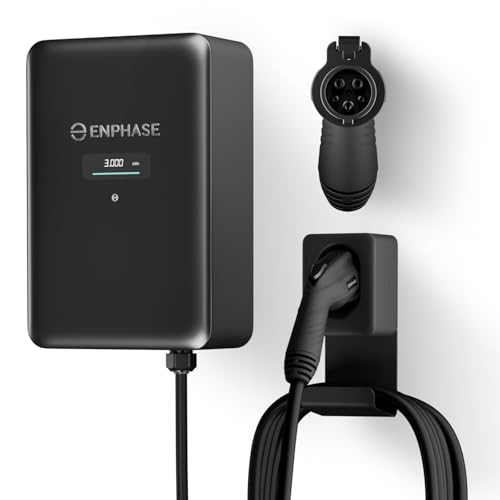
9× FASTER CHARGING: Get faster, smarter EV charging up to 11.5 kW (up to 46 miles/hour). Perfect for overnight charging or quick top-ups.

INSTALL WITH CONFIDENCE: The Enphase HCS-50 EV Charger, formerly known as ClipperCreek, delivers award-winning durability and reliability. Installation is quick and straightforward—connect it to a dedicated 50 Amp circuit by any licensed electrician.

🔋 This charger is manually amperage adjustable from 50-Amps, 48, 40, 32, 30, 28, 25, 12 Amps Modes with front button selection provides upto 12KWh power up to 10X Faster charging (compare the the Factory provided 110V Charger). 📱 LONGER CORD OPTIONS & INTELLIGENT CHIP — Intelligent chip automatically provides the requested amperage from your EV.
Must‑Have EV Travel Accessories for Long Trips
We’ll start with the basics you’ll need for any long‑distance EV trip.
- Portable Level 2 charger – 32 A, fits camping sites and AirBNB stays.
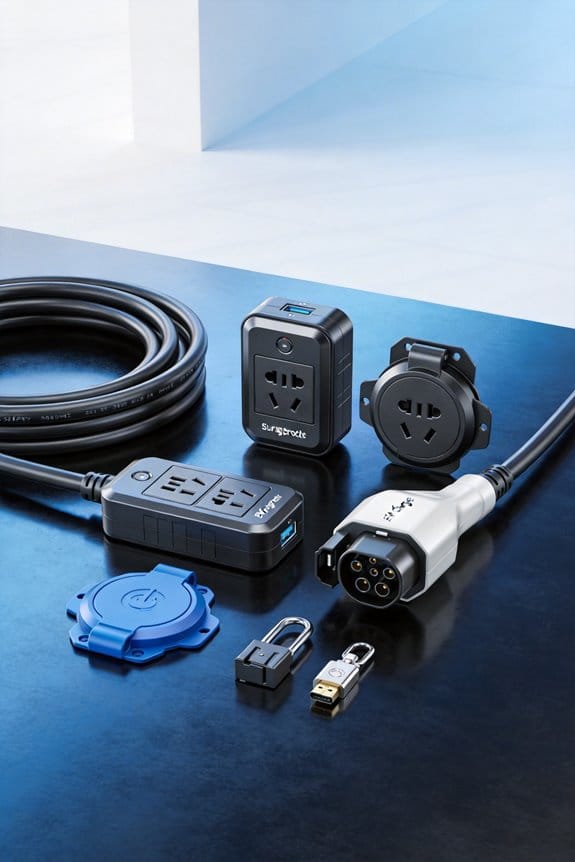
- TT‑30 adapter – plugs into 30 A RV park circuits for reliable power.
- Dryer‑outlet adapter – fits non‑NEMA 14‑50 house outlets in the US.
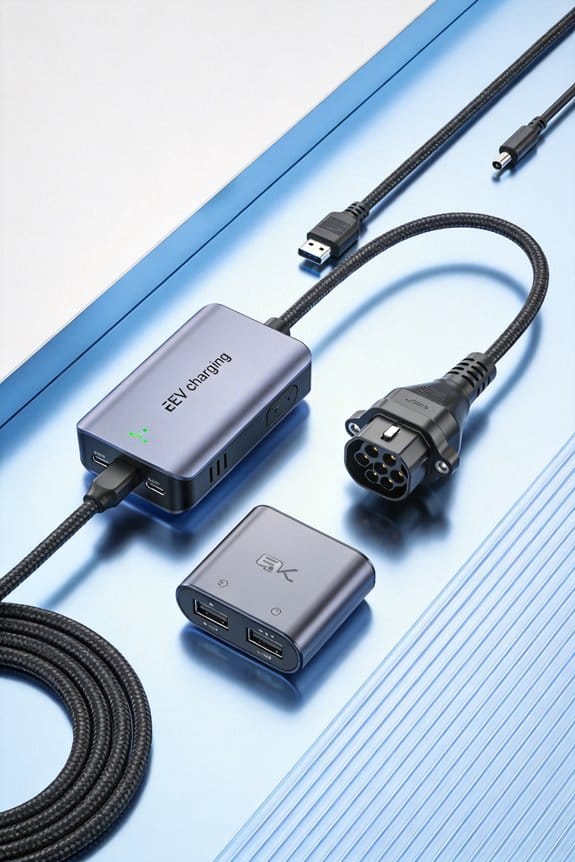
- Dual‑voltage cable – works on 120 V or 240 V NEMA‑14‑50 sockets.
- J1772 extension – 20‑40 ft, up to 40 A, IP66 rated.
Frankly, keeping your battery between 20 % and 80 % on long trips makes a huge difference. It helps avoid the stress of deep discharges and keeps your range more predictable. Real‑world range drops only a few percent at highway speeds, not half of what the brochure claims.
Worth knowing: a good portable charger can turn a 30‑minute pit stop into a quick power boost, especially at a campsite where the outlet is only 120 V. The TT‑30 adapter is a lifesaver if you’re staying at an RV park—just plug in and you’re set.
If you ever wonder whether you need a dual‑voltage cable, the answer is yes. It lets you charge from both 120 V and 240 V sources, so you won’t be stuck hunting for the right socket. And the J1772 extension gives you the flexibility to park farther from the charger while still keeping the cable safe from traffic.
Try this: pack a short extension cord and a small power strip. It sounds simple, but it lets you charge a laptop or a phone while the car tops up, keeping everyone’s devices alive.
The next time you hit the road, you’ll feel more confident knowing you’ve got the right tools. Ready to make your next EV adventure smoother?
Compare EV Travel Accessory Power Specs (Amps, Voltage, Wattage)
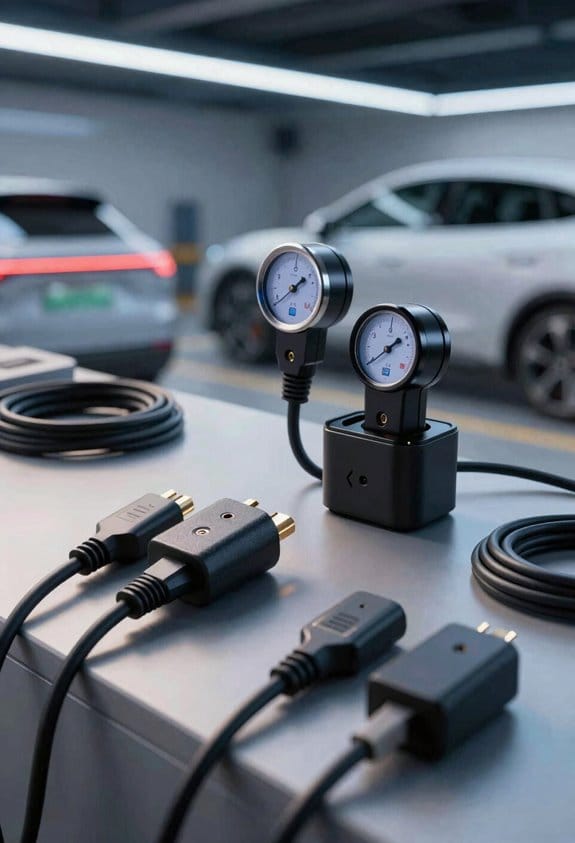
Ever found yourself stuck at a campsite, wondering which charger will actually keep your EV rolling without frying the circuit? Let’s break down the numbers so you can pick the right gear for the road ahead.
- Portable Level‑2 charger – 32 A, 240 V, 7.7 kW. It draws a modest current for a steady charge, and the higher voltage means you stash more energy each hour.
- TT‑30 adapter – 30 A, 120 V, 3.6 kW. Perfect for typical RV parks; the lower wattage keeps the battery from getting stressed.
- Dryer outlet adapter – 40 A, 240 V, 9.6 kW. This one pumps a lot of power fast, great when you need a quick top‑up.
- Dual‑voltage cable – 16 A, 120 V/240 V, up to 3.8 kW. Switches between voltages easily, and the lower amperage helps preserve battery life.
- J1772 extension – 40 A, 240 V, 9.6 kW. Gives you extra reach while delivering the same high‑power charge as a Level‑2.
Fair warning: matching amperage and wattage to your itinerary stops you from over‑loading the system and keeps energy use efficient.
Worth knowing: the higher the voltage, the more energy you can store per hour, but you also need a circuit that can handle the current. If you’re at a spot with only a 120‑V outlet, the TT‑30 or dual‑voltage cable will be your go‑to. For a quick charge at a campground with a dryer outlet, the dryer adapter or J1772 extension will get you back on the road fast.
Think about how long you’ll stay at each stop. A short layover might only need the TT‑30, while a longer stay with a full‑size outlet lets you use the portable Level‑2 or J1772 extension for a deeper charge. Keep an eye on the charger’s rating and the circuit’s capacity—mixing a 40‑A device with a 15‑A circuit is a recipe for tripping breakers.
By lining up the right amperage with your travel plan, you’ll avoid those frustrating power hiccups and keep your EV ready for the next mile.
Ready to match your charger to the road ahead?
Recommended Products

Dual Charging on a Single Circuit: Charge two EVs simultaneously with the HCS-D40’s dual-port design, delivering 32 Amps to one vehicle or 16 Amps to two vehicles, minimizing the need for costly electrical upgrades.

Power Output: 32 Amp, 240V Level 2 charging, ideal for efficient charging in commercial/public environments. 20% to 80% in 8 hours for most EVs (Depends on Battery Size).

AI-POWERED SMART CHARGING & APP CONTROL – This ev charger level 2 uses Autel’s AI-integrated smart app to schedule charging around time-of-use utility rates, helping lower your monthly bill while boosting station utilization. Start or stop sessions remotely, adjust current from low to high amps, view real-time energy data, and get alerts if anything looks off.
Choose Adapters & Extension Cables for RV, Home, and Public Chargers
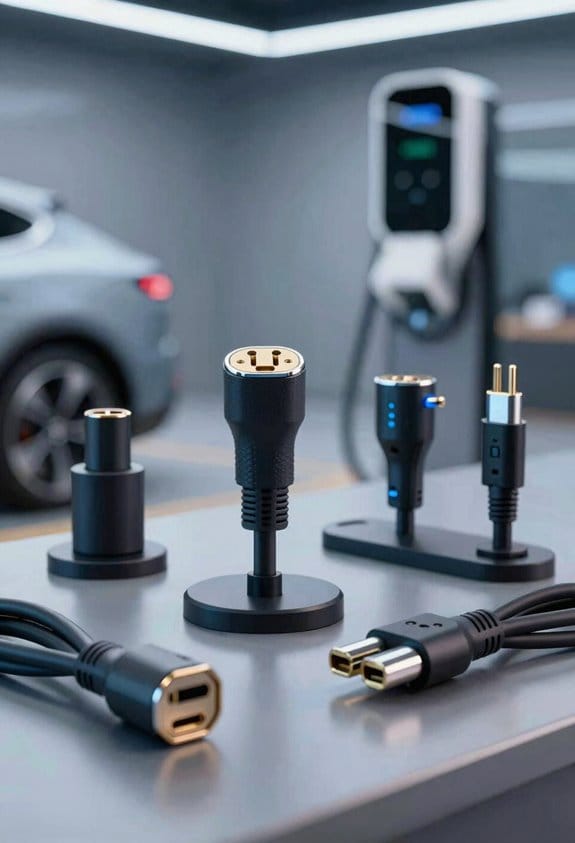
Ever tried to plug your EV into a park’s RV outlet and wondered why it won’t charge? The right adapter or extension cable can make all the difference between a smooth charge and a frustrating wait.
RV adapters – A TT‑30 adapter is the go‑to for 30‑amp RV circuits. It fits the park’s standard plug and keeps the current in check, so you don’t risk a tripped breaker.
Home extensions – If you have a NEMA‑14‑50 outlet in your garage, a dryer‑outlet adapter works great. Pair it with a dual‑voltage cable that handles both 120 V and 240 V, and you’ll be ready for any charge speed your car supports.
Public chargers – I always carry a J1772 extension cable, about 20‑40 ft long, IP66 rated, and good for up to 40 A. It’s handy when the station’s plug is a few feet away from your car.
Frankly, you should always double‑check the amperage limits before you plug anything in. Keep your cables dry and stash them in a weather‑proof bag when you’re on the road. A quick visual inspection of the connectors before each trip can catch wear before it becomes a problem.
Worth knowing: Verify that the cable’s rating matches the charger’s output, and never force a plug that feels tight. A loose connection can cause overheating, and that’s something you definitely want to avoid.
If you’re setting up at a park, a garage, or a public station, these tips should keep your charging safe and efficient. Ready to charge without the hassle?
Deploy Portable Power Solutions for Non‑EV Devices on the Road
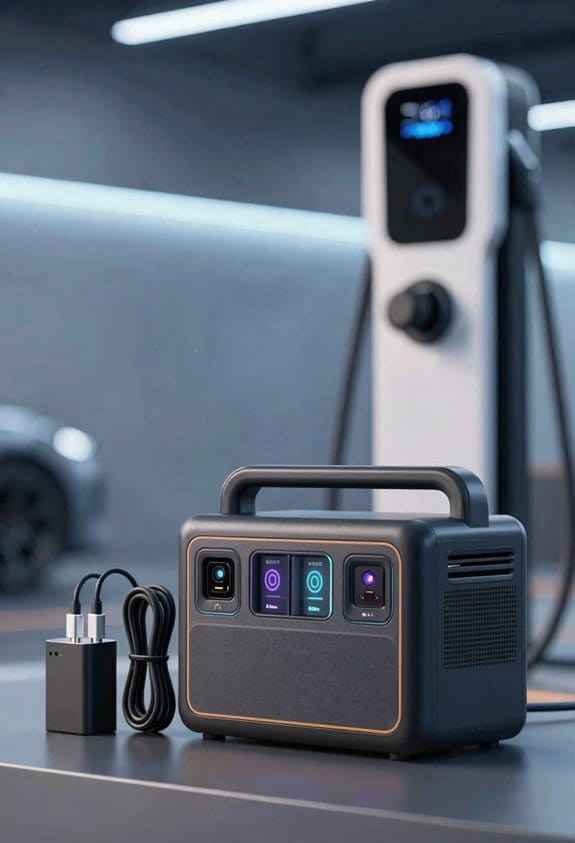
Ever find yourself on a long road trip, hunting for an outlet while your phone, GPS, and portable speaker all scream for power? You’ve probably tried a few quick fixes, but they never quite cover everything you need. Below is a down‑to‑earth list of gear that fits in a car trunk, charges fast, and keeps your non‑EV devices humming all the way to the next stop.
Recommended Products

6,300 Watt Maximum AC Output/5,500 Watt Rated AC Output

𝐍𝐨𝐭𝐞: 𝐓𝐡𝐞 𝐇𝐨𝐦𝐞𝐏𝐨𝐰𝐞𝐫 𝟑𝟎𝟎𝟎 𝐝𝐨𝐞𝐬 𝐧𝐨𝐭 𝐬𝐮𝐩𝐩𝐨𝐫𝐭 𝐩𝐚𝐫𝐚𝐥𝐥𝐞𝐥 𝐜𝐨𝐧𝐧𝐞𝐜𝐭𝐢𝐨𝐧 𝐨𝐟 𝐭𝐰𝐨 𝐮𝐧𝐢𝐭𝐬.

This 3000 Watts 48V hybrid Solar Wind Backup Power Kit help you to generate power for remote areas in all seasons and save energy. a good choice for both residential & commercial use. 1000w wind turbine can provide power throughout the night, combined with solar panels can augment the charging capabilities of your battery.
Solar chargers
Foldable panels that you can clip to the roof or set up on a stand. They give a steady trick of watts for phones and tablets, so you don’t have to chase a plug at the campsite. No fuel, no noise—just sunlight turning into power.
Portable generators
Small gasoline or dual‑fuel units that deliver 120 V AC for bigger items like mini‑fridges or power tools. A full tank can keep you going for hours, and most models include safety shut‑off features to avoid overloads.
Car power inverter
A simple box that changes your car’s 12 V DC into 110 V AC. You’ll get a couple of regular outlets plus USB‑C ports, and it works while you drive, so you never have to stop for a charge.
Portable power station
Battery‑based units that you can recharge with solar panels or a regular AC outlet. They’re perfect for laptops, lights, and any device that needs a reliable backup. Light enough to move around, and they run silently.
Try this: Pack these items before you leave, give each a quick test at home, and make a note of how much fuel or sunlight you’ll need at each planned stop. That way you won’t be caught off guard when the next mile rolls in.
Frankly, the best setup is the one that matches your travel style. If you’re camping in remote spots, lean on solar and a power station. If you need serious power for a fridge or a small heater, a compact generator is worth the extra weight.
Worth knowing: Keep a spare set of cables and a small fire extinguisher for the generator—safety first, especially when you’re far from help.
Pack Emergency Gear to Prevent Breakdowns and Stay Safe
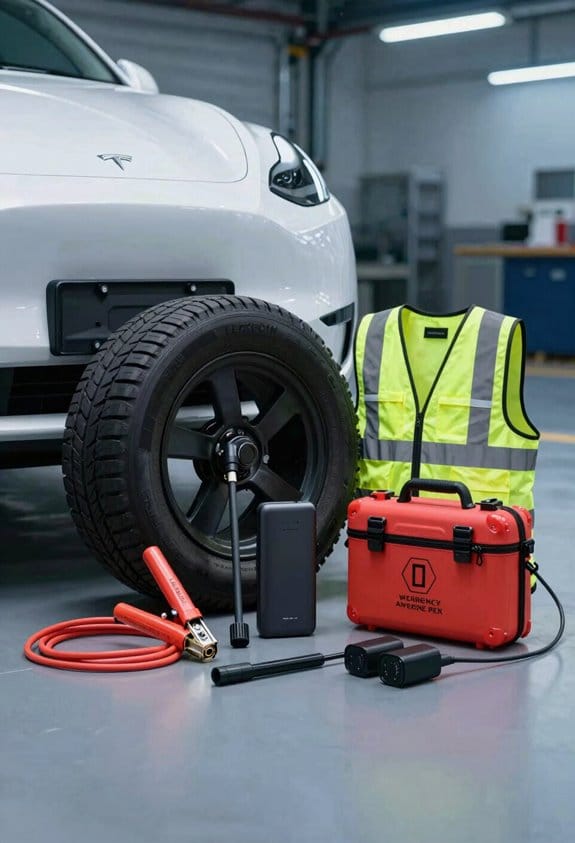
Ever found yourself stuck on a quiet highway with a dead battery or a flat tire, wishing you’d packed something smarter? I’ve been there, and after a few close calls I finally got a kit that really covers the basics without weighing you down.
Jump starter & tire inflator – A compact unit that can revive a dead 12 V battery and pump up a flat tire in minutes. It’s a lifesaver when you’re far from a service station.
LED flashlight with SOS strobe – Bright enough to see under the hood and to signal for help after dark. The strobe mode is a simple way to get attention without shouting.
Signal flares – A few small flares give you a visible warning if you’re stranded on a dark road. They’re cheap, easy to store, and work even when your phone’s dead.
Battery seals – Slip these on your car’s battery terminals to keep out moisture and dust. A clean connection means a longer battery life and fewer surprise failures.
First‑aid kit – Pack bandages, antiseptic wipes, and a couple of pain relievers. You never know when a small cut or a headache will pop up on a long drive.
Multi‑tool – Look for one that has pliers, a few screwdrivers, and a sturdy knife. It’s perfect for tightening a loose bolt or cutting a strap in a pinch.
I keep the whole thing in the trunk, strapped down so it doesn’t roll around. Every six months I give the kit a quick once‑over and toss out anything that’s past its date. That simple habit cuts down the chance of a breakdown and gives you peace of mind.
Worth knowing: a well‑organized kit not only saves time but also helps you stay calm when something goes wrong. You’ll feel more in control, and that’s half the battle.
Do you already have a kit, or are you starting from scratch? Either way, a quick check of these items can make a big difference on your next road trip.
Add Comfort Electronics That Work With EV Chargers
Ever find yourself stuck at a charging station, phone dead and boredom creeping in? I’ve learned a few tricks that make those minutes feel like a mini‑break instead of a wait.
Plug in a tablet or laptop while you charge, and you’ll have entertainment and work tools ready for every stop. We recommend devices with preloaded entertainment so you won’t need streaming at each charger. Pair them with a portable headphone stand to keep earbuds tidy and ready.
Power hub – Use a car inverter or V2L adapter that supplies 110 V AC and USB‑C ports.
Device charger – Choose a multi‑port USB car charger with 2 A or higher output.
Audio setup – Bring a portable headphone stand; it fits in the cup holder and prevents damage.
Backup power – Carry a small power station for longer sessions.
These items let us work, watch movies, or listen to music while the battery fills, keeping the trip smooth and productive. Frankly, a little planning turns a charging stop into a productive pause. Try this: keep a small basket in the car for all your chargers and cords so you never scramble for a plug.
Now you can roll into any station, plug in, and get back on the road feeling refreshed. Ready to make your next charge a breeze?
Use Practical EV‑Specific Essentials to Protect Vehicle & Gear in Any Weather
Ever found yourself stuck on a road trip, rain pouring down, and wondering if your EV’s interior will survive the journey? I’ve been there, and a few simple tricks have saved my gear more than once.
Weatherproof covers – Slip a cover over the charger port and any exposed electronics. It blocks rain, snow, and dust, so you won’t have to worry about moisture getting into the connectors.
Floor liners – Toss heavy‑duty liners into the trunk and cabin. They catch mud, water, and salt before they soak the carpet, keeping the floor clean and dry.
All‑weather seat protectors – Grab breathable, water‑resistant covers for your seats. They keep upholstery dry and clean, even when you’re shuttling through a storm.
Cargo tarp – Stretch a tarp over rooftop racks or bike mounts. It shields your gear from wind and precipitation, so nothing gets soaked on the roof.
Portable dry bag – Pack chargers, cables, and small tools inside a sealed bag. The dry bag stops moisture from ruining your accessories, no matter the forecast.
These items are cheap, easy to install, and work in any climate. They keep the EV interior and accessories dry, extending their life on long trips.
Try this: keep a spare set of covers and liners in the glove box so you can swap them out quickly if the weather turns.
Fair warning: skipping these basics can lead to costly repairs and a soggy ride.
What’s the most annoying weather‑related mishap you’ve faced on an EV road trip?
Plan Routes and Stops With the Optimal EV Accessory Combo
Ever found yourself stuck at a charging stop, wondering if you packed the right gear? Planning ahead can save you a lot of wasted miles and keep your road trip flowing.
Plan Stops
- Mark Level‑2 and DC‑fast sites on a map.
- Group sites by 30‑minute driving windows.
Select Accessories
- Bring a TT‑30 adapter for RV parks.
- Pack a dryer‑outlet adapter for 14‑50 home plugs.
- Carry a dual‑voltage cable for 120 V/240 V flexibility.
Prepare Power
- Use a portable power station for non‑charging breaks.
- Connect a car inverter for small appliances.
Frankly, when you line up your stops with the right adapters, you’ll spend less time hunting for a plug and more time enjoying the ride. Worth knowing: a quick glance at the charger map before you leave can reveal clusters of fast chargers that fit right into your 30‑minute windows.
Try this: pull up your route on a phone app, add a note for each stop about which accessory you’ll need, and keep the adapters in a dedicated pocket. That way you won’t have to scramble when you pull in.
Frequently Asked Questions
Do EV Accessories Affect My Vehicle Warranty?
We’re saying yes, accessories can impact warranty, but only if they’re not dealer‑approved installations; warranty transferability stays intact when you stick to certified gear, so we recommend checking with your dealer first.
Can I Use a Single Adapter for Both RV and Home Outlets?
We can use a single adapter for both RV and home outlets, but we must verify RV compatibility and guarantee Adapter safety by checking amperage ratings, plug types, and proper grounding before plugging in.
What’s the Best Way to Protect Accessories From Extreme Heat?
We recommend using heat‑resistant storage with thermal insulation; keep accessories in insulated cases, shade them, and avoid direct sun exposure, so they stay cool and functional throughout your long trips.
Do Portable Power Stations Need Special Ventilation While Charging?
Do we need ventilation? Yes—portable power stations should charge in a well‑ventilated area or a charging enclosure to disperse battery offgassing, preventing heat buildup and ensuring safe, reliable performance.
How Often Should I Inspect Extension Cables for Wear?
We recommend monthly checks and seasonal inspections of extension cables, looking for cracks, frayed sheathing, or connector corrosion, because early detection prevents failures and keeps your long‑distance journeys safe and reliable.