As an Amazon Associate, we earn from qualifying purchases. Some links on this site are affiliate links at no extra cost to you. Our recommendations are based on thorough research and editorial judgment.

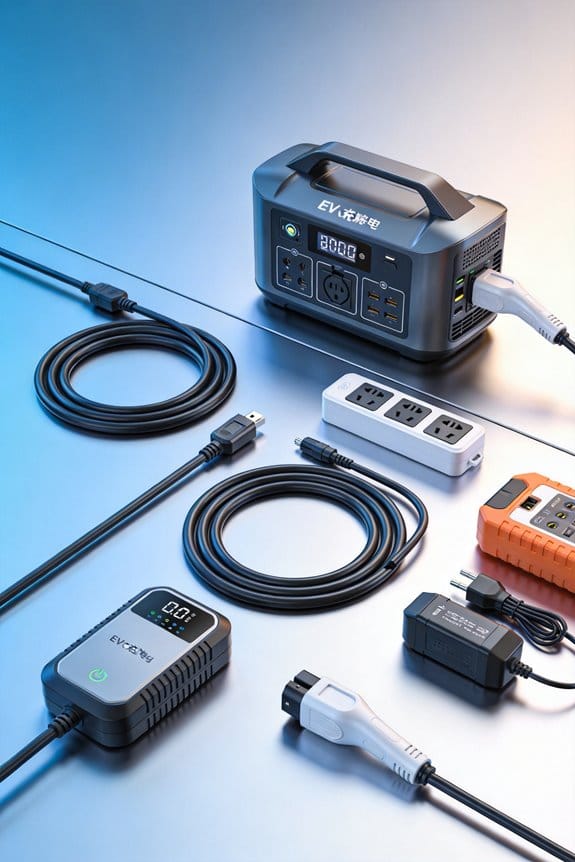
How Temporary Charging Solutions Help in Unexpected Situations

We can keep fleets moving during outages, disasters, or event spikes by using plug‑and‑play mobile DC fast chargers that arrive in days and need no permanent construction. 1) Rent or lease units to avoid upfront capital. 2) Deploy 150‑200 kW stalls with CCS2/CHAdeMO connectors for quick top‑up. 3) Use dual‑input (grid or on‑site storage) and generator options for off‑grid power. 4) Swap battery modules in under an hour to restore service fast. 5) Track usage and relocate idle units after a week to maximize ROI. Continue for more details.
Key Takeaways
- Rapid, plug‑and‑play deployment restores power to electric fleets within days, preventing downtime during disasters or sudden demand spikes.
- Mobile units operate off‑grid via generators or on‑site storage, supplying critical charging when the grid fails.
- Scalable stalls can be positioned near high‑traffic hubs or event venues, quickly meeting unexpected surges in vehicle usage.
- Lease‑or‑rent models eliminate upfront capital costs, allowing organizations to access emergency power without financial strain.
- Real‑time monitoring and data dashboards enable swift relocation of idle chargers, ensuring resources are used where needed most.
Temporary EV Chargers: Definition and Core Fleet Benefits
You may be interested
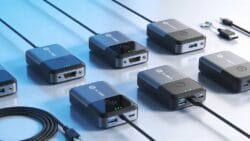

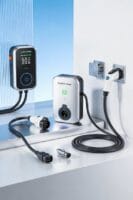
We all know how frustrating it is when a new delivery route pops up and your fleet’s charging stations can’t keep up. That’s where temporary EV chargers come in—mobile units that give you fast DC power for a short term. They boost fleet agility by letting you add charging capacity quickly, and you only pay while you use them.
- Rapid setup – Plug‑and‑play units arrive in days, not months.
- Scalable power – Each stall can supply 180 kW, keeping vehicles on the road.
- Cost flexibility – No upfront capital; you lease or rent.
- Location independence – Operate where the grid is weak or absent.
- Operational focus – Vehicles charge while you focus on service delivery.
Use temporary chargers when permanent stations would delay expansion or when you need a flexible, low‑risk solution.
Frankly, they’re a practical fix for any fleet that needs to stay nimble. If you’re juggling a tight schedule and a tight budget, these units let you keep moving without the long‑term commitment of a permanent build‑out.
Worth knowing: you can set them up at a warehouse, a pop‑up hub, or even a construction site—anywhere you have a power source.
Try this: map out the spots where you currently lose time waiting for a charge, then match those with a temporary charger. You’ll see the impact on your route efficiency almost right away.
Recommended Products

AI-POWERED SMART CHARGING & APP CONTROL – This ev charger level 2 uses Autel’s AI-integrated smart app to schedule charging around time-of-use utility rates, helping lower your monthly bill while boosting station utilization. Start or stop sessions remotely, adjust current from low to high amps, view real-time energy data, and get alerts if anything looks off.

[Faster Car Charging] - With Charger 2, charge the AC180 portable power station at its full 500W DC input capability, 5X faster than traditional car chargers (<100W), ensuring a smooth power experience on your travels.

【Trusted Brand】Autel has been making automotive intelligent diagnostic, inspection, and analysis products since 2004. The MaxiCharger AC Home was developed over 2 years from a full team of designers and engineers to bring you the safest, smartest, and one of the best looking chargers on the market.
Pop‑Up Temporary EV Chargers Slash Capital Costs and Speed Fleet Expansion
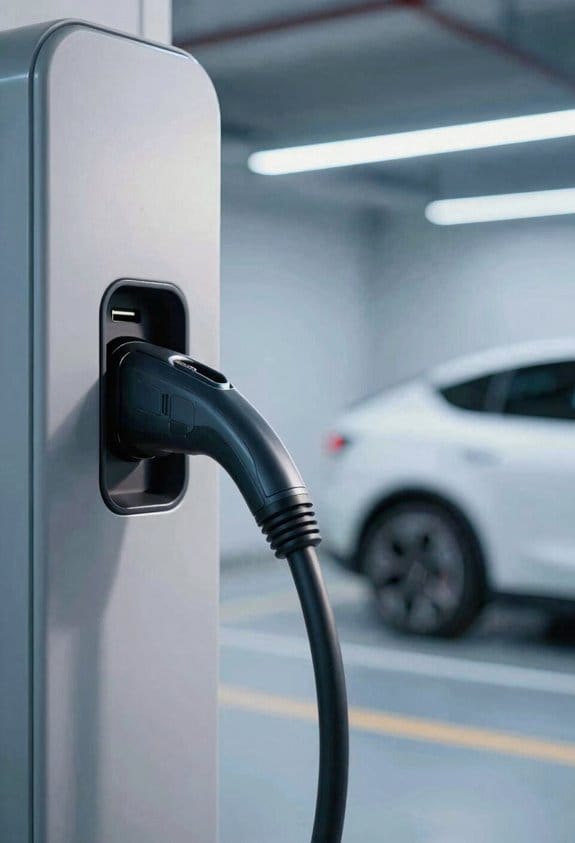
Ever wonder why your electric‑fleet expansion feels stuck at a cash‑flow wall? The truth is, you don’t need a massive upfront spend to keep the wheels turning. Pop‑up temporary EV chargers let you add power fast and cut costs, so fleet growth doesn’t stall. You can lease financing to avoid a big initial outlay. By using demand forecasting you match charger numbers to vehicle schedules, preventing idle assets.
Key steps
- Assess peak charging needs with demand forecasts.
- Choose a lease‑financing plan that spreads payments over the expansion period.
- Deploy pop‑up units near high‑traffic depots.
- Monitor usage and adjust unit count as demand shifts.
- Return or relocate units when fleet size stabilizes.
This approach reduces capital outlay by up to 60 % and shortens deployment time from months to weeks. It lets you scale quickly while keeping cash flow steady.
Worth knowing:
- Start with a clear picture of when and where your trucks need juice.
- Pick a lease that lets you pay a little each month instead of a lump sum.
Try this:
- Put the pop‑up chargers right next to your busiest depots, then watch the data.
- If a unit sits idle for more than a week, move it to a busier spot.
You’ll see the fleet grow without the usual bottlenecks. Ready to give your expansion a boost?
Mobile DC Fast Temporary EV Chargers: Specs, Grid‑Outage Resilience, and Fleet Impact
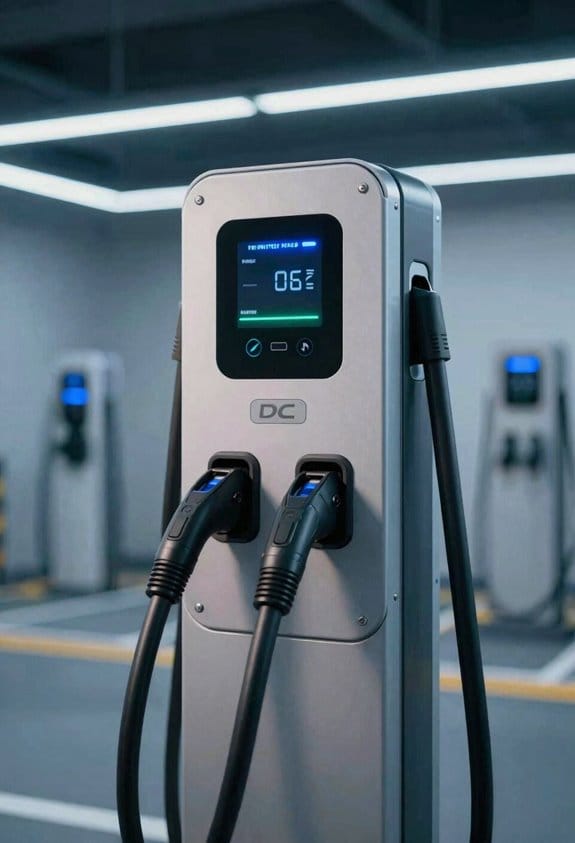
Ever stuck waiting for a charging station that just isn’t there yet? That’s the hassle most fleet managers know all too well. When a permanent charger isn’t ready, a mobile DC fast temporary charger can be a lifesaver, giving you power on the fly without the hassle of digging up a new site.
Key specs
- Power output: 150 kW – 200 kW.
- Connector types: CCS2, CHAdeMO.
- Battery pack: 200 kWh modular cells.
- Cooling: liquid‑based thermal management.
Resilience features
- Dual‑input: grid or on‑site storage.
- Automatic load‑shedding during outages.
- Self‑diagnostic alerts.
Fleet impact
- Keeps vehicles on‑road, reducing downtime.
- Scales with fleet size, no permanent site changes.
- Low upfront cost, service‑based pricing.
Frankly, the biggest win is how quickly you can swap out the battery modules. If a unit runs low, you just pull the plug, replace the pack, and you’re back in business in under an hour. Worth knowing: the liquid‑based cooling system keeps the charger from overheating even when you’re pushing a lot of power at once.
So, picture this: you have a fleet of delivery vans that need to stay on the road all day. With a mobile charger that can feed 30‑40 kW per vehicle, you can charge several vans at once without waiting for a permanent station to finish construction. The dual‑input design means you can keep charging even if the grid goes down—just switch to the on‑site storage and keep moving.
Try this: schedule a quick demo with a supplier and ask them to show you how the load‑shedding works during a simulated outage. Seeing the system handle a real‑world hiccup will give you confidence that your fleet won’t be stranded.
The cost side is also friendly. Because you pay for the service instead of buying a whole station, you avoid the big upfront spend. That flexibility lets you grow your fleet without having to re‑think your charging strategy every time you add a few more vehicles.
Bottom line, a mobile DC fast temporary charger gives you the power you need, when you need it, without the long wait for a permanent build‑out. Ready to keep your fleet moving?
Generator‑Powered Temporary EV Chargers Boost Productivity at Remote Sites
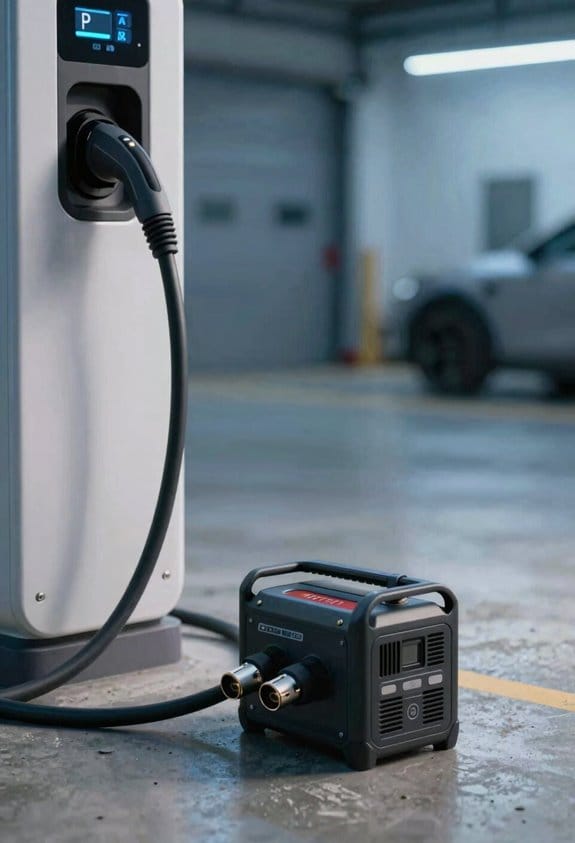
Ever found yourself stuck on a remote job site, waiting for a grid hookup that never arrives? That’s when a generator‑powered temporary EV charger can save the day. I’ve been setting these up for crews that need to keep their fleets moving, and the process is surprisingly straightforward.
Key steps for deployment
- Pick a generator that matches the charger’s kW rating.
- Place the unit near the work area, keeping safety clearances in mind.
- Hook up the fuel line and run a quick flow test before you start.
Benefits
- Immediate power for off‑grid locations.
- Scalable capacity as fleet size grows.
- Reduced dependence on unreliable grid connections.
Frankly, the biggest win is how little extra logistics you need. The generators run on diesel or propane, so you can just schedule regular refills with the supply chains you already have. Your crew can charge several vehicles at once, which cuts idle time and keeps projects on schedule.
Worth knowing: make sure you have a spare fuel hose and a basic fire extinguisher on hand. A quick visual check of the connections before you fire up the generator can prevent a lot of headaches later.
If you follow these steps, you’ll keep remote operations productive and your fuel logistics simple. Ready to give your fleet the power boost it needs?
Recommended Products
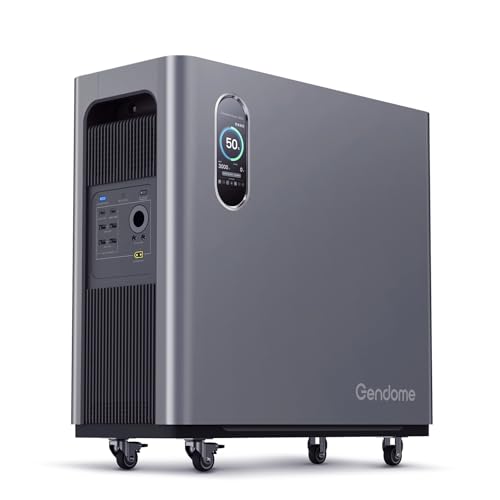
3072Wh Large Capacity, Home Emergency Power Solution: In the event of hurricanes, natural disasters, or temporary power outages, the Gendome Home3000’s 3072Wh large capacity provides reliable power support for your home. Even during a blackout, you can keep essential household functions running smoothly

Start and stop with ease from up to 80 feet away with the included wireless remote key fob, plus, features CO Shield carbon monoxide auto shutoff system

[𝑷𝒐𝒘𝒆𝒓𝒇𝒖𝒍 𝑯𝒐𝒎𝒆 𝑩𝒂𝒄𝒌𝒖𝒑 & 𝑷𝒐𝒓𝒕𝒂𝒃𝒍𝒆 𝑷𝒐𝒘𝒆𝒓]: With built-in 5 X 2200W (3000W with P-Boost on), Pure Sine Wave AC outlets, and up to 3 USB C charging port 100W max, you get stable power for your phone, laptop, fridge, and 99% of home devices, ideal for travel and home backup.
Business‑Impact ROI: How Temporary EV Chargers Drive Local Spending
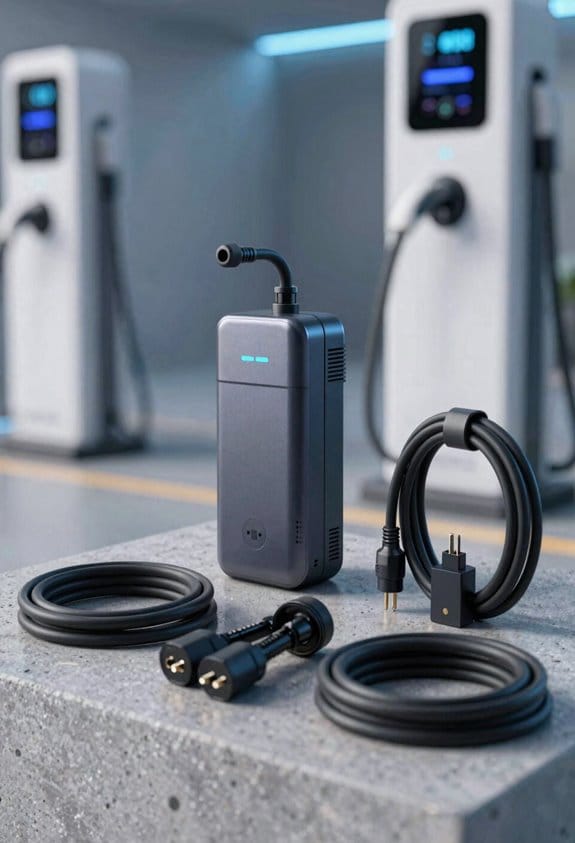
Ever wonder why you pass a coffee shop and never stop, even though you’re low on charge? Installing a temporary EV charger right next to a café or boutique can change that. When drivers see a fast charger within a stone’s throw, they’re more likely to pull in, grab a drink, and maybe browse a few shelves. That extra foot traffic translates into a real boost for the shop, and the charger operator gets a steady stream of users.
Try this:
- Position chargers within 100 m of cafés or retail shops.
- Pair the charger with a joint promotion—think a discount on coffee while the car charges.
- Keep an eye on sales uplift; many owners report a 1‑3 % rise in spending.
- Move chargers to high‑traffic events to catch seasonal shoppers.
- Share a data dashboard with partners so they can see the exact footfall increase.
These steps turn a simple charger into a revenue driver, supporting both the charger operator and the surrounding business community.
, you’re a shop owner, a quick chat with a charger provider can get you started.
If you’re the operator, offering a clear, measurable ROI will make local partners eager to join.
Fair warning: you’ll need to track the numbers closely, but the payoff is worth the effort.
What’s the next spot you could turn into a buzzing pit stop?
Recommended Products
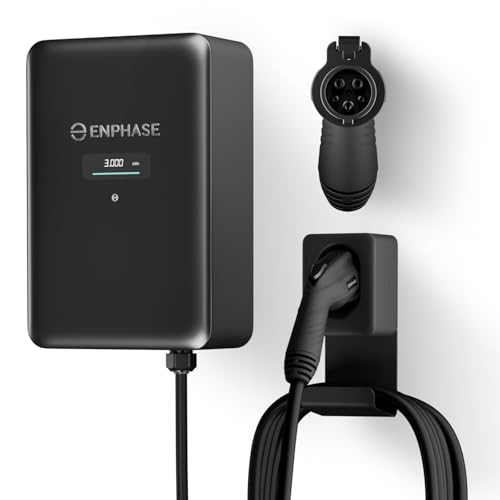
9× FASTER CHARGING: Get faster, smarter EV charging up to 11.5 kW (up to 46 miles/hour). Perfect for overnight charging or quick top-ups.

INSTALL WITH CONFIDENCE: The Enphase HCS-50 EV Charger, formerly known as ClipperCreek, delivers award-winning durability and reliability. Installation is quick and straightforward—connect it to a dedicated 50 Amp circuit by any licensed electrician.

Charge with Confidence: ChargePoint builds reliable, flexible EV charging stations for home, business, and fleets. Get 24/7 support and access to hundreds of thousands of North American charging locations.
Frequently Asked Questions
How Do Temporary Chargers Handle Extreme Weather Conditions?
We protect our units with extreme weatherproofing and active temperature regulation, so they keep charging reliably in heatwaves, snowstorms, or high winds, ensuring your fleet stays operational no matter the conditions.
What Safety Certifications Are Required for Generator‑Powered Units?
We need UL certifications0 certification and OSHA compliance before installing generator‑powered units, ensuring electrical safety, fire protection, and worker health standards, so you can operate confidently without regulatory setbacks.
Can Mobile Chargers Be Integrated With Renewable Energy Sources?
We can integrate mobile chargers with renewable sources, using solar integration and battery buffering to smooth output, store excess energy, and guarantee consistent power even when sunlight fluctuates or demand spikes.
How Is Data Security Managed on Temporary Charging Platforms?
We secure data on temporary platforms with strong encryption protocols and strict access controls, ensuring every transmission and storage point is protected, so you can trust the system even during rapid deployments.
What Insurance Coverage Is Needed for Mobile Charging Deployments?
We recommend securing liability insurance and business interruption coverage for mobile charging deployments, ensuring that any accidents, equipment damage, or downtime are financially protected while you keep operations running smoothly.