As an Amazon Associate, we earn from qualifying purchases. Some links on this site are affiliate links at no extra cost to you. Our recommendations are based on thorough research and editorial judgment.


What V2L, V2H, and V2G Mean for EV Owners

We call V2L vehicle‑to‑load, V2H vehicle‑to‑home, and V2G vehicle‑to‑grid. V2L lets the EV power a plug‑in device or small outlet using a portable inverter; it’s great for camping or emergencies. V2H uses a bidirectional charger and transfer switch to run home circuits during outages, acting as a backup battery. V2G connects a smart, ISO‑compliant charger to the utility so the car can export excess energy during peak price periods. Each mode needs the right charger, inverter, and safety wiring, and battery health stays best when we keep state‑of‑charge between 20 % and 80 % and avoid overheating. If you keep reading, you’ll see how to size hardware, calculate energy, and maximize savings.
Key Takeaways
- V2L lets an EV act as a portable generator, powering appliances directly from the car’s outlet via a simple inverter and adapters.
- V2H enables an EV to supply home electricity during outages or peak‑price periods using a bidirectional charger and a transfer switch.
- V2G allows an EV to export stored or solar‑generated power back to the grid, earning credits or reducing bills when utility rates are high.
- All three require appropriate hardware (inverter or bidirectional charger) and proper installation, often by a licensed electrician, to ensure safety and compliance.
- Managing state‑of‑charge (20‑80 % typical) and scheduling charge/discharge cycles maximizes battery health, savings, and reliability for V2L, V2H, and V2G use.
What Is Vehicle‑to‑Load (V2L) and How It Works?
You may be interested



Ever found yourself stuck on a campsite with a dead phone and no power outlet in sight? That’s where Vehicle‑to‑Load (V2L) steps in, turning your electric car into a handy portable generator. You just plug the EV’s outlet into an AC or DC socket, and the battery starts feeding electricity to whatever you need—no grid required.
Key points
- Portable camping – Lights, a mini‑fridge, or a phone charger can all run off the EV.
- Emergency charging – When the lights go out, the car can keep a radio or a medical device alive.
- Simple setup – Just plug the vehicle’s outlet into the device or a small power strip.
- Bidirectional capability – The EV can both give and receive power, but V2L focuses on output only.
Worth knowing: Use V2L for short‑term needs and keep the battery level above 20 % for reliable emergency charging.
Got a weekend trip planned? Pack your EV’s charger and a few adapters, and you’ll have power wherever you park. It’s a low‑effort way to stay connected and safe without hunting for a campsite outlet.
Remember, the key is to treat the car’s battery like any other power source—don’t drain it completely, and you’ll always have a backup when you need it.
Ready to give your EV a new purpose on your next adventure?
What Is Vehicle‑to‑Home (V2H) and How It Works?
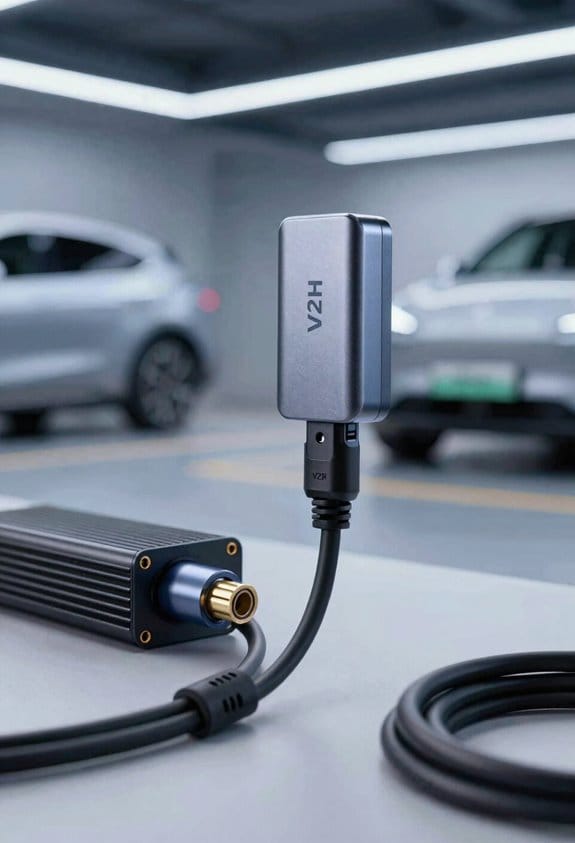
Ever had a power outage while you’re trying to keep the fridge running? If you own an electric car, you can actually turn its battery into a backup power source for your house. That’s what Vehicle‑to‑Home (V2H) does—it lets your EV feed electricity straight into your home through a bidirectional charger, kind of like a portable generator that runs on the power you already have.
How it works
- Plug the charger into a transfer switch that connects to your home’s main panel.
- When the grid drops, the EV discharges into the house circuits.
- Once power’s back, the charger tops off the car’s battery again.
The main uses are keeping lights on and making sure the refrigerator stays cold. Before you set it up, check the charger’s rating and plan your seasonal maintenance. Keep the battery’s state‑of‑charge above 20 % so you still have enough juice for driving. A smart app can help you set discharge limits, so you don’t accidentally drain the car too much.
Worth knowing: you’ll want a transfer switch that’s rated for the load you intend to run. A 3‑kW setup can handle a few lights, a TV, and the fridge, while a 6‑kW unit can power a small HVAC system too. Make sure the wiring is done by a licensed electrician—mistakes here can be dangerous.
Try this: after you install the charger, run a quick test by pulling the main breaker and seeing if the EV supplies power to a lamp. If it works, you’ve got a reliable backup without buying a separate generator.
Fair warning: don’t let the battery dip too low. If you’re using the car for daily commutes, aim to keep it above 30 % after a discharge event. Otherwise, you might find yourself stuck without both home power and a drivable car.
The bottom line is that V2H gives you a handy, fuel‑free way to ride out short outages. It’s especially useful for those who already have an EV and want to get more mileage out of the battery. Have you tried using your car as a backup power source yet?
What Is Vehicle‑to‑Grid (V2G) and How It Works?
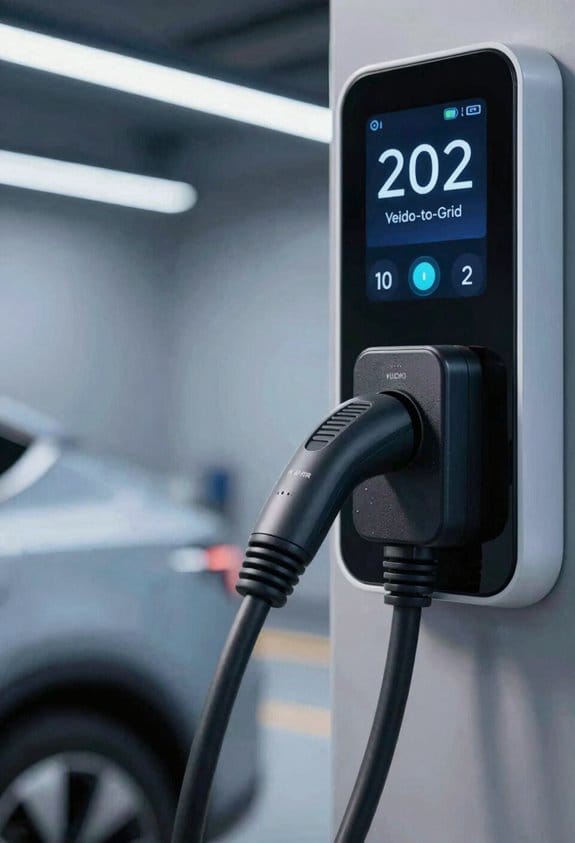
Ever wonder why your electric car sits idle most of the day while the grid struggles with peak demand? Plugging your EV into a bidirectional charger can actually turn that idle battery into a little power plant for your neighborhood.
Charge‑discharge cycle
The charger talks to the utility and decides when to pull electricity in when to push it back out. It’s all automatic, so you don’t have to watch a screen or flip a switch.
Grid services
When you export power, you help smooth out the ups and downs of supply and demand. That means fewer blackouts and a more stable grid for everyone.
Market participation
Utilities will pay you for the energy you sell back. Think of it as turning spare battery capacity into a modest side income.
Ancillary markets
Your EV can also join programs that support voltage regulation and frequency response.
- Frequency response: The battery reacts in seconds to changes, keeping grid frequency steady.
- Revenue: You earn from both the energy you sell and the payments for those extra services.
Fair warning: Not every charger can do this. You’ll need a smart, ISO‑compliant unit and a utility program that actually accepts V2G.
Try this: Look for a charger that advertises “bidirectional” or “vehicle‑to‑grid” capability, then sign up for your local utility’s V2G pilot. The extra paperwork is worth the extra cash and the peace of mind that you’re helping keep the lights on.
What Hardware Is Required for V2L, V2H, and V2G?
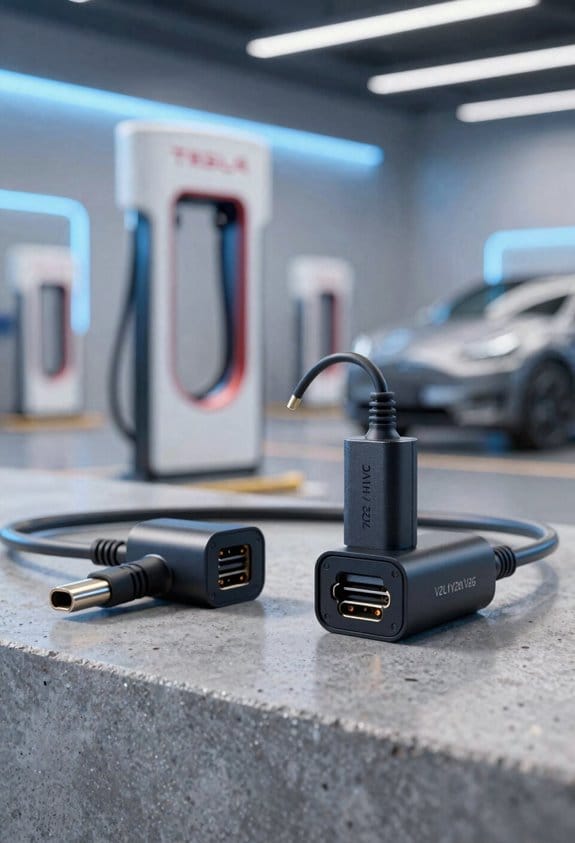
Ever wondered how to actually get power out of your EV when you need it most? Let’s break down the gear you’ll need for each mode so you can keep things running smoothly.
V2L
- A portable inverter that changes the car’s DC into AC for your gadgets.
- An outlet adapter that fits both the car’s charging port and the plug of whatever you’re powering.
V2H
- A bidirectional home charger paired with a transfer switch to keep the house safe.
- Either an integrated inverter or a separate portable one for running AC loads.
- Standard outlet adapters so you can plug in anything from a fridge to a lamp.
V2G
- A grid‑compliant bidirectional charger that follows ISO 15118‑20 standards.
- A utility‑approved inverter that can control how much power you send back.
- No outlet adapters here; the connection goes straight through the charger’s grid interface.
These pieces let you move energy safely between your car, your home, and the grid. Worth knowing: you’ll want to check that any inverter you pick is rated for the power you plan to draw or feed back.
Got a favorite setup? Let me know how it’s working for you.
How Much Energy Can Your EV Supply in Each Scenario?
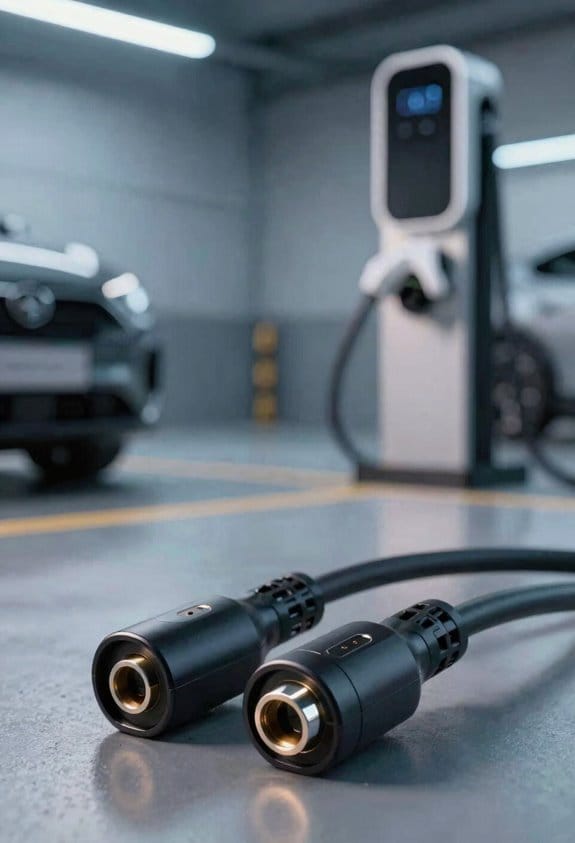
Ever wonder how long your EV could keep the lights on when you’re not behind the wheel? Let’s break down what you can actually get out of a 60‑kWh pack in real‑life situations.
Recommended Products

Limited-Time Perks: E10 Metal Pad, Up to 12-Month 0% APR

[7200W Whole-House Power Hub] The F7200 is a true powerhouse with a massive 7200W AC output (9000W Surge). It effortlessly runs high-load appliances like central AC, water pumps, and electric heaters—making it the ultimate whole home battery backup.

【Top-Flight Performance 】The 51.2V 100Ah liFePO4 battery is manufactured by 16Pcs Automotive Grade A grade prismatic cells with higher energy density, more stable performance & greater power. And has a compact 5.12kWh energy, which is equivalent to 4pcs 12V 100Ah LiFePO4 batteries in 4S (or even 8pcs 12V 100Ah AGM batteries in 8S). Fully compliant with the UL1973 safety standard and certified by Intertek ETL for reliable safe operation.
V2L
Small gadgets usually need only a few hundred watts. A 60‑kWh battery can keep a 200‑W fridge humming for roughly 300 hours, or power a 1‑kW tool for about 60 hours. The range you lose is just a couple of percent, so you still have plenty of mileage left for driving.
V2H
Whole‑home backup typically runs at 20–30 kW on average. With a 75‑kWh pack you’ll get 2–3 days of power for a normal house. Winter heating spikes the demand, cutting the days down a bit, but you’ll still have enough to stay comfortable.
V2G
Most chargers cap grid export at 7–10 kW. A 50‑kWh battery can feed the grid for 5–7 hours each day. Prices may shift with the seasons, yet the amount of energy you can send out stays the same.
Worth knowing: use a smart charger that matches the load and keep an eye on your battery’s state of charge. That way you protect your driving range while still getting the most out of your EV.
Got a specific setup in mind? Let’s talk about how to make it work for you.
Financial Benefits: Savings, Earnings & Incentives
Ever felt like your electric bill is a mystery you can’t crack? You’re not alone—many homeowners are hunting for ways to stretch each dollar while keeping the lights on. The trick is matching each V2X use case to the right incentives and rates, then letting the savings stack up.
Recommended Products

INSTALL WITH CONFIDENCE: Formerly ClipperCreek, the core technology that comes inside every Enphase EV charger has earned its award-winning reputation by delivering industry-leading durability and reliability. Now they're made even better with a 5-year limited manufacturer warranty and 24/7 customer support. This HCS-D50 hardwired home dual electric car charging station comes fully assembled and offers quick installation to a dedicated 50 Amp circuit with any licensed electrician.

Dual Charging on a Single Circuit: Charge two EVs simultaneously with the HCS-D40’s dual-port design, delivering 32 Amps to one vehicle or 16 Amps to two vehicles, minimizing the need for costly electrical upgrades.

INSTALL WITH CONFIDENCE: Formerly ClipperCreek, the core technology that comes inside every Enphase EV charger has earned its award-winning reputation by delivering industry-leading durability and reliability. Now they're made even better with a 5-year limited manufacturer warranty and 24/7 customer support. This HCS-80 hardwired home EV charger comes fully assembled and offers quick installation to a dedicated 80 Amp circuit with any licensed electrician.
V2L
Power tools at home or on the road can drain a lot of juice, but you can soften the hit. Look for community programs that reward clean‑energy use and claim any tax credits available for installing bidirectional chargers. Those credits can shave a solid chunk off your upfront costs, letting you get more bang for your buck.
V2H
When the grid goes down, a V2H setup can keep your home humming. By storing energy and drawing from it during peak hours, you dodge those pesky demand charges. It’s a simple swap—store when electricity’s cheap, use when it’s pricey—and you’ll see the bill shrink.
V2G
Got a solar array that sometimes makes more than you need? Feed that excess back to the grid and watch the meter run backward during high‑price periods. It’s not just a feel‑good move; it turns your extra power into actual cash.
Worth knowing: Follow your local utility’s rules, register for any incentives, and keep a close eye on your usage data. A quick spreadsheet can reveal patterns you never noticed, helping you fine‑tune when to charge or discharge.
Try this: Set a reminder to check your utility’s incentive portal each quarter. Programs change, and staying on top of them can add up to big savings over a year.
You’ll find that a little planning goes a long way. Ready to start trimming that bill and maybe even earn a bit on the side?
How to Preserve Battery Health When Using V2L, V2H, or V2G?
Ever wondered why your EV’s range seems to drop after a weekend of powering tools at home? The trick isn’t magic—it’s about treating the battery like a delicate friend when you use V2L, V2H, or V2G.
Battery cycling
- Skip full cycles every day.
- For short V2L jobs, just dip into a partial cycle.
Temperature management
- Park in the shade or a cool garage whenever you can.
- Let the car’s thermal system run before you start pulling power.
Software updates
- Keep the latest firmware installed.
- Updates often fine‑tune power‑flow limits and cooling.
General tips
- Check charge limits in the app before you start.
- If the battery gets hot, stop V2H/V2G right away.
- Make sure the charger’s ventilation isn’t blocked.
Frankly, the best habit is to keep the state‑of‑charge between 20 % and 80 % whenever possible. This range cuts stress on the cells and helps the pack stay healthy for years.
Worth knowing: a cool garage can be a game‑changer for your battery’s lifespan, especially when you’re swapping power back and forth.
Choosing the Right Strategy for Your Lifestyle and Needs
Ever feel like your EV’s battery is a mystery you can’t quite crack? The good news is you don’t need a PhD to keep it happy and make it work for your day‑to‑day life.
- Assess daily habits – If you often camp or work outdoors, V2L gives portable power for tools and phones.
- Plan travel – For long trips, choose V2H only you need backup at home, or V2G if you can park at a smart charger for grid support.
- Follow charging etiquette – Keep the battery between 20 % and 80 % for V2L/V2H use, and schedule V2G discharge during off‑peak hours.
- Appliance pairing: Connect high‑draw devices (fridge, heat pump) to V2H for emergencies, and low‑draw gadgets (lights, laptops) to V2L.
- Flexibility: Use a smart charger that can switch between V2H and V2G based on utility signals.
These steps line up your EV use with your lifestyle while looking the battery in shape.
Frankly, you’ll notice a smoother ride and fewer surprise drops in range.
Worth knowing: a little planning now saves a lot of hassle later.
Ready to give your EV the routine it deserves?
Recommended Products

[Energize Almost Everything] The EcoFlow DELTA Pro 3 supports 120V/240V voltage and has a 4000W output (6000W with X-Boost, scalable up to 12000W), powering nearly all essential home appliances, such as a 3-ton* central AC or a 1 HP water pump.

【High-Capacity Dual-Power Combination】This set includes main power station and 3600Wh expansion battery pack. The battery pack is built with diverse output ports, supporting stackable capacity expansion or separate independent power supply. It realizes dual usage modes, saves extra purchasing budget and achieves high practical cost performance.

【Triple-Fuel Flexibility】Switch between gasoline (13500 peak watts, 11500 running watts), propane (12500 peak watts, 10500 running watts), and natural gas (10500 peak watts, 9500 running watts) via a dedicated fuel selector switch. Enjoy flexible, uninterrupted power for long-term home backup, RV adventures, and high-demand job site operations.
Frequently Asked Questions
Can I Use V2L While the Car Is Charging?
We can run V2L while the car’s charging, but only if the charger supports simultaneous output, and we’ll follow safety precautions—checking load limits, using proper cables, and monitoring battery temperature.
Does V2H Work With a Standard Home Breaker Panel?
We can hook V2H into most panels, but older breaker upgrades may need upgrades; think of a vintage car on a modern highway—your EV will run, yet the circuit might demand a newer, higher‑capacity breaker.
What Warranties Cover Battery Degradation From V2G Usage?
We tell you that most EV warranties exclude V2G‑related wear, but they’ll cover degradation up to the manufacturer’s threshold—typically around 70‑80 % capacity—so you stay protected.
Are There Tax Credits for Installing V2g‑Compatible Chargers?
We’ve seen 30 % of owners claim a $1,500 reduction via federal incentives and utility rebates for V2G‑compatible chargers, so yes—tax credits and rebates can offset installation costs substantially.
Can I Schedule V2H Discharge During Specific Times of Day?
We can set smart scheduling for V2H discharge, aligning it with time‑of‑use optimization, so the battery powers your home during low‑rate periods or peak demand windows, saving money and easing grid strain.