As an Amazon Associate, we earn from qualifying purchases. Some links on this site are affiliate links at no extra cost to you. Our recommendations are based on thorough research and editorial judgment.


NACS vs CCS: What Everyday Drivers Need to Understand

We’ll see that NACS is a single‑piece, five‑pin plug that feels lighter and fits a smaller vehicle opening, while CCS uses a bulkier, split‑two‑section design with seven pins and a reinforced housing. Both can deliver 250‑350 kW DC fast charging, but CCS separates AC and DC pins, making Level‑2 home charging a bit simpler. Most North‑American cars use CCS, but Tesla models need NACS or an adapter. Dual‑port stations and certified adapters reduce hassle. If you keep a spare adapter and check station labels, you’ll avoid surprises on trips. Continue for deeper details.
Key Takeaways
- NACS uses a single‑piece, five‑pin plug that’s smaller, lighter, and easier to grip, while CCS has a bulkier, split‑plug design with seven pins.
- Both standards support 250‑350 kW DC fast charging, but CCS separates AC and DC pins, making Level 2 home charging slightly more straightforward.
- Adapter use adds cost, weight, and potential failure; certified adapters last ~2–3 years under heavy use and should be inspected before each trip.
- Dual‑port stations offering both NACS and CCS eliminate the need for adapters and provide the widest compatibility across North‑American and European EVs.
- For daily driving, a Level 2 home charger (≈7 kW) meets most needs; use fast‑charging stops (NACS or CCS) on longer trips, keeping battery temperature and station load in mind for optimal speed.
What Makes NACS and CCS Connectors Physically Different?
You may be interested


Ever tried plugging in a charger and felt the whole thing wobble in your hand? That odd feeling usually comes down to the connector’s shape and size. NACS is a tiny, single‑piece plug with five pins, while CCS is bigger, split into two sections and sporting seven pins. That size gap changes how the plug feels and how tough it is.
Ergonomics
- NACS feels lighter and slips into your grip easily.
- CCS feels bulkier, so you need a firmer grip to keep it steady.
Material durability
- NACS uses a thin aluminum housing; it resists dents but can flex if you press hard.
- CCS has a reinforced polymer body with a metal frame, giving it higher impact resistance.
Port footprint
- NACS leaves a small opening on the vehicle, which can look cleaner.
- CCS creates a wider opening, which may affect the design of the surrounding area.
Frankly, if you care about how the plug handles in your hand, the NACS feels more comfortable. Worth knowing: the CCS’s extra pins and sturdier build can be a plus when you need extra durability.
Pick the plug that matches your handling comfort and durability needs. Which one fits your daily routine best?
How Each Connector Handles AC and DC Power Delivery
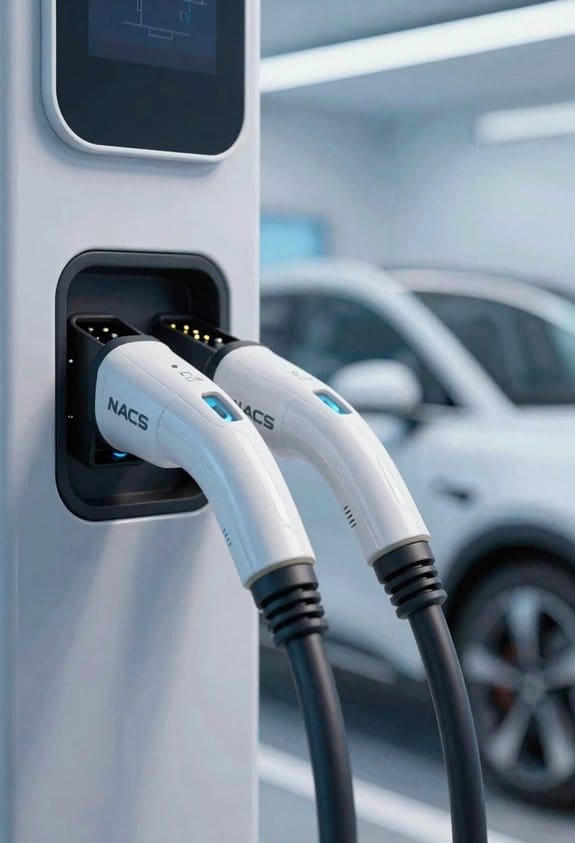
Ever wonder why your EV charger sometimes feels like a puzzle? Let’s break down how the two main plugs move AC and DC power, so you can pick the right one for your daily drive.
How Each Connector Handles AC and DC Power Delivery
We’ve felt the plugs in hand; now let’s see how each one moves AC and DC power. Both standards support AC signaling, but they route it differently. NACS shares its five pins for AC and DC, letting the vehicle’s controller switch modes on the fly. CCS keeps AC pins separate from the DC pins, so a charger can stay in AC mode for slow charging and switch to DC fast charging without re‑plugging.
Key points for drivers:
AC handling
- NACS: single‑pin set, simple wiring, relies on vehicle for AC/DC detection.
- CCS: dedicated AC pins (Type 1/2), easy for home Level 2 chargers.
DC handling
- NACS: high‑current pins, optimized for fast DC, built‑in thermal management.
- CCS: separate DC pins, also includes thermal management but with more bulk.
Thermal management
– Both use active cooling in the vehicle and charger to keep temperature safe during high‑power DC sessions.
Frankly, if you mostly charge at home, the CCS setup feels more straightforward because the AC pins match the standard Level 2 plugs you already have. NACS can be a bit trickier, but its single‑pin design means fewer connections to worry about when you’re on the road.
Worth knowing: the thermal systems in both chargers work hard, but NACS’s tighter integration can give a slight edge in keeping things cool during those rapid DC bursts.
So, which one fits your routine? If you value simplicity and already own a Level 2 charger, CCS might be the easier choice. If you’re after a sleek, all‑in‑one pin layout that handles both AC and DC without extra cables, NACS could be worth a look.
Ready to match your charger to your driving habits?
Real‑World Charging Speeds You Can Expect From NACS Vs CCS
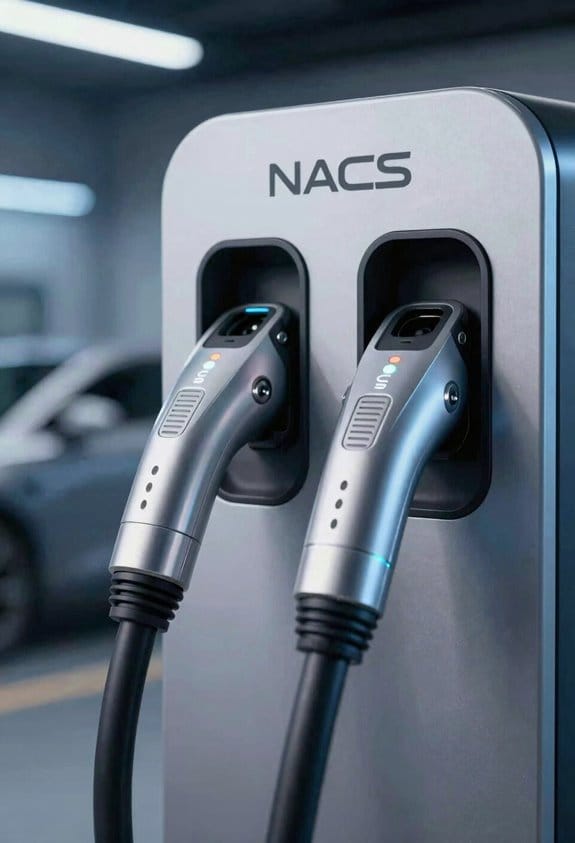
Ever wonder why your EV sometimes charges fast and other times it feels like it’s crawling? The truth is, the plug isn’t the main player – it’s the station you plug into. In real‑world tests, both NACS and CCS can push 250‑350 kW on high‑power DC sites, but the actual speed shifts with station load, cable length, and how well your battery handles heat. Most drivers spend about 15‑30 minutes at a fast charger to hit 80 % charge, no matter which connector they use.
What to expect:
- Supercharger‑type NACS stations – Around 250 kW on average, you’ll see about 20 minutes to reach 80 % on most Tesla‑compatible cars.
- CCS high‑power stations – Peaks near 300 kW, with newer non‑Tesla models often hitting 80 % in roughly 18 minutes.
Key factors:
- Battery heat‑management can’t keep top power on for long periods.
- How many cars are waiting and the station’s current load change how long you stay.
Pick the network that fits your route and your car’s heat‑management ability.
Worth knowing:
- If you’re on a road trip, check the station’s real‑time load before you pull in.
- Shorter cables usually keep the power higher, so keep the cable as short as you can.
Try this:
- Plan your stops around stations that have low queue times.
- Keep an eye on your battery temperature; if it’s getting hot, the charger will back off.
Fair warning: you won’t always get the peak numbers on paper, but with a little planning you can still shave minutes off your travel time.
Got a favorite charging spot that consistently hits those numbers? Let me know!
Recommended Products

👍【2026 TOP AI SCANNER AUTEL MAXISYS ULTRA S2】Autel scanner MaxiSys Ultra S2 is a cutting-edge AI-powered diagnostic tool built for speed and intelligence. It features 10X faster hardware (13.7'', Android 13, 2.7G 8-Core CPU, 512GB storage), 48+ Services, TruSpeed Repair, Remote Expert, 99.99% car coverage etc.🔥Autel UltraS2 New AI upgrades include:✅VCM2 6-IN-1 Module($2,000+ v.alue); ✅"Max" hands-free voice control (like a "Siri"); ✅AI image analysis for dents & scratches; ✅Topology Map 3.0 + Split-Screen; ✅Data Stream 3.0 (Enhanced PID Analysis). 📢This is South American Version includes 2-year f-ree updates ($4,000 v.alue).❌ Excludes 1-year f-ree Motor TruSpeed.

[All-Scenario Power] - Apex 300 (2764.8Wh, 3840W) keeps homes lit, RVs rolling & off-grid sites running. Parallel 2-3 units (5.5-8.3kWh), expand to 58kWh with B300K. Never powerless.

【Top-Flight Performance 】The 51.2V 100Ah liFePO4 battery is manufactured by 16Pcs Automotive Grade A grade prismatic cells with higher energy density, more stable performance & greater power. And has a compact 5.12kWh energy, which is equivalent to 4pcs 12V 100Ah LiFePO4 batteries in 4S (or even 8pcs 12V 100Ah AGM batteries in 8S). Fully compliant with the UL1973 safety standard and certified by Intertek ETL for reliable safe operation.
NACS vs CCS Vehicle Compatibility Cheat Sheet
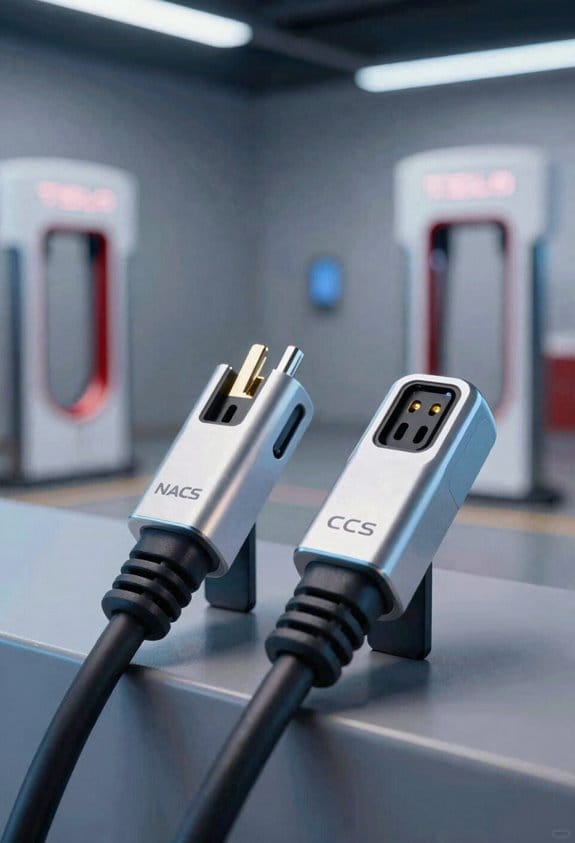
Ever tried to plug in your EV only to find the charger won’t talk to your car?
Fast‑charging speed depends on the station, not the plug, so let’s look at which cars work with which plug. We built a quick compatibility map for everyday drivers.
- Tesla models – NACS only. Use a CCS‑to‑NACS adapter for non‑Tesla stations.
- Non‑Tesla North American EVs – CCS (CCS1) native. NACS adapters work, but check adapter lifespan, typically 2‑3 years of heavy use.
- European EVs – CCS2 native. NACS adapters are rare; stick with CCS ports.
- Dual‑port stations give both plugs, covering all cars.
- Adapters add cost and weight; they may fail sooner than the vehicle’s own port.
We recommend checking the station’s label before you plug in, and keep a spare adapter if you travel often. This simple map helps you avoid dead‑ends.
Frankly, you’ll save time and frustration by eyeballing the plug type first. Worth knowing: most newer stations label the connector right on the front, so you can spot the right one from a distance. Try this: snap a photo of the station’s sign on your phone and compare it to your car’s charging port before you pull up.
Got a road trip coming up? Pack an extra adapter and double‑check the charger map online—your battery will thank you.
What’s the most annoying charger mix‑up you’ve faced?
Market Adoption: Where NACS and CCS Dominate
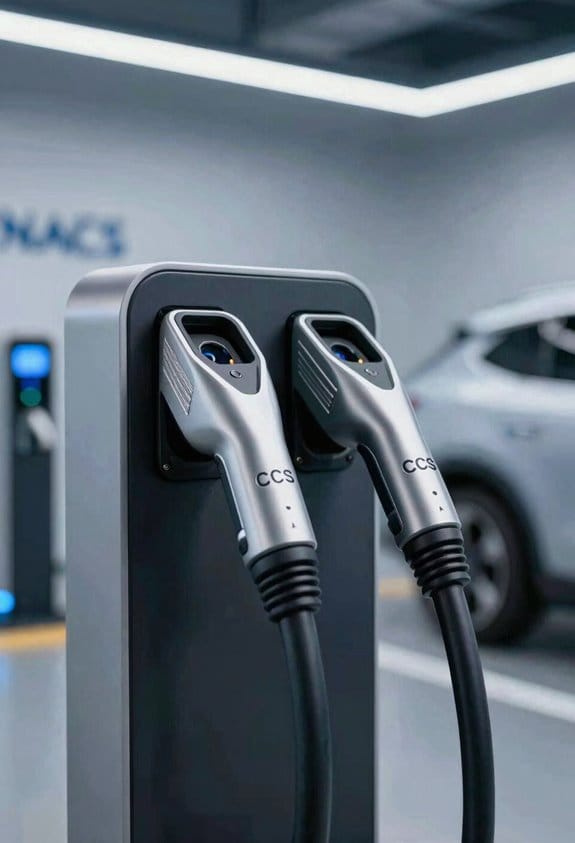
Ever wondered why your EV feels at home at some chargers and out of place at others? The plug you need can change from coast to coast, and it’s worth a quick check before you buy or hit the road.
Recommended Products
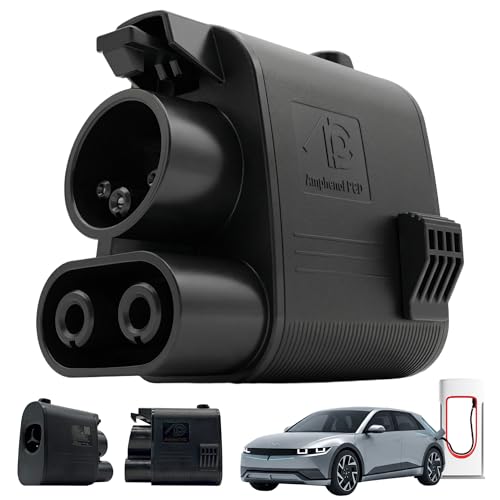
Charge Your Non-Tesla EV at Tesla Superchargers – Compatible with Ford F-150 Lightning, Mustang Mach-E, Rivian R1T/R1S, Chevy Equinox EV, Cadillac Lyriq, Volvo EX40/EX90, Polestar 2/3, and other CCS1 vehicles with Supercharger access through their automaker

EXPANDED CCS FAST CHARGER ACCESS —Charge your Tesla & NACS EVs at over 12,000+ fast charging stations across North America with this CCS1 to NACS (J3400) adapter. Not compatible with Cybertruck. Please verify your vehicle supports CCS charging before purchase.
![Lectron NACS to CCS Electric Vehicle Adapter - 500 Amps / 1,000V - Compatible with Tesla Superchargers - Fast Charge CCS1 EVs with Vortex Plug [Check with Your Automaker for Compatibility]](https://m.media-amazon.com/images/I/31IODyBc-mL._SL500_.jpg)
EXPANDED CHARGING OPTIONS – The Lectron Vortex Plug unlocks access to 25,000+ V3 & V4 Tesla Superchargers, enabling non-Tesla EVs with Supercharger access to charge easily using this NACS to CCS adapter at more fast-charging locations
Dealer rollout
- NACS stations pop up at most North‑American dealerships.
- CCS stations are the norm on European dealer lots.
Aftermarket retrofit
- Many owners add NACS adapters to existing CCS ports.
- Retrofit kits for CCS are common where that plug still rules.
You’ll see a lot of NACS chargers at U.S. showrooms that carry Tesla‑compatible gear. In Europe, CCS stays ahead because legacy brands and public networks have built their whole system around it.
Frankly, the easiest way to avoid a dead‑end charge is to look at the local dealer inventory and see which plug they stock. If you’re driving a Tesla‑type vehicle, you’ll likely find NACS everywhere in the States. If you’re eyeing a European model, expect CCS to be the default.
Worth knowing: adapters are cheap and easy to install, but they add a small cost and another piece of gear to carry. Some owners keep both plugs handy, especially if they travel across borders.
Try this: before you sign on the dotted line, ask the dealer what charging options they offer and whether they have retrofit kits on site. A quick phone call can save you a pricey surprise later.
Bottom line, match the plug to the stations you’ll use most often, and you’ll keep your trips smooth and your battery happy. What plug do you think fits your driving habits best?
Policy & Funding: How Government Rules Affect NACS & CCS Stations
Ever wonder why some charging stations seem to have both plugs while others only have one? That mix can be confusing, especially when you’re trying to plan a road trip with an electric car. The good news is that the government’s rules actually shape how these stations get built, and you can use that to your advantage.
Funding rules
- Grants can cover up to 70 % of the total cost.
- To qualify, the project must meet the minimum CCS access rule for public sites.
Incentive structures
- Rebates are bigger if you add a NACS port to a site that already has CCS.
- Tax credits kick in when the charger serves more than one vehicle brand.
Practical impact
Stations usually start with CCS because that’s the baseline requirement. Then, they add NACS to snag the extra rebate and tax credit. For drivers, that means you’ll see more places that accept both plug types, which makes trips smoother.
Fair warning: if you skip checking local grant listings, you might miss out on funding that could cut your out. Try this: make sure your charger plan meets the federal CCS mandate first, then look for NACS incentives to boost your budget.
Bottom line, keep an eye on both the funding rules and the rebate programs. That way, you’ll end up with a station that works for all the electric cars you might encounter. Ready to see how this could work for your next charging project?
Practical Implications for Home vs Public Fast Charging (Cost & Installation)
Thinking about where to charge your EV can feel like a puzzle, especially when you’re weighing home versus public fast‑charging options.
If you’re setting up at home, a Level 2 wall box is the usual route. Expect to spend roughly $800‑$1,200 on the unit itself, plus the electrician’s labor. The job is pretty straightforward: a licensed pro runs a dedicated circuit, mounts the box, and you’re ready to plug in. Maintenance is minimal; a quick visual check of the connector each year and swapping the cable if it shows wear is all that’s needed.
Public fast chargers, on the other hand, are a different beast. They need a much larger power feed, often a three‑phase service, and the civil work can be extensive. Installation costs can easily top $10,000, and you’ll likely need a permit from the local authority. Once up and running, you’ll have to keep an eye on software updates and make sure the cooling system stays clean.
Home charging checklist
- Choose a NACS‑compatible wall box.
- Hire a licensed electrician.
- Verify circuit capacity.
Public fast‑charging checklist
- Assess site power availability.
- Apply for permits.
- Plan for ongoing maintenance.
Frankly, the biggest decision comes down to how often you drive and where you spend most of your time. If you’re mostly at home, the modest upfront cost and low upkeep of a Level 2 charger usually wins out.
Worth knowing: public fast chargers can be a lifesaver on long trips, but they demand more planning and a bigger budget.
Which setup fits your routine best? Let’s get charging.
Recommended Products

Energize Almost Everything. The EcoFlow DELTA Pro 3 supports 120V/240V voltage and has a 4000W output (6000W with X-Boost, scalable up to 12000W), powering nearly all essential home appliances, such as a 3-ton* central AC or a 1 HP water pump.

INSTALL WITH CONFIDENCE: Formerly ClipperCreek, the core technology that comes inside every Enphase EV charger has earned its award-winning reputation by delivering industry-leading durability and reliability. Now they're made even better with a 5-year limited manufacturer warranty and 24/7 customer support. This HCS-80 hardwired home EV charger comes fully assembled and offers quick installation to a dedicated 80 Amp circuit with any licensed electrician.

[𝑷𝒐𝒘𝒆𝒓𝒇𝒖𝒍 𝑯𝒐𝒎𝒆 𝑩𝒂𝒄𝒌𝒖𝒑 & 𝑷𝒐𝒓𝒕𝒂𝒃𝒍𝒆 𝑷𝒐𝒘𝒆𝒓]: With built-in 5 X 2200W (3000W with P-Boost on), Pure Sine Wave AC outlets, and up to 3 USB C charging port 100W max, you get stable power for your phone, laptop, fridge, and 99% of home devices, ideal for travel and home backup.
Adapters & Dual‑Port Stations: What Works
Ever tried to charge your EV at a public spot and realized you’re missing the right plug? It’s a hassle that can turn a quick pit stop into a nightmare.
Adapter safety – Stick to certified adapters only. Give the plug a quick look for any damage before you plug it in. Push it in firmly, but never force it if it feels stuck.
Station signage – Look for clear labels that tell you which port is NACS and which is CCS. Follow the arrows so you don’t end up with a mismatched connector.
Dual‑port stations – Pick stations that list both standards. They let you charge any EV without hauling extra gear.
- Pros: One spot works for all cars.
- Cons: Slightly higher price.
- Tips: Keep a spare adapter in the trunk. Verify the station’s power rating matches your car’s limits. This approach keeps charging simple and reliable.
Frankly, the best way to avoid surprise is to plan ahead. Worth knowing: a spare adapter can save you minutes and a lot of frustration. Have you ever left home without checking your charger setup?
Give it a try next time you hit the road and see how much smoother the whole process feels.
Recommended Products

UNIVERSAL COMPATIBILITY: Seamlessly transitions between NACS and J1772 connectors, accommodating all major North American EVs including Tesla Vehicles

Industry-Leading Safety | UL 2252 Certified — Grasside’s nacs to ccs adapter has passed rigorous UL 2252 testing by SGS, proving it meets high benchmarks for electrical safety, thermal performance and mechanical durability—including material flammability, insulation resistance, temperature endurance and structural integrity. This certification gives you peace of mind on every charge, knowing your adapter is tested to real EV industry safety standards.
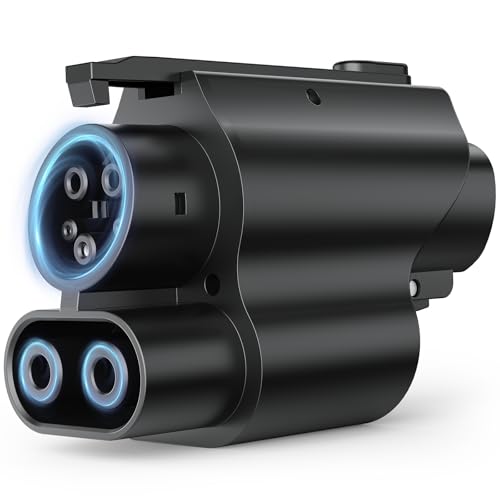
Allow Ford, Rivian, and GM EVs to Charge at Tesla Superchargers: Unlock access to over 15,000 Tesla Supercharger ports with this NACS to CCS1 adapter, providing a fast and convenient charging solution for non-Tesla EVs. This adapter enables seamless connectivity to Tesla’s fast-charging network. Supported Ford Electric & Hybrid Vehicles (Mustang Mach-E, F-150 Lightning, E-Transit, Maverick, Escape ST-Line Elite Hybrid, F-150), all Rivian EVs (R1T, R1S, R2, R3), and all GM EVs (Cadillac, GMC)
How New Policies and Tech Could Tip the NACS‑CCS Balance
When you’re trying to charge your EV and the station’s on a different plug, it feels like you’ve hit a dead end. New federal funding rules and the latest charger tech are shaking up the NACS‑CCS balance, and that can change how easy it is for you to get power on the road. The government’s pushing for flexible, low‑cost infrastructure, and utilities are starting to favor fast chargers that don’t pull huge spikes of power—something NACS can handle thanks to its compact design. Automakers are also nudging manufacturers toward the most widely supported connector, so you’ll see more NACS ports popping up to meet rebate criteria. The good news is that the communication protocol now lets a single station serve both standards without extra hardware, giving you more options at each stop.
Frankly, keep an eye on federal grant announcements; they often list deadline dates that can affect which stations get built first. Check your local utility’s plan for grid‑friendly charger specs—those details can tell you which stations will be most reliable in your area. Look for automaker offers that include NACS‑compatible models; they usually come with extra incentives that can save you money. And when you’re picking a station, choose one that advertises dual‑standard support so you stay flexible for the long haul.
Worth knowing:
- Watch federal grant announcements for deadline dates.
- Check local utility plans for grid‑friendly charger specs.
- Look for automaker offers that include NACS‑compatible models.
- Choose stations that advertise dual‑standard support for long‑term flexibility.
You’ll find that these steps help you avoid the hassle of hunting for the right plug and keep your trips smooth. Ready to make your next charge a breeze?
Decision Guide: Choosing the Right Charger for Your Daily Driving Needs
Ever wonder why your EV sometimes feels like it’s running out of juice just when you need it most? The trick is to match your charger to how you drive, the trips you take, and what stations you can actually get to. Below are the three things you should think about:
- Trip length – If most of your drives stay under 50 mi, a Level‑2 home charger (about 7 kW) will cover you.
- Charging speed – When you’re often on longer trips, a DC fast charger (250‑350 kW) can cut down the waiting time.
- Battery longevity – Keeping the charge around 80 % instead of topping it off to 100 % helps the battery stay healthy longer.
Our recommendation
- Use a Level‑2 charger at home for daily charging.
- Add a fast‑charging stop on longer routes, preferably a NACS or CCS station that meets your vehicle’s peak demand.
- Keep daily charge under 80 % when possible to extend battery longevity.
These steps line up your charger choices with the infrastructure you have while looking after the battery.
Frankly, you don’t need a fancy setup to keep your EV ready for everyday use.
Worth knowing: most home chargers are easy to install and won’t break the bank, so you can start saving time right away.
Try this: plug in every night and aim for that 80 % sweet spot—your battery will thank you later.
What’s the biggest charging hassle you’ve faced lately? Let’s figure it out together.
Recommended Products

INSTALL WITH CONFIDENCE: Formerly ClipperCreek, the core technology that comes inside every Enphase EV charger has earned its award-winning reputation by delivering industry-leading durability and reliability. Now they're made even better with a 5-year limited manufacturer warranty and 24/7 customer support. This HCS-D50 hardwired home dual electric car charging station comes fully assembled and offers quick installation to a dedicated 50 Amp circuit with any licensed electrician.

Dual Charging on a Single Circuit: Charge two EVs simultaneously with the HCS-D40’s dual-port design, delivering 32 Amps to one vehicle or 16 Amps to two vehicles, minimizing the need for costly electrical upgrades.
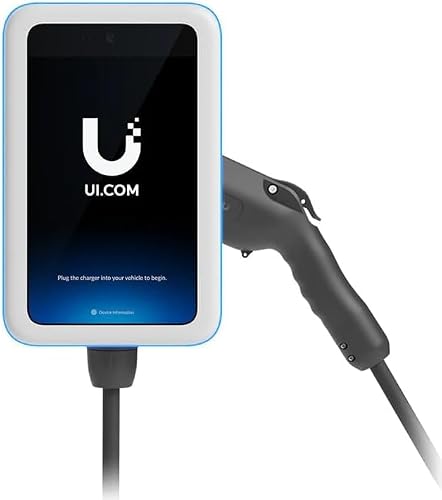
Weatherproof, 11 kW Level 2 electric vehicle charging station with an ultra-bright 10.1" touch display, flexible access control, and payment terminal accessory support.
Frequently Asked Questions
Will NACS Chargers Work With Older Tesla Models That Lack the New Port?
We’ll need adapter compatibility or retrofit kits; older Teslas can’t plug directly into NACS stations, but with the proper kit or adapter you’ll be able to charge at those newer chargers.
Can a Single EV Use Both NACS and CCS Without an Adapter?
We can use a single EV with both NACS and CCS if it has built‑in switching and single‑port compatibility, so you won’t need an adapter for either standard.
Do NACS and CCS Have Different Safety Certifications?
We’ve found they share similar safety standards, but each follows distinct testing protocols; NACS meets UL 2580 while CCS adheres to IEC 62196, so certifications differ just enough to keep regulators intrigued.
How Does Weather Affect NACS Versus CCS Connector Reliability?
We find that cold performance drops slightly for both, but NACS’s tighter sealing handles precipitation sealing better, while CCS’s larger housing can trap moisture, making it a bit more vulnerable in icy rain.
Are There Any Plans to Standardize a Universal Connector for All EVS?
We’re seeing industry efforts push toward a universal EV connector, but regulatory hurdles and regional standards still keep it from becoming a single, worldwide solution just yet.