As an Amazon Associate, we earn from qualifying purchases. Some links on this site are affiliate links at no extra cost to you. Our recommendations are based on thorough research and editorial judgment.


Why EV Drivers Search for Charging Adapter Guides So Often

We look for adapter guides because charging stations use many plug types and network rules, so one connector rarely fits all. Level‑2 sites mostly have SAE J1772, while fast chargers use CCS, CHAdeMO, or NACS, and some networks lock their own shape. Our cars may have J1772, Tesla, or other inlets, so we must match the vehicle plug to the charger connector with the correct adapter. Adapters differ by region, network, and fast‑charger protocol, and mismatched ones can cause slow charging or damage. Keeping a small set of labeled adapters and checking station signs before plugging helps avoid problems. If you keep exploring, you’ll discover more about choosing and maintaining the right adapters.
Key Takeaways
- Adapter compatibility varies widely across charger networks, so drivers need guidance to match their vehicle’s plug with available stations.
- Regional differences in dominant connector standards (J1772, CCS, CHAdeMO, NACS) create frequent uncertainty about which adapter is required.
- Fast‑charging stations often lock to proprietary connectors, prompting drivers to search for specific adapters to avoid being stranded.
- Safety concerns—preventing overheating, damage, or slow charging—drive drivers to verify adapter ratings and certifications.
- Travel and fleet management demand organized adapter inventories and troubleshooting tips, making up‑to‑date guides essential.
Why Your EV Needs a Different Adapter for Every Charger
You may be interested


Ever you you at a charging station and realize you don’t have the right plug? It’s a tiny hassle that can turn a quick top‑up into a scramble. The reason is simple: every charger uses its own standard, so you end up needing a different adapter for each one.
Why you need a different adapter for every charger
- Connector types vary – Level 2 stations use the SAE J1772 plug, while DC fast chargers have their own proprietary connectors.
- Vehicle design – Many brands ship with only a J1772 inlet, meaning you have to add a fast‑charging adapter if you want to use a DC station.
- Network exclusivity – Each network locks its own connector, so one adapter can’t cover them all.
Practical steps
- Keep a list of adapters by network.
- Store adapters in a dedicated bag.
- Check the station label before plugging in.
Frankly, a little organization goes a long way. Try this: label each adapter with the network name and tuck them into a small pouch you keep in your trunk. That way you won’t waste time hunting for the right piece when you’re already on a tight schedule.
Doing these things cuts down on confusion and shows respect for the people waiting behind you. Have you ever missed a charging spot because you were fumbling for the right plug?
Give it a try and see how smooth your charging routine becomes.
How Connector Fragmentation Limits One‑Size‑Fits‑All Solutions
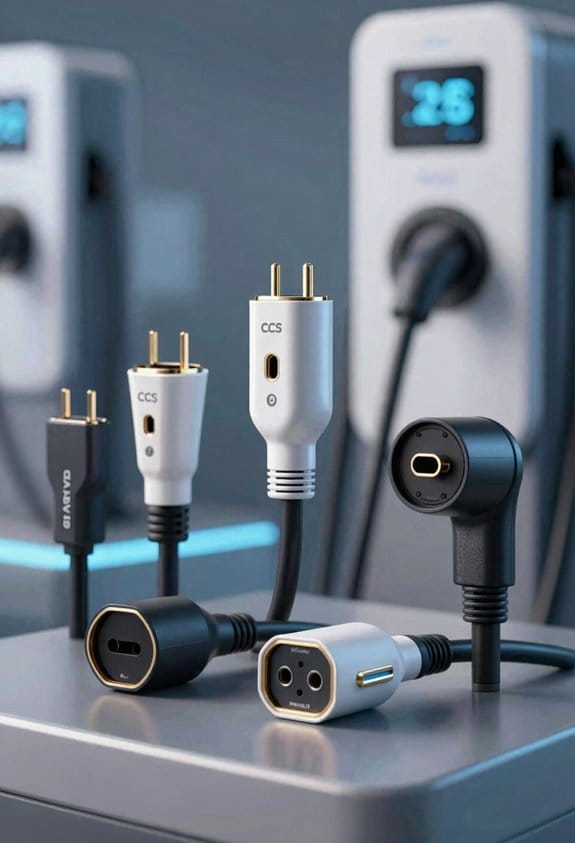
Ever tried plugging your car into a charger and found the connector just won’t fit? It’s a hassle that most EV owners know all too well. The market is full of different plug types, and that means you’re often stuck with a bundle of adapters or a long search for the right station.
Multiple standards – SAE J1772, CCS, CHAdeMO, and NACS each use their own pin layout.
Proprietary fast‑charge – Some networks add a unique shape to keep competitors out.
Lobbying pressure – Car makers push their own designs, so the industry stays split.
Frankly, the result is simple: no single plug can work with every car and every station. That’s why I always travel with a small kit that covers the three most common adapters. It saves me time and keeps my trips smooth.
Worth knowing: before you pull into a station, glance at the charger label. If it shows a protocol you don’t have, swap the adapter right away. This quick check can keep you from a long wait or a dead‑end.
Result: You won’t need a universal adapter that doesn’t exist.
Recommendation: Pack a compact set of the three top adapters.
Tip: Double‑check the charger’s protocol label as soon as you arrive; a fast swap keeps you moving.
Got a favorite adapter setup that works for you? Share it in the comments!
What the Exploding Charger Count Means for Adapter Compatibility
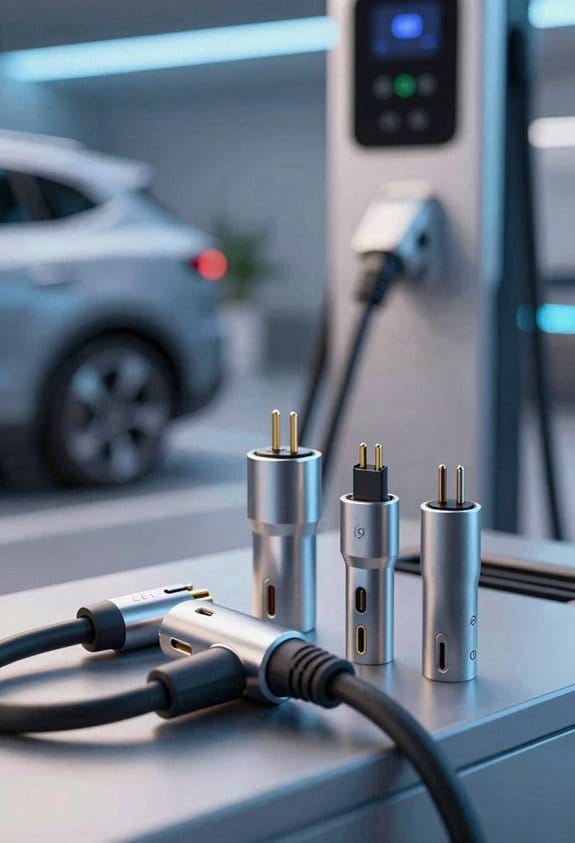
Ever tried plugging into a new charger and found out your adapter just won’t work? It’s a frustrating moment that can ruin a road trip or a quick coffee run. The market is exploding with new brands and standards, so you’ve got to stay on top of what each station offers and whether your gear can keep up.
Recommended Products

INSTALL WITH CONFIDENCE: Formerly ClipperCreek, the core technology that comes inside every Enphase EV charger has earned its award-winning reputation by delivering industry-leading durability and reliability. Now they're made even better with a 5-year limited manufacturer warranty and 24/7 customer support. This HCS-D50 hardwired home dual electric car charging station comes fully assembled and offers quick installation to a dedicated 50 Amp circuit with any licensed electrician.

Dual Charging on a Single Circuit: Charge two EVs simultaneously with the HCS-D40’s dual-port design, delivering 32 Amps to one vehicle or 16 Amps to two vehicles, minimizing the need for costly electrical upgrades.

High-power fast charging: Experience fast electric vehicle charging with a 400A DC adapter - Compared to low-power adapters, its high power output significantly reduces your charging time, allowing you to get back on the road quickly even in a hurry.
1. Identify the charger’s network (e.g., Tesla, ChargePoint, EVgo)
First, look at the sign or app to see which network the station belongs to. Different networks often use distinct protocols, and the wrong match means you’ll be stuck watching the display blink.
2. Verify your adapter’s listed compatibility for that network
Check the adapter’s spec sheet or the manufacturer’s website. If it says “compatible with Tesla and ChargePoint,” you’re good to go. If the list is vague, assume it won’t work and plan a backup.
3. Install the latest firmware on the adapter before travel
A quick software update can add new protocol support that wasn’t there when you bought the device. Most brands push updates through a companion app—make sure you’ve run the latest version before you hit the road.
- Use a universal adapter only if it lists all needed protocols.
- Carry a backup adapter for legacy connectors.
Frankly, the easiest way to avoid a dead‑end charger is to keep a small checklist in your car. Write down the networks you’ve encountered, note which adapters work, and update the list after each trip. It takes a minute, but it saves you from hunting for a coffee shop while your battery drains.
Try this: Before you leave home, open the charger‑finder app and filter for stations that support your adapter’s protocols. If the app shows a “no match” warning, swap the adapter or plan a different route.
You’ll find that staying a little ahead of the curve makes every charging stop feel smoother. The extra effort now means fewer surprises later. Ready to make your next charging stop hassle‑free?
State‑by‑State Charger Ratios and the Adapter Choices They Force
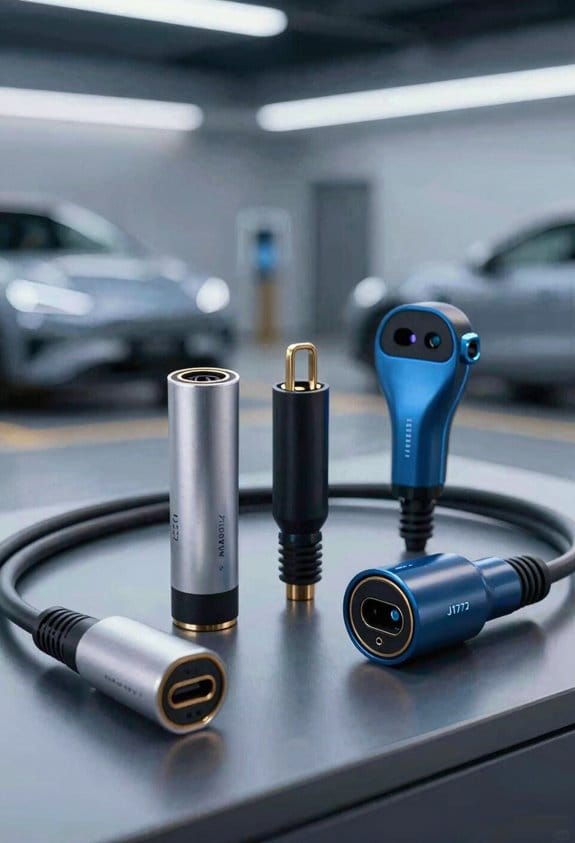
Ever felt stuck hunting for a charger while the map shows a tiny dot in the middle of nowhere? That’s the reality when your state’s charger‑to‑EV ratio climbs past 30 EVs per charger. You’ll end up juggling adapters that fit both the old J1772 plugs and the newer NACS ports, and the cost adds up fast if you need more than one for a single car.
Key points to keep in mind
- Identify your state’s ratio; higher numbers mean fewer chargers.
- Choose adapters that cover both Level 2 and DC fast options.
- Factor in fleet needs; a single, versatile adapter saves money.
- Check local policies for preferred connector standards.
Frankly, the best move is to pick an adapter that works everywhere you travel. If you’re driving through a rural county, you’ll likely see a 35‑to‑1 ratio, meaning you’ll be hunting for a charger for hours. In contrast, a city with a 5‑to‑1 ratio offers a charger every few blocks, so a simple J1772‑to‑NACS cable does the trick.
Here’s the trick: buy a dual‑compatible adapter now and keep it in your trunk. That way you won’t have to scramble for a second one when a fleet manager asks you to charge a different model. It also saves you from paying premium prices for multiple adapters later on.
Worth knowing: some states favor fast‑charge networks that only support NACS, while others stick with Level 2 stations that still use J1772. Knowing which network dominates in your area can spare you a lot of hassle and money.
If you’re managing a fleet, think about a universal adapter that can handle both Level 2 and DC fast chargers. One device that fits all the makes can cut down on inventory costs and keep your drivers from getting stuck on the road.
Check the local regulations before you hit the road. A few states have incentives for using certain connectors, and those policies can change which adapters you’ll need most often.
Which EV Charging Adapter Fits Your Vehicle’s Plug?
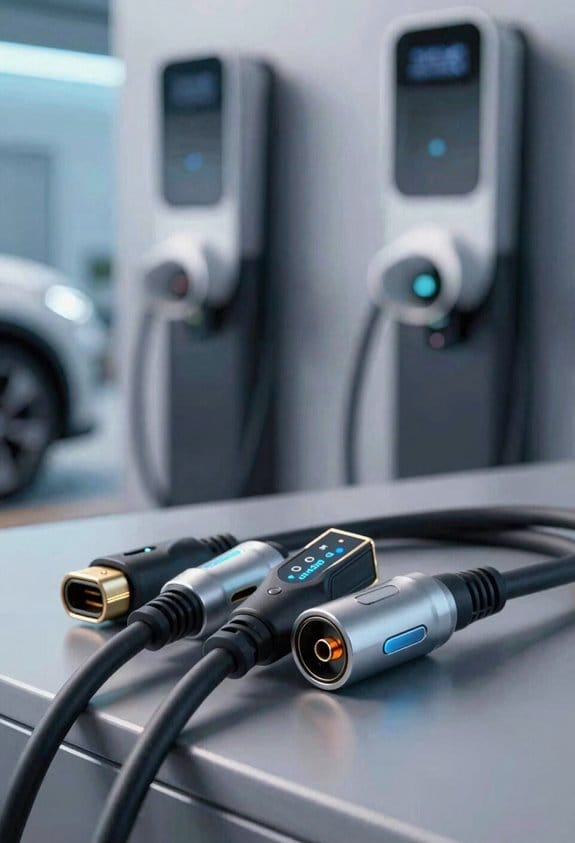
Ever found yourself at a charging station, only to realize the plug on your car doesn’t match the connector on the wall? It’s a frustrating moment that can turn a quick top‑up into a dead‑end. The good news is that a simple adapter can sort it out—if you know which one to grab.
First, figure out what native plug your vehicle uses. Most newer EVs come with the SAE J1772 connector for Level 2 charging, while Tesla models have their own proprietary plug. Then, look at the station’s connector type. If it’s a standard Level 2 charger, a J1772‑to‑Tesla adapter will let you plug in without a hitch. For DC fast chargers, you’ll more see CCS or CHAdeMO ports, so you’ll need a CCS‑to‑Tesla or a CHAdeMO‑to‑CCS adapter, depending on your car.
Frankly, the key is to match the two ends correctly. A mismatched adapter can cause slow charging, overheating, or even damage. Here’s the trick: keep a small checklist in your glove box.
- Identify your vehicle’s native plug.
- Check the station’s connector type.
- Choose an adapter that follows aftermarket standards.
If you’ve installed a retrofit kit, double‑check that it supports the adapter’s rating. Stick with reputable brands that have safety certifications—don’t gamble with cheap knock‑offs. A spare adapter in the car can save you from a stranded moment, especially on long trips.
Remember, most Level 2 stations use SAE J1772, so a J1772‑to‑Tesla adapter works for many cars. DC fast chargers often use CCS or CHAdeMO, so you must choose a CCS‑to‑Tesla or CHAdeMO‑to‑CCS adapter. Keeping these basics in mind will make your charging stops smoother and less stressful.
Got a favorite adapter that’s saved you before? Share it and help other drivers stay powered up.
Recommended Products

TRANSFORM YOUR EV CHARGING AREA- Experience a clutter-free garage with our EV Hover electric vehicle charging station accessories management system. Keep your charging cable suspended and out of the way for a clean, safe charging experience.

⚡ 8X FASTER CHARGING (40A/9.6kW): Turbocharge your electric vehicle with this high-performance Level 2 EV Charger 40 Amp, delivering a powerful 9.6kW output. Engineered to be up to 8x faster than standard Level 1 portable chargers, it provides approximately 25–35 miles of range per hour of charging. Wake up to a full battery every morning, ensuring your EV is always ready for long-distance commutes or daily errands.
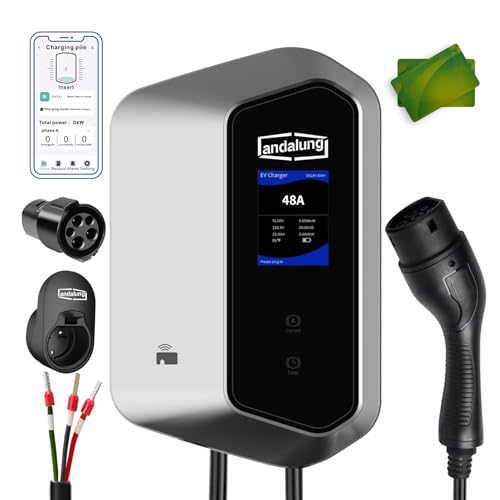
Universal Compatibility & Turnkey Solution: This charger is equipped with an efficient standardized NEMA 14-50 plug, including a J1772 connector and our exclusive PRO 1 NACS adapter, ensuring compatibility with all electric vehicles in North America, including Tesla. This turnkey solution is designed to seamlessly fit every electric vehicle in America's fleet, providing a worry-free charging experience
Matching Adapters to Specific Networks (Tesla, Electrify America, Etc.)
Ever been stuck at a charger because the plug didn’t match your car? It’s a tiny hassle that can turn a quick top‑up into a waiting game. Below is a quick guide that keeps you moving, no matter which network you pull up.
Recommended Products

UNIVERSAL COMPATIBILITY: Seamlessly transitions between NACS and J1772 connectors, accommodating all major North American EVs including Tesla Vehicles

No Adapter Needed: Charge your Tesla or any vehicle requiring the NACS connection. Emporia's new NACS-specific ev charger works just like the Tesla charger, including remotely opening your Tesla charging port door at the press of a button.

Tesla Supercharger Compatibility: Works with compatible Tesla Superchargers across the US and Canada for convenient charging access. Use the NACS DC adapter with DC fast chargers only and do not attempt to use the adapter with an AC charger
Tesla Network
If you’re driving a Tesla on a non‑Tesla station, grab a Tesla Retrofit adapter. It converts the NACS plug on your car to the CCS or CHAdeMO socket on the charger. With it in your bag, you won’t waste time hunting for a compatible spot.
Electrify America
These chargers usually sport a clear Network Branding label. When your car uses NACS, a CCS‑to‑NACS adapter does the trick. Just swap it in and you’re ready to charge.
Other Fast‑Charge Networks
First, spot the connector type—CCS, CHAdeMO, or J1772. Then pick the adapter that matches your vehicle’s plug. Having the right piece on hand means you can plug in and go.
General Tips
Keep a small kit with the most common adapters in your trunk. Before you plug in, double‑check the station’s branding; a quick glance can save you a lot of hassle. Worth knowing: a little prep keeps your road trips smooth.
Frankly, the easiest way to stay ready is to keep a single, well‑organized pouch of adapters. That way, you never have to scramble when you see a new charger logo.
Got a favorite adapter brand that’s saved you before? Let’s hear it!
Backup Adapter Strategies When a Charger Fails
Ever got stuck at a charging station because the plug didn’t match your car? It’s frustrating, but a few simple steps can keep you moving.
Recommended Products

INSTALL WITH CONFIDENCE: The Enphase HCS-50 EV Charger, formerly known as ClipperCreek, delivers award-winning durability and reliability. Installation is quick and straightforward—connect it to a dedicated 50 Amp circuit by any licensed electrician.

AI-POWERED SMART CHARGING & APP CONTROL – This ev charger level 2 uses Autel’s AI-integrated smart app to schedule charging around time-of-use utility rates, helping lower your monthly bill while boosting station utilization. Start or stop sessions remotely, adjust current from low to high amps, view real-time energy data, and get alerts if anything looks off.

🔋 This charger is manually amperage adjustable from 50-Amps, 48, 40, 32, 30, 28, 25, 12 Amps Modes with front button selection provides upto 12KWh power up to 10X Faster charging (compare the the Factory provided 110V Charger). 📱 LONGER CORD OPTIONS & INTELLIGENT CHIP — Intelligent chip automatically provides the requested amperage from your EV. ☔️ Primecom Smart chargers are waterproof and are safe to use outdoors. Fully Outdoor Usable with IP56 rating waterproof status.
Backup Adapter Strategies When a Charger Fails
When a charger goes down, we need a backup plan that lets us keep moving without delay. We should practice spare planning and keep a small kit in the car.
- Carry a universal J1772 adapter.
- Add a NACS‑to‑J1772 converter if you drive a newer model.
- Keep a compact DC‑fast charger plug for rare stations.
For emergency sourcing:
- Use a mobile app to locate nearby stations with compatible sockets.
- Call a roadside service that can deliver a needed adapter.
- Store a spare cable in a friend’s garage for quick swap.
These steps let us stay on route when a charger fails, without hunting for a new guide.
Frankly: a small kit in your trunk can save you from a long detour. Try this: keep a list of the nearest fast‑charging hubs on your phone and check the socket type before you head out.
Got a favorite backup trick? Share it and help other drivers stay on track.
Quick Troubleshooting Checklist for Mis‑fitting Adapters
Ever tried to jam an adapter into a charger port and felt it just won’t sit right? You’re not alone—those tiny mis‑alignments can be maddening. Below is a quick checklist that helped me sort out the issue before I started panicking.
Check adapter alignment
- Hold the adapter and the charger port together.
- Make sure the pins line up straight.
- If they tilt, the connector is probably mis‑aligned.
Inspect for contact corrosion****
- Look at the metal surfaces inside the port.
- Dark spots or any buildup means corrosion.
- Wipe it clean with a dry cloth; if the damage stays, consider a replacement.
Confirm correct type
- Match the adapter model to the charger’s standard.
- Your vehicle’s manual is a handy reference for the right specs.
Test with another charger
- Plug the adapter into a different charger.
- If it fits there, the original port may be the problem.
Frankly, these steps usually pinpoint the cause fast enough to keep you from pulling your hair out. Try this: after you’ve checked alignment, corrosion, and type, give the other charger test a go before you decide to replace anything.
Got any other tricks that saved you from a bad fit? Share them in the comments!
Recommended Products
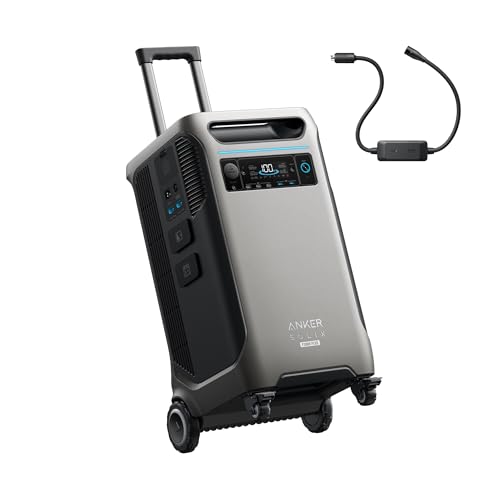
The F3800 Plus Power Station and 240V Generator Input Adapter will be dispatched separately. If you receive one item before the others, please await the arrival of the remaining items.

[High Capacity & Long Lifespan] The powerful portable power station features a high capacity of 3840Wh, expandable up to 11520Wh, ensuring you have plenty of energy to power your devices in any situation. Our robust EV-Grade Lithium Iron Phosphate (LiFePO₄) batteries deliver over 4000 cycles and a lifespan of up to 10 years, ensuring long-term reliability.

【Compatible Vehicles】 This Tesla V2L discharge power share device is specifically designed for Tesla Tesla Model Y/3/S/X manufactured after January 2020 with a factory-installed CCS2 charging port.
Key Takeaways: Picking the Right Adapter and Staying Future‑Ready
Got a new EV and wondering which adapter will actually stick around? You don’t want to spend cash on something that’ll be outdated in a few months. Here’s what you should look at.
Check the connector standards
Make sure the adapter lines up with SAE J1772 for Level 2 charging. If you’re eyeing newer stations, pick one that also handles NACS or CCS. That way you won’t be stuck at a single brand’s pump.
Future‑proofing adapters
Go for a model that lets you swap heads or has a modular design. When a fresh standard pops up, you can just add the right piece instead of buying a whole new unit.
Reliable sourcing
Stick with brands that back their gear with solid warranties and clear return policies. It’s worth paying a bit more for peace of mind.
- Resale considerations – Keep the original box and receipts. A well‑maintained adapter can fetch a decent price if you ever upgrade your car.
- Maintenance – Look over the pins and cables often; replace anything that looks worn or frayed.
Frankly, these steps keep you ready for expanding charging networks while protecting your investment. Try this: write down the standards your most‑used stations support, then match them to the adapter you’re eyeing. It’s a quick check that saves you headaches later.
Got any tips of your own? Share them in the comments!
Frequently Asked Questions
Do Adapters Affect My Vehicle’s Warranty?
We’re confident adapters won’t void your warranty if you follow dealer policies, but we’ll debunk warranty myths: only non‑approved modifications can affect coverage, so stick to manufacturer‑approved kits.
Can I Use a Single Adapter for Both Level 2 and DC Fast Chargers?
We can’t rely on one adapter for both Level 2 and DC fast charging; the standards clash, so adapter compatibility varies, and you’ll need separate solutions to match each charging standard.
How Often Should I Replace a Charging Adapter?
We recommend replacing your charging adapter every two to three years, or sooner if you notice connector wear or reduced performance. Regular checks help guarantee safety and maintain reliable charging across all networks.
Are There Safety Certifications I Should Look for in Adapters?
We recommend checking for UL listing and CE markings on any adapter you consider; those certifications confirm it meets essential safety standards, giving us confidence it’ll handle the power reliably.
Do Adapters Impact Charging Speed or Efficiency?
We can tell you adapters may affect charging speed and efficiency, especially if voltage conversion isn’t ideal or thermal management is lacking; poor designs can introduce losses, heat, and slower power delivery.