As an Amazon Associate, we earn from qualifying purchases. Some links on this site are affiliate links at no extra cost to you. Our recommendations are based on thorough research and editorial judgment.


What 2026 EV Charging Trends Mean for Everyday Drivers

We see 2026’s fast‑charging boom reshaping daily life. 1) Urban drivers should target 350 kW+ micro‑stops for 10‑minute top‑ups and avoid 30‑minute pulls. 2) Use real‑time apps to spot open ports and plan off‑peak trips when utilization drops below 80 %. 3) Rural routes need Level‑2 backups and 10‑minute detours at nearby towns. 4) Enable V2G on compatible chargers to earn money and balance the grid. 5) Keep a universal adapter handy for legacy ports. 6) Home and work chargers should be smart, scheduled off‑peak, and monitored for downtime. 7) Expect longer queues as session growth climbs 34 %; spreading charging times helps. Continue for deeper insights.
Key Takeaways
- Ultra‑fast 350 kW+ chargers cut 80 % charge time to ~15 min, turning stops into quick pit‑stops for daily commutes.
- Urban fast‑charger utilization tops 80 %, so drivers should plan off‑peak visits or use real‑time availability apps to avoid queues.
- Rural “charging deserts” require pre‑trip planning with Level‑2 stations and 10‑minute detours, keeping battery above 30 % before long stretches.
- NFC/contactless payment and universal adapters streamline charging across networks, while V2G‑compatible chargers can offset costs via grid export.
- Remote monitoring and staggered charging schedules help operators keep stations online during peak demand, reducing wait times for everyday users.
How Does the 2026 Fast‑Charging Expansion Affect Your Daily Commute?
You may be interested


Ever find yourself stuck at a red light, watching the clock tick while your EV’s battery hovers near empty? The new fast‑charging spots that popped up in 2026 can actually smooth out that daily grind.
First off, map out a route that threads through the fresh microstops along the main arteries. Those little stations let you top up in a quick break, so you don’t have to pull over for a half‑hour. When you line them up with your commute, the wait time drops and you keep a steady pace even during rush hour.
Frankly, apps that show real‑time port availability are a lifesaver. Open the app, spot an open slot, and pull in right before the traffic builds. A 10‑minute pit stop at a microstop can make all the difference between being late and cruising on time.
Worth knowing: aim for stations that boast 350 kW or more. Those chargers fill your battery faster, letting you get back on the road without a long pause.
- Plan routes that include the new fast‑charging hubs.
- Use apps that show real‑time port availability.
- Schedule a 10‑minute stop at a microstop before traffic peaks.
- Choose stations with 350 kW+ capacity for quicker fills.
What Ultra‑Fast 350 kW+ Chargers Mean for Short Trips and Long‑Distance Runs?

Ever stuck at a charging station and wondered why your short trips feel longer than they should? The new 350 kW+ chargers are popping up everywhere, and they’re changing the way you plan both quick errands and cross‑country road trips.
Short trips
- Pull into a charger, plug in, and in about 10‑15 minutes you’ll be at roughly 80 % charge.
- Treat the stop like a pit‑stop: get in, start the session, and move on as soon as you’re ready.
- By avoiding sudden power spikes, the battery stays at a comfortable temperature, which helps keep its health in check.
Long‑distance runs
- Aim for 20‑minute breaks at major corridors; that’s enough time to grab a coffee, stretch your legs, and add a solid chunk of range.
- Keep the charger at a steady pace instead of blasting it at full power the whole time.
- A smoother charge curve means the battery doesn’t overheat, and you’ll notice a steadier range on the highway.
Tips
- Check the charger’s output before you head out; some stations still sit at lower levels.
- Sync your charging stops with meal times or coffee breaks so the pause feels natural.
- Keep an eye on any temperature alerts your car sends; a cool battery is a happy battery.
Frankly, the trick is to treat each stop as part of your travel rhythm, not an interruption. By planning a few minutes around each charge, you’ll spend less time waiting and more time on the road.
Ready to give it a try on your next trip?
Why Are Utilization Rates Near 80% in Major Cities?

Ever tried to charge your EV in the city and found yourself waiting forever? You’re not alone—most of us hit about 80 % utilization on stations in places like San Francisco and Los Angeles. The big reason? A lot of people need a charger close to work, home, or the grocery store. When a bunch of cars show up at the same time, the stations get swamped.
Location density – Most fast chargers sit in downtown districts.
Travel patterns – Commuters charge during lunch or after work, creating short‑term spikes.
Limited alternatives – Few nearby stations force drivers to share the same ports.
Frankly, the easiest way to dodge the line is to plan ahead. Arrive early or aim for off‑peak hours, and keep an eye on apps that show real‑time availability. If you can, set up a charger at home or at work; that cuts down on the need for public ports.
Try this: schedule your charging session for after dinner or before the morning rush. You’ll usually find more open spots and spend less time waiting.
These steps help you avoid delays caused by high utilization in busy urban areas. Ready to give it a go?
How Do Rural “Charging Deserts” Influence Your Route Planning?

Ever tried to map a road trip and then realized the nearest fast‑charging station is miles away? Those “charging deserts” can turn a fun drive into a stressful scramble. Below is how I keep my EV rolling smoothly across the countryside.
Identify gaps on your route
- Use apps that show fast‑charging ports.
- Mark towns with Level‑2 stations.
Plan detours early
- Add a 10‑minute stop at the nearest town.
- Check charger availability before you leave.
Keep a backup plan
- Carry a portable charger for Level‑2 outlets.
- Note alternate routes with higher charger density.
Monitor battery level constantly
- Aim to stay above 30 % before entering a desert.
- Adjust speed to extend range if needed.
These steps cut down detour planning stress and keep trips predictable. Try this: always keep a mental note of the next town with a charger, and you’ll never feel stuck.
Fair warning: battery anxiety can creep up fast, especially on long highways with sparse coverage.
How V2G Boosts EV Charging Flexibility and Turns Your Car Into a Power Source?

Ever wonder why your electric car sits idle most of the day while your electric bill keeps creeping up? If you plug your EV into a V2G‑enabled charger, the car can give power back to the grid when you’re not driving. This lets us treat the vehicle as a small power plant. We can earn money by selling excess energy during peak demand, a practice called grid arbitrage. It also smooths out charging costs because the car can draw cheap off‑peak electricity, store it, then export it later.
How to use V2G:
- Choose a V2G‑compatible charger at home or work.
- Enable the bidirectional mode in the vehicle’s app.
- Set a schedule that charges at night and exports during peak hours.
Benefits of
- Lower electricity bills.
- Additional income from vehicle export.
- Better grid stability for all users.
Frankly, you don’t need a PhD to get this working. Just follow the steps above, and you’ll start seeing the difference in your monthly statement. Worth knowing: the savings add up fast, especially if you live in an area with high peak‑hour rates.
Choosing the Right EV Charger Type at Convenience Stores
Ever walked into a convenience store for a quick snack and wondered if the charger there will actually match your stop‑over time? You’re not alone. Picking the right EV charger while you’re grabbing coffee can feel like a mini‑puzzle, but a few simple checks can save you both time and hassle.
Recommended Products

Energize Almost Everything. The EcoFlow DELTA Pro 3 supports 120V/240V voltage and has a 4000W output (6000W with X-Boost, scalable up to 12000W), powering nearly all essential home appliances, such as a 3-ton* central AC or a 1 HP water pump.

Easily Scales Up. Adapt power to your lifestyle with expandable capacity from 3kWh to 11kWh. Add extra batteries to cover multi-day blackouts, RV living, or extended outdoor trips. Flexible, future-proof design grows with your needs—no compromises.

Lightest 4-wheel scooter in the industry: only 37Lbs with battery!
Level 2 (slow)
- Takes about 2‑4 hours for a full charge.
- Works well if you’re planning a longer break to shop or eat.
- You can pay with a credit card or an app.
Fast DC (150‑250 kW)
- Gives you roughly 80 % range in 20‑30 minutes.
- Perfect for those “just a coffee” stops.
- Accepts several payment methods, including NFC.
Ultra‑fast DC (350 kW+)
- Boosts 80 % of your range in about 15 minutes.
- Ideal when you have a very short layover.
- Usually needs contactless payment and might have fewer site amenities.
Fair warning: not every store has a restroom or a snack aisle open 24/7, so it helps to glance at the amenities before you pull in. If you’re short on time, the fast DC options are usually the sweet spot. For a leisurely pit stop, the Level 2 charger lets you stretch your legs while the car fills up.
Try this: look at the payment options the charger offers—if you prefer a tap‑and‑go method, make sure the station supports NFC or contactless cards. That little check can keep you from hunting for a different spot later.
Bottom line? Choose the charger that lines up with how long you plan to stay and how you like to pay. Which charger will you try next time you swing by a convenience store?
How NACS and Universal Port Standards Simplify EV Plug‑In Across Brands
Ever tried to charge your EV and realized the station’s plug didn’t match your car? It’s a tiny hassle that can turn a quick stop into a headache, especially when you’re on a road trip. The good news is that the market’s moving toward a single, universal connector, and it’s making life a lot easier for drivers like you.
Port Harmonization – Most networks are now installing the same connector shape across their sites. That means you can pull up at a station and plug in without hunting for a special cable. The result is a smoother, more reliable charging experience for everyday drivers.
Adapter Simplicity – If your car still uses an older plug, a compact adapter does the trick. You won’t need a whole toolbox—just a small piece that snaps in and lets you charge right away.
Practical tip – Keep a universal adapter in your trunk for those occasional legacy ports you might run into on older stations. It’s a tiny item that can save you a lot of time and frustration.
These steps cut confusion and save time. You can travel across regions knowing most stations accept your vehicle. The result is a smoother, more reliable charging experience for everyday drivers.
Frankly, the shift to a common port is already paying off. You’ll notice fewer “wrong plug” moments and more confidence that the charger you need is right there.
Worth knowing: a single connector means you can focus on the road, not the socket.
Ready to simplify your charging routine? Keep that adapter handy and enjoy the freedom of a truly universal plug.
Recommended Products

INSTALL WITH CONFIDENCE: Formerly ClipperCreek, the core technology that comes inside every Enphase EV charger has earned its award-winning reputation by delivering industry-leading durability and reliability. Now they're made even better with a 5-year limited manufacturer warranty and 24/7 customer support. This HCS-D50 hardwired home dual electric car charging station comes fully assembled and offers quick installation to a dedicated 50 Amp circuit with any licensed electrician.

Dual Charging on a Single Circuit: Charge two EVs simultaneously with the HCS-D40’s dual-port design, delivering 32 Amps to one vehicle or 16 Amps to two vehicles, minimizing the need for costly electrical upgrades.

What 34% Session Growth in 2026 Says About Future Waiting Times?
Ever tried to charge your car at a busy station and wondered why the line keeps growing? The 34 % jump in charging sessions this year shows that waiting times are getting longer, especially during rush hour. You’ll notice longer queues at the popular spots, and the data tells us that session growth is outpacing the new ports we’ve added. If we don’t tweak our peak‑prediction models, those wait times will keep climbing.
What to watch
- Track station usage each hour.
- Identify the top three busiest periods.
- Use those periods for peak prediction and staffing.
What you can do
- Add more chargers where utilization exceeds 80 %.
- Encourage drivers to charge off‑peak with price incentives.
- Share real‑time queue data via apps.
Frankly, the simplest fix is to spread out your charging times. If you can shift a few sessions to early morning or late evening, you’ll dodge the worst crowds. Worth knowing: most stations see a sharp dip after 8 p.m., so planning ahead can shave minutes off your wait.
Give these ideas a try and see how your daily routine changes. Ready to make your next charge smoother?
Tips to Keep Chargers Up and Running During Peak Hours
Ever found yourself stuck waiting for a charger while the office buzzes with activity? It’s frustrating, especially when you’ve got a deadline looming. Below are a few practical habits that can keep your charging stations humming even during the busiest hours.
Use staggered schedules
- Assign charging windows by department or location.
- Rotate access so no single charger gets overloaded.
Implement remote monitoring
- Install a dashboard that shows real‑time status.
- Set alerts for temperature spikes or faults.
Perform quick checks before rushes
- Verify cables and connectors are clean.
- Reset any error codes overnight.
Keep a spare power strip handy for backup, and log any downtime to share with the service team.
Frankly, a little planning goes a long way. Try this: schedule a five‑minute walk‑through each night to spot any loose cords or warning lights. It’s a tiny habit that saves you from long waits later.
Worth knowing: when you rotate who can charge when, you spread the load and avoid bottlenecks.
Readying Home & Work for 2026’s 1 Billion EV Sessions
Ever wonder why your phone’s battery dies faster than your car’s? The same thing can happen with your EV if you don’t have a solid charging plan at home and work. Getting a reliable setup now will make the jump to 1 billion sessions in 2026 feel like a breeze.
Recommended Products

Limited-Time Perks: E10 Metal Pad, Up to 12-Month 0% APR
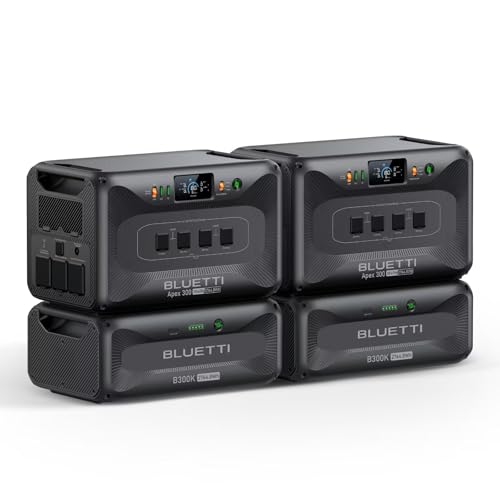
[All-Scenario Power] - Apex 300 (2764.8Wh, 3840W) keeps homes lit, RVs rolling & off-grid sites running. Parallel 2-3 units (5.5-8.3kWh), expand to 58kWh with B300K. Never powerless.

[All-Scenario Power] - Apex 300 (2764.8Wh, 3840W) keeps homes lit, RVs rolling & off-grid sites running. Parallel 2-3 units (5.5-8.3kWh), expand to 58kWh with B300K. Never powerless.
Home readiness
- Install a Level 2 wallbox with a 240 V outlet.
- Use a smart charger that can schedule off‑peak charging.
- Check wiring and circuit capacity before installation.
Recommended Products

⚡【 HIGH POWER - 80 AMP - UP TO 75 MILES OF RANGE PER HOUR CHARGING 】— Up to 20 times faster than a standard 110V charger, providing up to 75 miles of range with every hour of charge, delivering up to 19.2 kWh. The Primecom 80Amp EV Charger offers adjustable amperage ranging from: 80A, 50A, 48A, 40A, 32A, 30A, 28A, 24A.
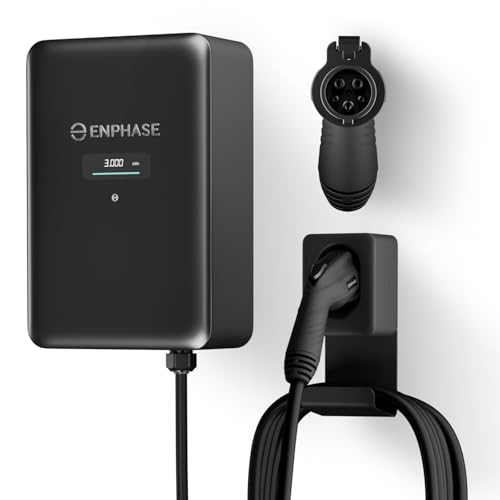
9× FASTER CHARGING: Get faster, smarter EV charging up to 11.5 kW (up to 46 miles/hour). Perfect for overnight charging or quick top-ups.

INSTALL WITH CONFIDENCE: The Enphase HCS-50 EV Charger, formerly known as ClipperCreek, delivers award-winning durability and reliability. Installation is quick and straightforward—connect it to a dedicated 50 Amp circuit by any licensed electrician.
Workplace upgrades
- Add at least two fast‑charging ports in the employee lot.
- Choose chargers that support V2G for grid support.
- Provide signage for reserved EV spots.
Recommended Products

Earn Revenue with Every Charge: Set custom pricing and idle fees. Monthly payouts and usage reports included.

AI-POWERED SMART CHARGING & APP CONTROL – This ev charger level 2 uses Autel’s AI-integrated smart app to schedule charging around time-of-use utility rates, helping lower your monthly bill while boosting station utilization. Start or stop sessions remotely, adjust current from low to high amps, view real-time energy data, and get alerts if anything looks off.

Grizzl-E Ultimate with 25ft Cable is the 80A 19.2kW, Wi-Fi-connected EV Charger with J1772 or NACS charging connector. Made in Canada with a heavy-duty UL Type 4 Indoor/Outdoor Rated metal enclosure to withstand any indoor or outdoor condition
General steps
- Keep chargers clean and dry.
- Test the system quarterly.
- Register each charger with a network app for monitoring.
Frankly, these steps keep your car happy and the grid steady. Try this: set a reminder to check the charger every three months so you catch any issues early.
You’ll notice fewer hiccups and smoother mornings when you plug in. Ready to make the switch? Let’s get those chargers humming.
Frequently Asked Questions
Will Will I‑ Charge at a Fast‑Charging Port During Peak Hour?
We’ll likely find a spot, but expect higher peak pricing and follow charger etiquette—plug in promptly, avoid hogging, and move when you’re 80 % charged, especially during busy hours.
Do Ultra‑Fast Chargers Support All EV Models Currently on the Market?
We’ll tell you that ultra‑fast chargers don’t universally support every EV model today; connector compatibility varies, and manufacturers rely on advanced thermal management to handle the high power without compromising battery health.
What Impact Does V2G Have on My Home Electricity Bill?
We’ll see your bill shrink when V2G lets your car sell excess power, like a rooftop garden sharing surplus tomatoes. Revenue sharing and tariff optimization can cut household electricity costs by up to fifteen percent.
How Reliable Are Fast‑Charging Stations in Rural “Charging Deserts”?
We’ve found charger availability in rural “charging deserts” is spotty, and maintenance frequency often lags, so you’ll likely encounter longer waits or occasional outages when you need a fast charge.
Will My Ev’s Battery Health Be Affected by Frequent 350 kW+ Charging?
We’ll tell you that frequent 350 kW+ charging can accelerate battery degradation if thermal management isn’t ideal, but modern systems mitigate heat, so impacts are modest when you follow manufacturer guidelines.