As an Amazon Associate, we earn from qualifying purchases. Some links on this site are affiliate links at no extra cost to you. Our recommendations are based on thorough research and editorial judgment.


Why EV Charging Accessories Are Evolving So Quickly

We see EV charging accessories evolving fast because new standards, higher power, and smarter safety rules are reshaping the market. 1. NACS will be the 2026 standard, so manufacturers are swapping CCS parts for NACS‑only units. 2. 800‑volt, 600 kW chargers need reinforced cables, active cooling, and robust connectors. 3. Dual‑port chargers let CCS and NACS vehicles share one station, reducing hardware. 4. V2G cables enable bidirectional flow, turning cars into grid storage. 5. AI‑driven hubs give predictive routing and tactile feedback, cutting wear. 6. Weather‑proof, IP65‑rated housings protect outdoor sites. 7. New UL/IEC rules demand tighter grounding and torque checks. 8. Remote firmware updates keep accessories current. If you keep exploring, you’ll discover more details.
Key Takeaways
- Rapid standardization to NACS creates demand for compatible chargers, adapters, and dual‑port units, driving fast product cycles.
- High‑power 800 V, 600 kW chargers require advanced thermal management and safety features, prompting continual hardware innovation.
- V2G‑enabled cables and bidirectional charging open new grid‑service revenue streams, accelerating accessory development.
- AI‑powered cable management and smart hubs improve user experience and reduce wear, spurring quick adoption of intelligent accessories.
- Regulatory pressure for UL/IEC compliance, IP65 sealing, and robust grounding forces manufacturers to iterate designs rapidly.
Why NACS Becomes the 2026 EV Charging Standard
You may be interested



Ever tried to juggle different EV chargers at home and felt the hassle? You’re not alone. The plug world is finally zeroing in on one standard, and NACS is shaping up to be the go‑to for 2026.
Why NACS wins
- One plug fits all North American EVs.
- No more guessing which connector works.
- Fewer parts for manufacturers to keep track of.
What this means for you
- Pick stations that sport NACS ports.
- Swap out old chargers for NACS‑only models when you can.
- Skip the adapters; they’re fading fast.
Implementation steps
- Check that your charger’s spec sheet lists NACS.
- Plan a phased removal of any CCS adapters you still have.
- Align your buying policy with a NACS‑only approach.
Frankly, if you start now you’ll avoid a scramble later. Worth knowing: the big names—Ford, GM, Hyundai—are already pledging to roll out NACS on their 2026 models, so the shift will pick up speed.
How 800‑Volt, 600 kW Fast Chargers Redefine EV Accessories
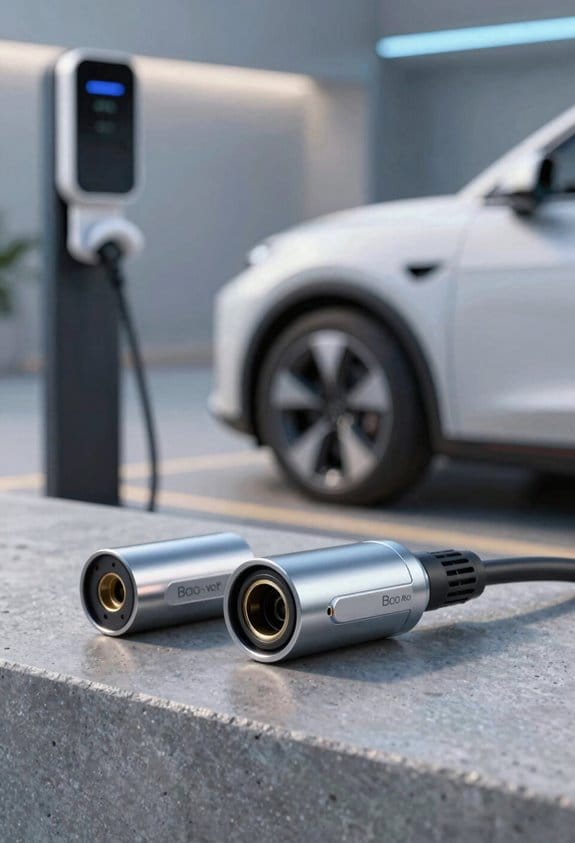
Ever wonder why your EV charger feels like a dinosaur compared to the new 800‑volt, 600 kW stations popping up? You’re not alone. The jump in power means the whole setup—connectors, cooling, cables, and safety gear—needs a fresh look.
High voltage connectors****
- Use copper‑rich plugs rated for 800 V.
- Choose modular designs that can fit multiple vehicle brands.
Thermal management systems
- Add active cooling to keep connector temperature low.
- Integrate sensors that trigger fans or liquid loops.
Cable handling
- Use reinforced, heat‑resistant jackets.
- Provide quick‑release reels for easy storage.
Safety features
- Install ground‑fault interrupters.
- Include visual alerts for overheating.
Frankly, the biggest hassle is dealing with heat. When the charger pushes 600 kW, the connectors can get hot fast, and that’s why active cooling isn’t optional. You’ll want a system that automatically turns on fans or a liquid loop the moment the temperature spikes. It saves you from downtime and keeps the whole station safe.
Worth knowing: the right cable jacket can make a world of difference. A reinforced, heat‑resistant sheath not only survives the high current but also makes it easier to reel the cable in and out without kinking. Look for quick‑release reels that lock in place, so you don’t waste time untangling a mess after each charge.
If you’re setting up a new station, start by swapping out the old connectors for copper‑rich, 800‑V‑rated plugs. The modular design means you won’t have to buy a new set every time a different EV brand rolls out. It’s a small change that pays off in flexibility.
Safety isn’t just a checkbox; it’s a habit. Ground‑fault interrupters catch stray currents before they become a fire risk, and visual alerts give you a heads‑up when something’s heating too much. Those simple additions keep your station reliable and your customers happy.
With these upgrades, you’ll find the charging experience smoother and the station ready for the fastest EVs on the road. Ready to give your chargers the boost they deserve?
Dual‑Port Chargers Bridge CCS and NACS for Accessories
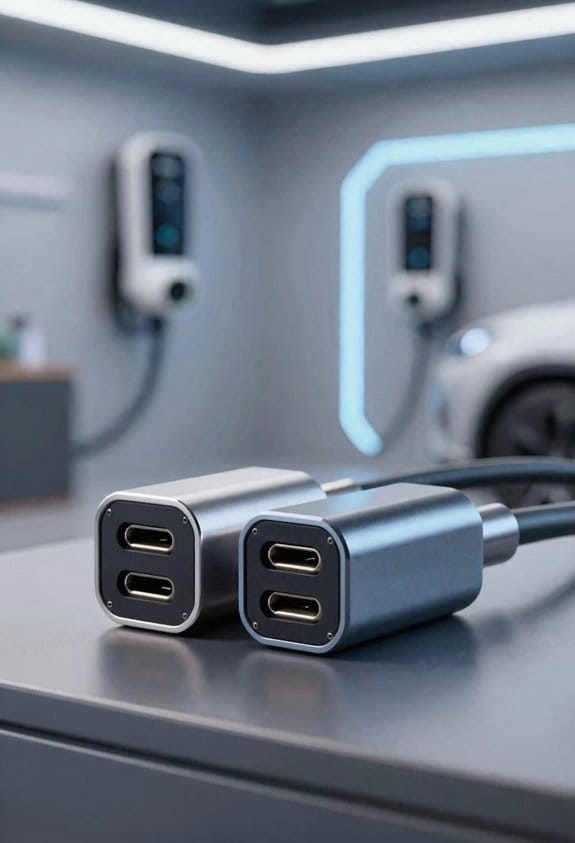
Ever had to juggle two chargers just because your fleet has both CCS and NACS plugs? It’s a hassle you can avoid with a dual‑port charger. Pick one that feels solid, has clear labels, and lets you plug in any EV without hunting for adapters.
Adapter storage – A built‑in compartment keeps spare adapters tidy and protected. You won’t lose them in a drawer or under a desk.
Mounting brackets – Adjustable brackets work for walls, poles, or kiosks. They keep the unit steady and make installation a breeze.
- Connect the CCS side first, then the NACS side when you need it.
- Slip any extra adapters into the storage slot.
- Secure the unit with the brackets so it doesn’t wobble.
These little details cut down clutter and speed up setup. They also keep your site ready for the future as more manufacturers move toward NACS.
Worth knowing: Choose a model with a sturdy frame and clear labeling. It saves you time and prevents mix‑ups when you’re busy charging multiple vehicles.
Try this: When you mount the charger, use adjustable brackets that fit both wall and pole setups. That way you can move the unit later without a full remodel.
Frankly, a dual‑port charger is the simplest way to keep your charging station flexible and tidy. Have you tried one yet?
Recommended Products


UNIVERSAL COMPATIBILITY: Seamlessly transitions between NACS and J1772 connectors, accommodating all major North American EVs including Tesla Vehicles
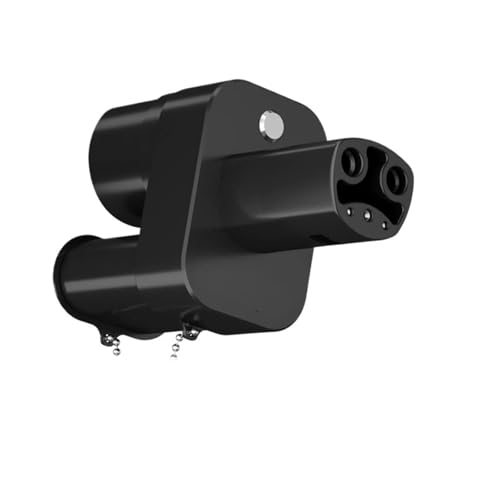
Fast Charging:Equipped with efficient charging technology, it can significantly shorten the charging time of electric vehicles, making your travel more convenient.
V2G‑Enabled Cables Enable Bidirectional Grid Power Transfer
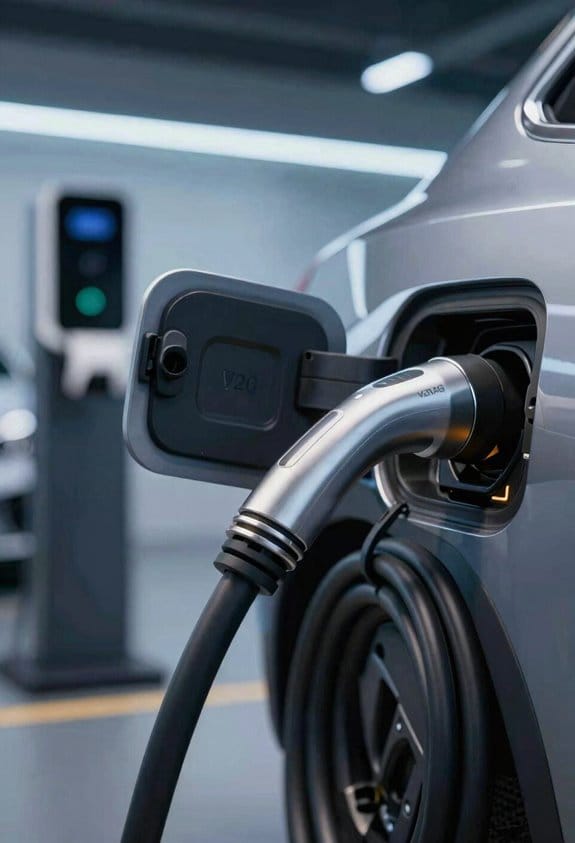
Ever wonder why your electric car sometimes feels like a tiny power plant? The trick is in the cables that can both charge your car and feed power back into the grid. When you hook up a V2G‑enabled charger, you’re not just filling up a battery—you’re adding a flexible energy source that can smooth out spikes and store surplus solar.
Bidirectional cables
- Carry electricity both ways.
- Support fast charge and discharge.
How they help
- Store excess solar energy.
- Reduce peak demand charges.
- Provide emergency backup power.
Installation tips
- Use certified connectors.
- Follow local wiring codes.
- Test for proper communication with the station.
Frankly, you’ll notice the difference as soon as your home’s electric bill drops a few dollars each month. The extra flexibility lets you pull power when rates are high and push it back when the grid needs a boost. It’s a simple way to earn a little extra from the same hardware you already own.
Worth knowing: you don’t need a massive overhaul to get started. Just swap in the right cable, double‑check the wiring, and let the charger handle the rest. The system talks to your car and the grid automatically, so you can sit back and watch the savings grow.
Give it a try on your next charger upgrade. You’ll end up with a more resilient setup and maybe even a new stream of income from grid services. Ready to make your charging station work smarter?
AI‑Powered Cable Management for EV Charging Accessories
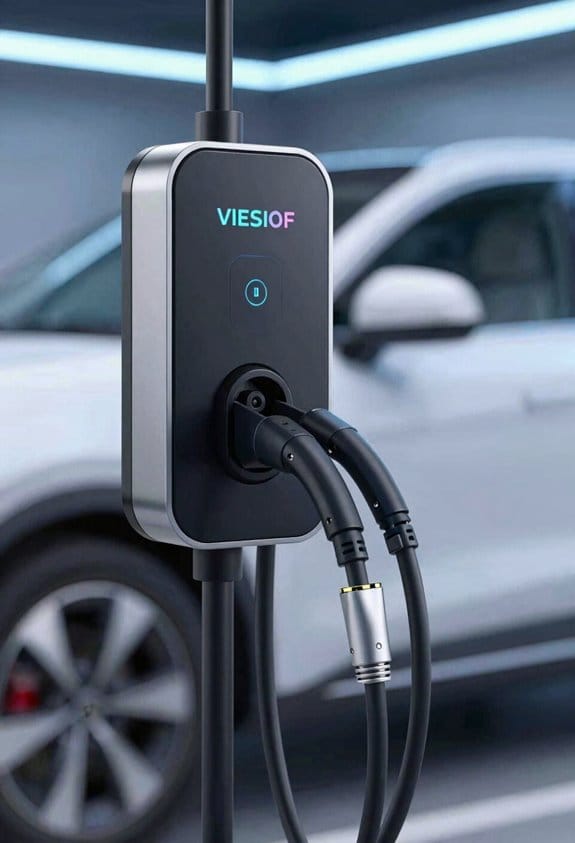
Ever had a cable that just won’t sit right, leaving you fumbling in the dark? I’ve been there, and the new AI‑powered cable for EV chargers actually makes that a thing of the past.
Recommended Products

ELIMINATE TRIPPING HAZARDS: EV Hover's 6.25' boom arm lifts your Level 2 charging cable completely off the garage floor, protecting your $500+ cable investment and eliminating the #1 cause of charging area injuries. Engineered for large EVs and all sized EVs alike, the extended reach handles larger EVs like the Ford F-150 Lightning, Cybertruck, Rivian, and more.
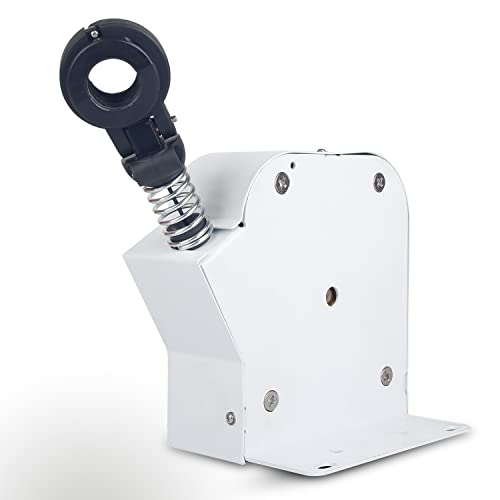

► SAFETY - A charging cable left on the ground poses significant risks to the user, their family, and pedestrians, leading to trips, falls, and, even more concerning, the risk of electrocution due to cable damage (from heavy or sharp objects, pets, rodents and wear over time, and especially contact with water or rain). The Barkan wall arm protects against these hazards by lifting the cable above head height, concealing most of it inside the mount and shielding it from potential damage.
How to set it up
- Install the AI hub on the charger.
- Connect the smart cable to the hub.
- Enable predictive routing in the app.
- Test tactile feedback by pulling the cable gently.
Benefits
- Faster plug‑in.
- Reduced wear on connectors.
- Clear, physical confirmation without looking.
Frankly, the system learns where you most often plug in and nudges the cable to the sweet spot. The little vibration motor gives you a tap when everything lines up, so you don’t have to stare at the connector. It’s a simple tweak that cuts down on wear and saves you a few seconds each time you charge.
Worth knowing: the AI hub is tiny, so it fits right on most chargers without adding bulk. Once you turn on predictive routing, the app shows a tiny map of the best path, but you can ignore it if you prefer just the vibration cue. The whole setup takes under ten minutes, and you’ll notice the difference right away.
Try this: after you’ve installed the hub, give the cable a gentle pull to feel the buzz. If it feels off, double‑check that the hub is snug on the charger and that the app’s routing feature is active. A quick test now means fewer headaches later.
You’ll end up with a smoother plug‑in experience and a cable that lasts longer. Ready to give your charger a smarter, quieter partner?
Wireless Power Transfer Accessories for Urban Fast‑Charging Hubs
Ever tried to park your electric car at a busy city lot and hate juggling cords? You’re not alone. The new wireless power transfer (WPT) gear is turning those cramped decks into hassle‑free charging zones.
Urban resonators sit snugly under each spot, humming a magnetic field that meets the car’s receiver. Up on the roof, a coupler directs power straight down, so you just pull in and power up. The whole setup runs from a central control unit that keeps the field frequency in sync.
- Install a resonator at every parking space.
- Pair each resonator with a rooftop coupler.
- Use the control unit to sync the field frequency.
These steps cut the cable mess and speed up boarding. You park, you charge—no fuss. Maintenance crews can check the couplers from ground level, which saves time and keeps the hub humming.
Frankly, the system scales nicely in dense city centers. Regular checks on resonator alignment and a quick firmware update for the control unit keep uptime high and downtime low. Worth knowing: keeping the firmware fresh is as easy as a weekly tap on your phone.
New Safety Rules for EV‑Charging Accessories
Ever tried to set up a wireless charger and found the mess of cords and warnings a bit overwhelming? You’re not alone—getting the gear right can feel like a puzzle, especially with new safety rules rolling out.
Regulatory testing
All accessories have to clear UL and IEC tests before they hit the shelves. Those tests check temperature rise, short‑circuit protection, and leakage current, so you know the charger won’t overheat or spark.
Connector insulation
Make sure the insulation is rated for at least 600 V. Look for materials that stand up to wear, oil, and UV exposure; that way the connector stays solid even if you move the charger around a lot.
Labeling and documentation
Every product should carry clear safety warnings. You’ll also get a compliance certificate with each batch—keep it handy in you ever need to prove the charger meets the standards.
Installation checks
Before you plug anything in, verify that the grounding is solid and the cables are routed properly. Using torque‑controlled tools for tightening the connector helps avoid loose connections that could cause problems.
Fair warning: Skipping any of these steps can put both you and your equipment at risk. Worth knowing: a quick visual inspection of the connector insulation can catch wear before it becomes a hazard.
Got a charger that’s already installed? Double‑check the grounding and make sure the cables aren’t kinked. If you spot anything off, it’s better to fix it now than deal with a fire later.
Durable, Weather‑Proof Designs Improve Plug‑and‑Charge UX
Ever had a charger that quits on you just as a storm rolls in? I’ve been there, and it’s a real pain when you need power the most. The good news is that newer models are built to survive the elements, so you can keep your devices juiced up without constantly checking for damage.
When you pick a charger, look for sealed connectors. Those little rubber gaskets keep moisture out, which means rain, snow, or even a splash from a puddle won’t short out the contacts. A rugged housing is another must‑have; it can take a drop or a bump without cracking, and that extra protection pays off when you’re working outdoors.
Worth knowing: the IP rating tells you how well the unit stands up to dust and water. Aim for at least IP65 if you expect rain or dusty conditions. A quick test is to fit the lock‑fit snugly before you mount anything—if it feels loose, it’s probably not going to hold up under wind or vibration.
- Choose accessories with sealed connectors.
- Pick units that have rugged housings.
- Verify the IP rating meets outdoor standards.
- Test the lock‑fit before installation.
I also keep an eye on the manufacturer’s warranty for any weather‑related claims. If you can, mount the charger under a shelter or overhang; a little extra cover can make a big difference on a rainy day. By taking these simple steps, you’ll cut down on downtime and keep the charging experience smooth, even when the weather turns nasty.
Fair warning: cheap, flimsy chargers won’t last long outside, so don’t skimp on quality. Got any favorite weather‑proof chargers you swear by? Share them below!
Market Forecast for EV Charging Accessories Through 2030
Ever wonder why your home charger sometimes hiccups when a storm rolls in? I’ve been there—watching the lights flicker and the charger stall right when you need it most. The good news is that the EV accessory market is set to hit $1.3 trillion by 2030, and you can stay ahead of the curve by making a few smart moves.
Supply chain – Build regional hubs, use modular parts, and partner with multiple vendors.
Cost optimization – Leverage bulk buying, automate assembly, and apply lean manufacturing.
Home adoption – Offer plug‑and‑play kits, simplify installation, and provide clear warranties.
Consumer behavior – Track usage patterns, update firmware remotely, and guarantee easy upgrades.
Frankly, the key to keeping your charger humming through any weather is to think about where your parts come from. If you rely on a single source, a hiccup in that supply line can shut you down for weeks. Setting up regional hubs means you can pull from nearby factories when one gets delayed, and using modular parts lets you swap out a faulty piece without replacing the whole unit.
Cost is another big piece of the puzzle. Buying in bulk cuts the price per unit, but you also want to automate the assembly line so you’re not paying extra for hand labor. Lean manufacturing helps you trim waste, which in turn lowers the price tag for your customers and speeds up adoption.
Home adoption is where the real growth happens. People love a plug‑and‑play solution that doesn’t require a handyman. By bundling everything they need—cable, mounting bracket, and a clear warranty—you make the decision easy. And when the warranty is straightforward, buyers feel more confident about investing.
Consumer behavior is shifting fast. With connected chargers, you can see how often people charge, when they charge, and even push firmware updates over the air. That data lets you tweak the software to improve efficiency and add new features without a physical visit.
Worth knowing: keep an eye on regional regulations and incentives. Some states offer rebates for installing home chargers, and those can tip the scales for a buyer who’s on the fence.
Stay flexible, keep your costs low, and make installation a breeze. That’s how you’ll ride the wave of growth and keep your chargers ready for whatever the sky throws at them. Ready to give your setup a boost?
Frequently Asked Questions
How Do Emerging EV Accessories Affect Vehicle Warranty Coverage?
We’ve found that emerging EV accessories can trigger warranty implications, especially if they’re not approved by the maker; manufacturer disclaimers often state that using non‑certified gear may void coverage.
Will New Accessories Increase the Total Cost of Ownership for EV Owners?
We think the new accessories will raise ownership costs a bit, like adding a turbocharger to a sedan. Installation costs climb, and maintenance frequency may increase, but efficiency gains often offset those expenses.
What Recycling Methods Exist for Obsolete EV Charging Accessories?
We recycle obsolete chargers by shredding casings, extracting metals, and sending batteries to specialized battery recycling facilities; we also offer connector refurbishment programs that replace worn plugs while reusing housing components.
How Do Accessories Influence the Resale Value of Electric Vehicles?
We’ll tell you, accessories boost resale by signaling lower battery depreciation and stronger market perception; they reassure buyers that the EV stays current, which, prices and confidence alike.
Are There Privacy Concerns With Ai‑Powered Cable Management Data?
We’re concerned about user privacy, so we enforce data minimization in AI‑powered cable management, collecting only essential usage metrics and anonymizing them, ensuring your charging habits stay private and secure.